Afternoons in Paris

Recipe Below

I’ve been to a few places in France, but a fast train from Luxembourg to Paris at times is hard to resist. It’s about a 2½ hour ride and the scenery out the window is lovely.

I’ve been to Paris several times visiting all the iconic sites and museums, Notre Dame, and so many beautiful places throughout the city. Really though, it’s true, Paris in the spring is gorgeous. Trees blooming, folks out and about, cafés and restaurants setting up their outdoor seating, and parks filled with people laying out soaking up the sun.
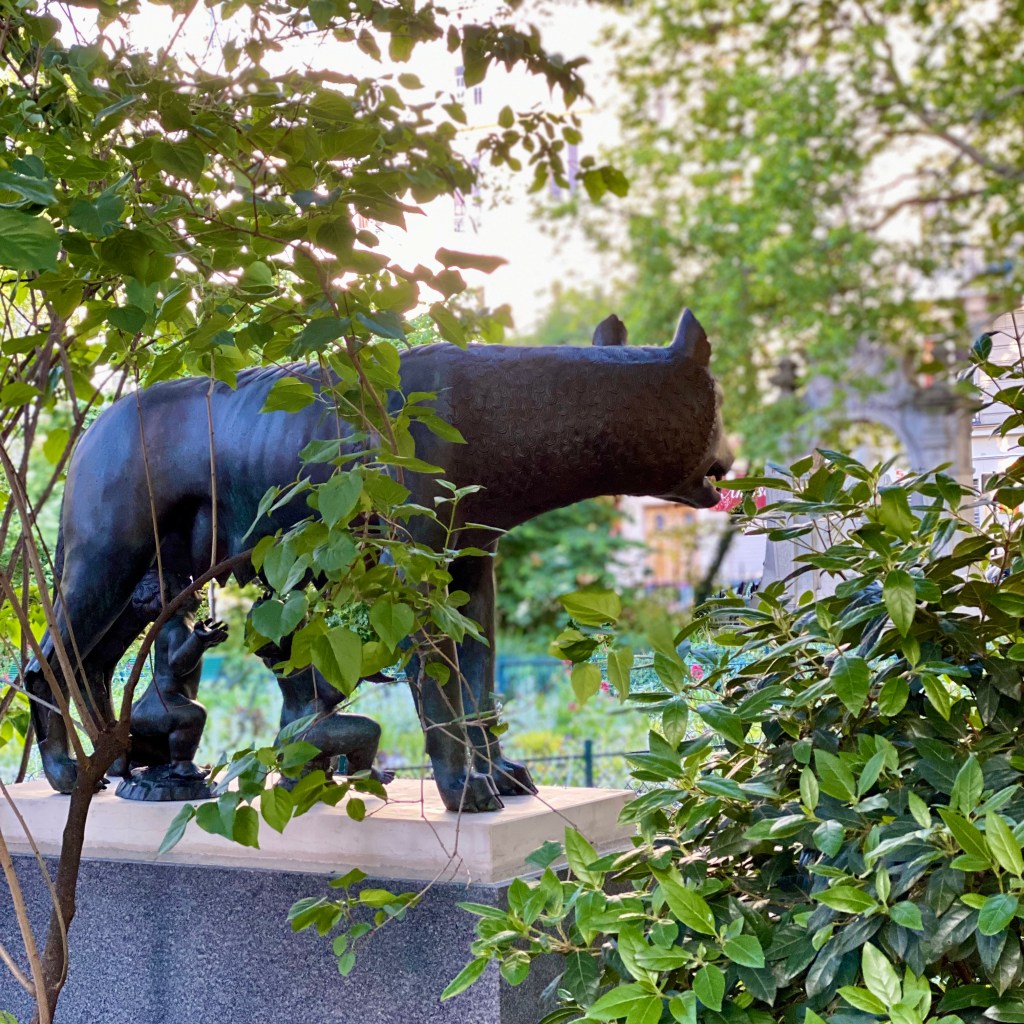

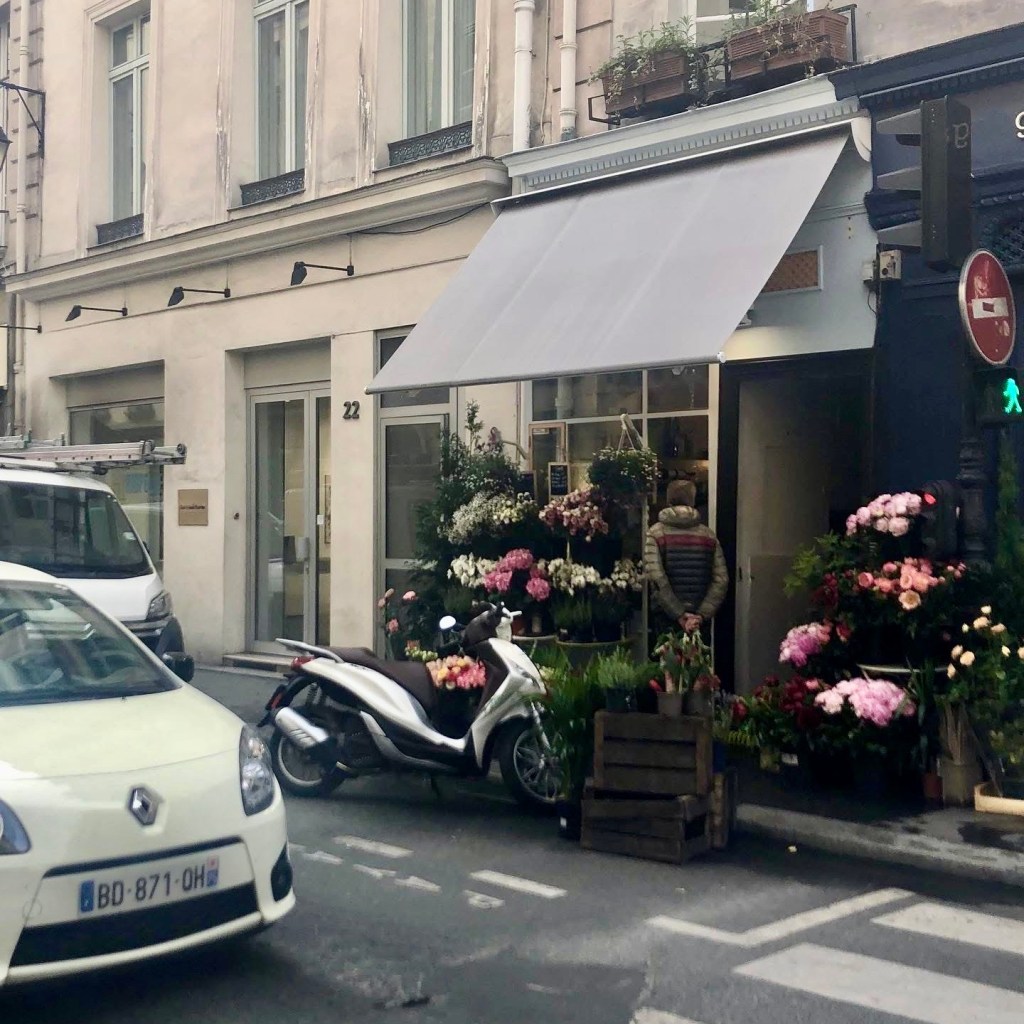
Paris is a city to walk and explore. Each district has its own vibe and you really have to take a stroll to understand and experience it. Some of my favorite moments there have happened simply by turning down a quiet street and discovering a hidden courtyard, a tiny café, beautiful gardens, or some unexpected piece of art or architecture. Heck, even a long walk along the Seine is enough to know you are someplace special.
But what I love most about Paris are the moments where you simply slow down and take it all in. Finding a spot in the Jardin du Luxembourg or Champ de Mars and watching people linger for hours in the parks, sitting in the grass or laying out on blankets soaking up the sunshine, feels very Paris to me.
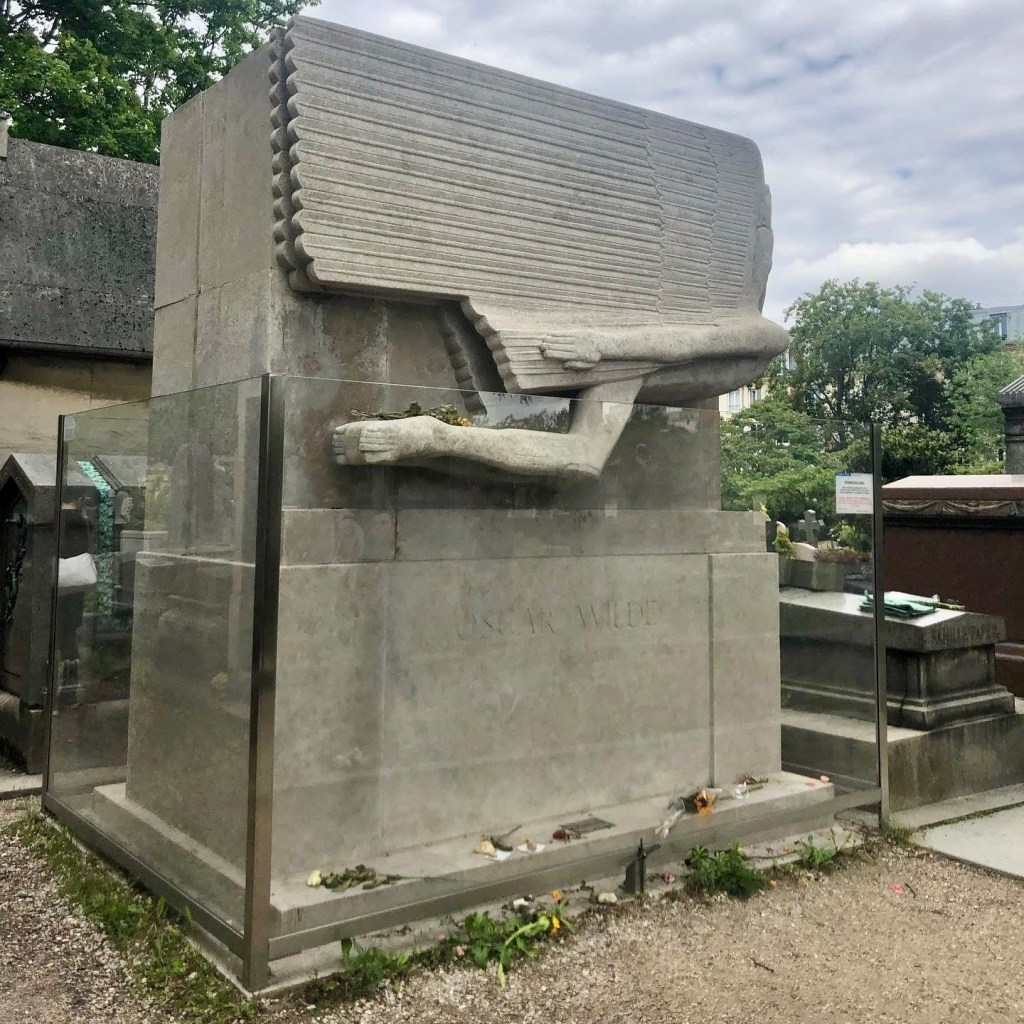
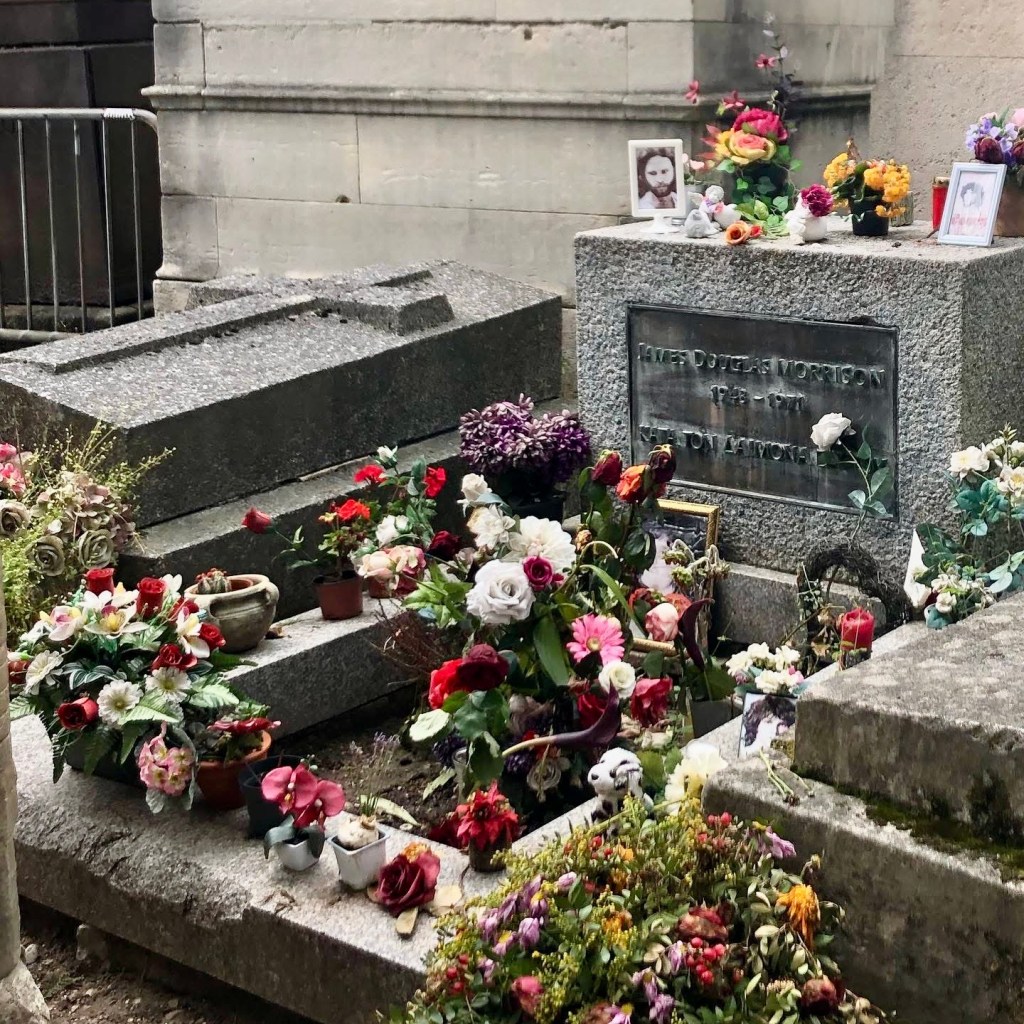
One of my favorite places in Paris is Père Lachaise Cemetery.

It may sound unusual to some people, but I find it peaceful and beautiful. Walking through the paths and seeing the resting places of artists, writers, and musicians makes you stop and think about all the lives, stories, and history that have passed through Paris.
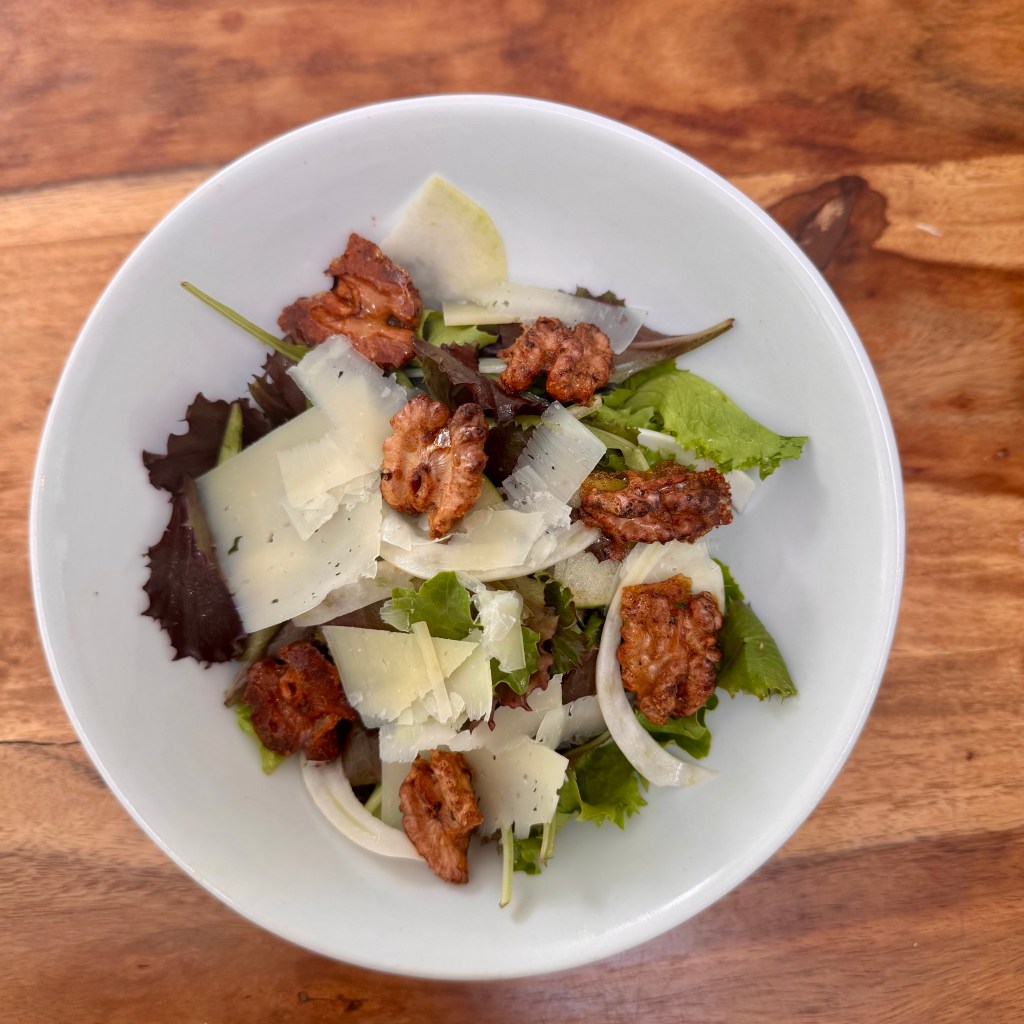
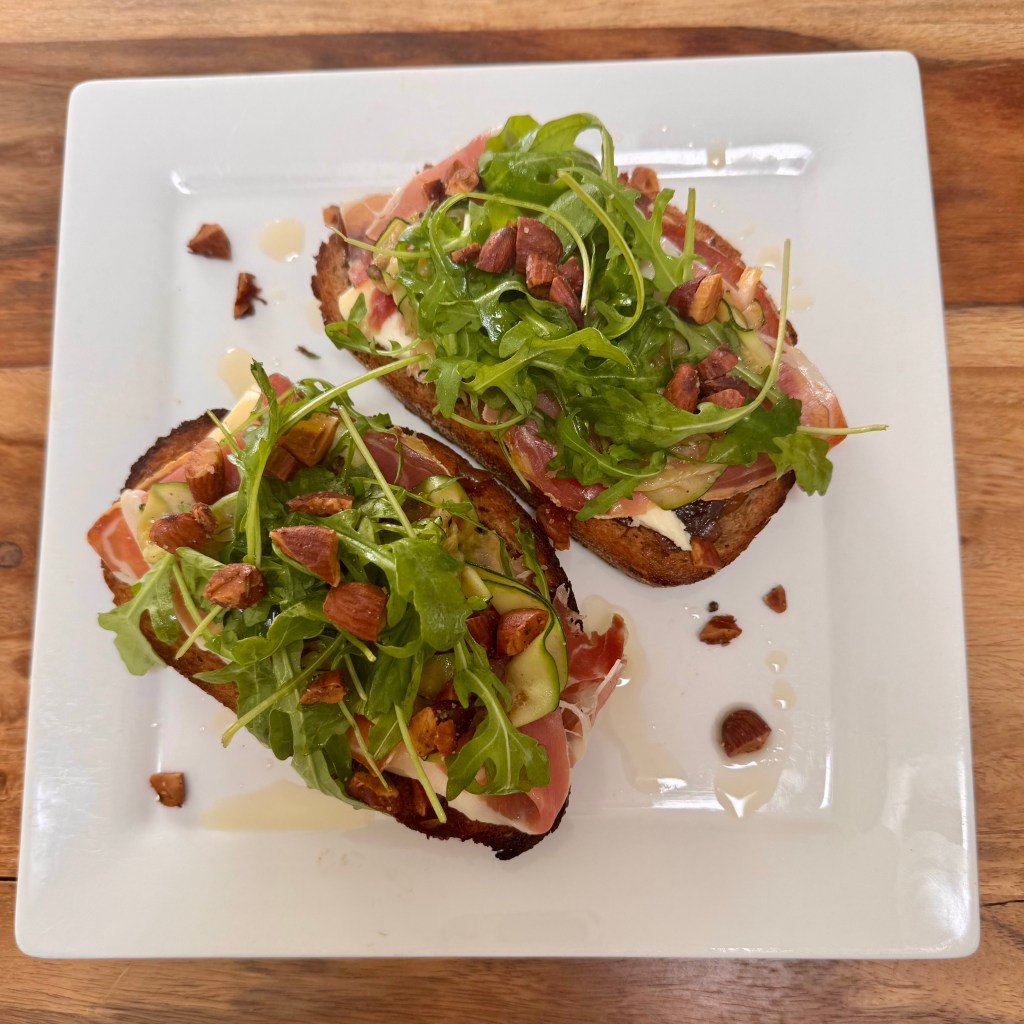
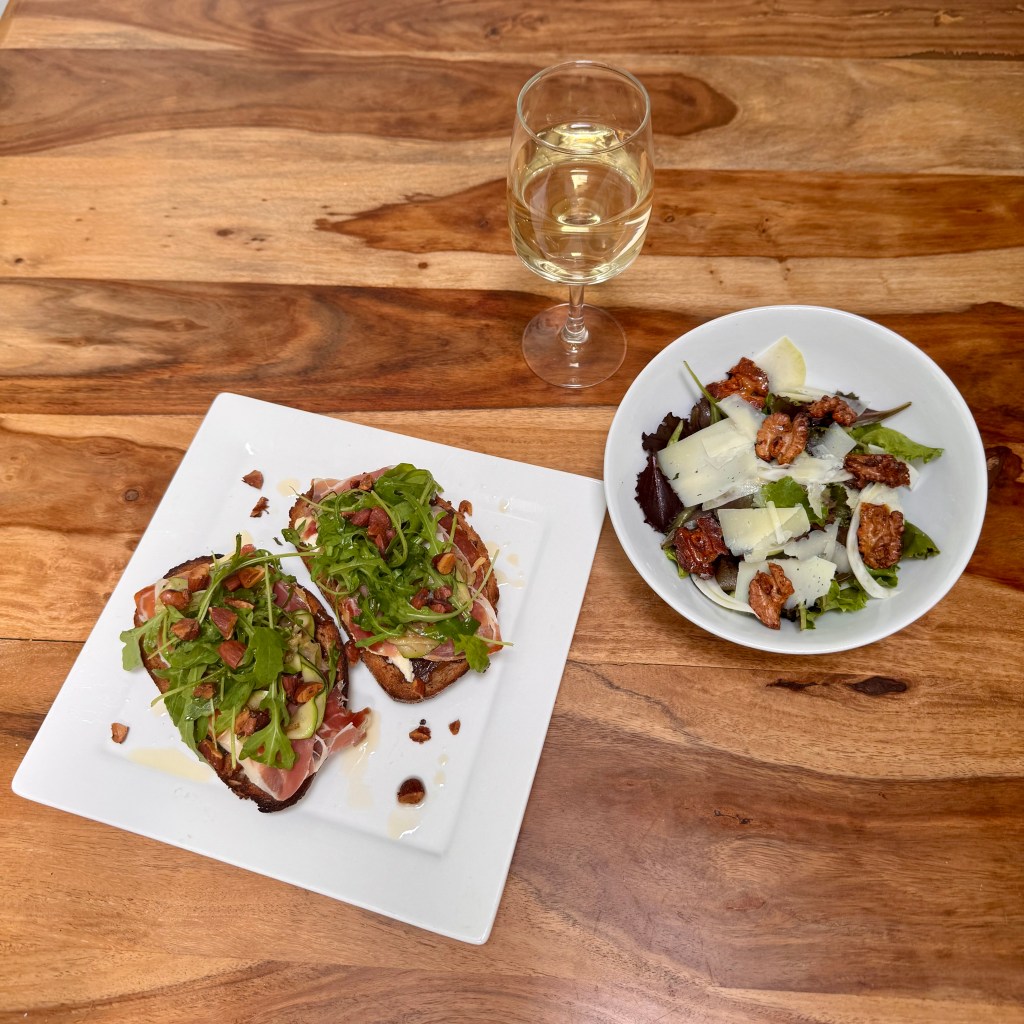
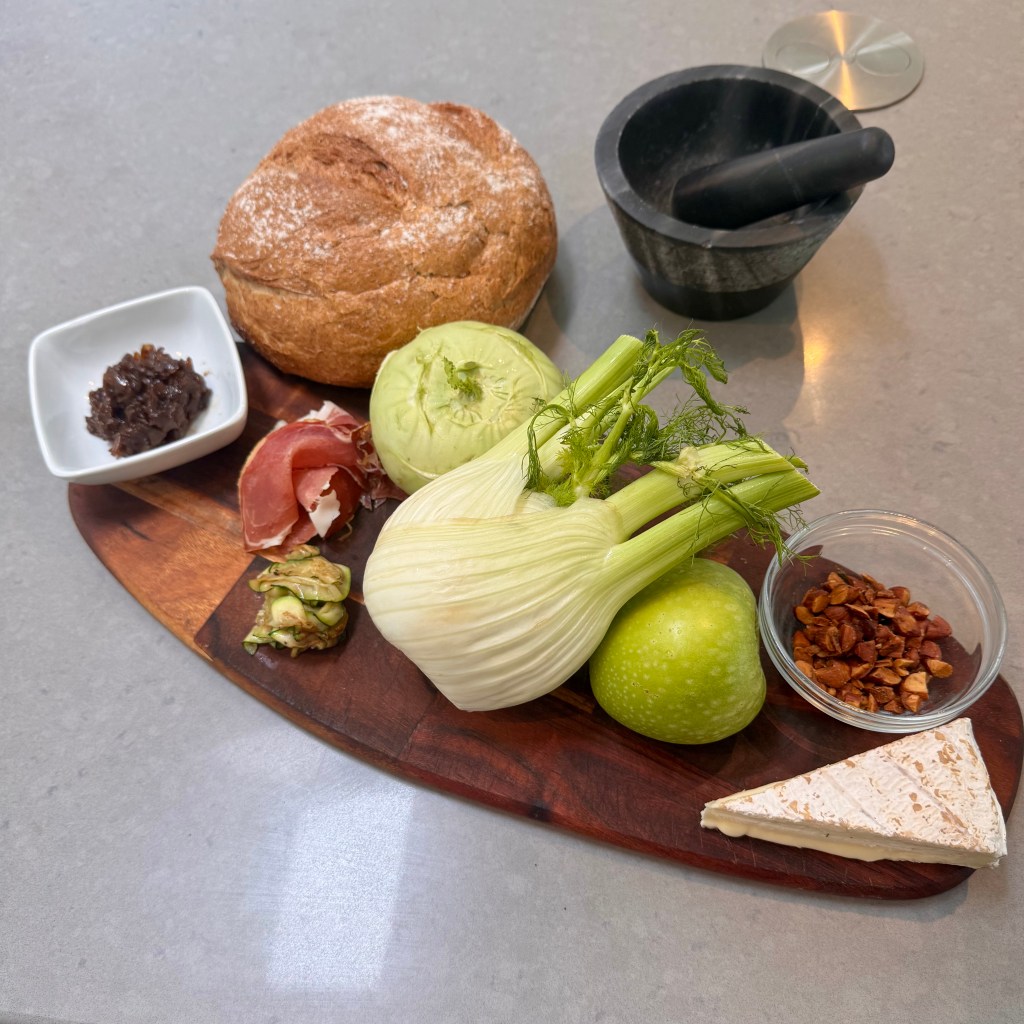
Even on a rainy day here in Luxembourg, this meal from Paris Picnic Club by Shaheen Peerbhai and Jennie Levitt has brought me right back to those afternoons in Paris. Smoked ham, brie, and onion jam tartines with a crisp apple, fennel, and kohlrabi salad felt like something you would pack up and carry to the park for a slow lunch in the sunshine.

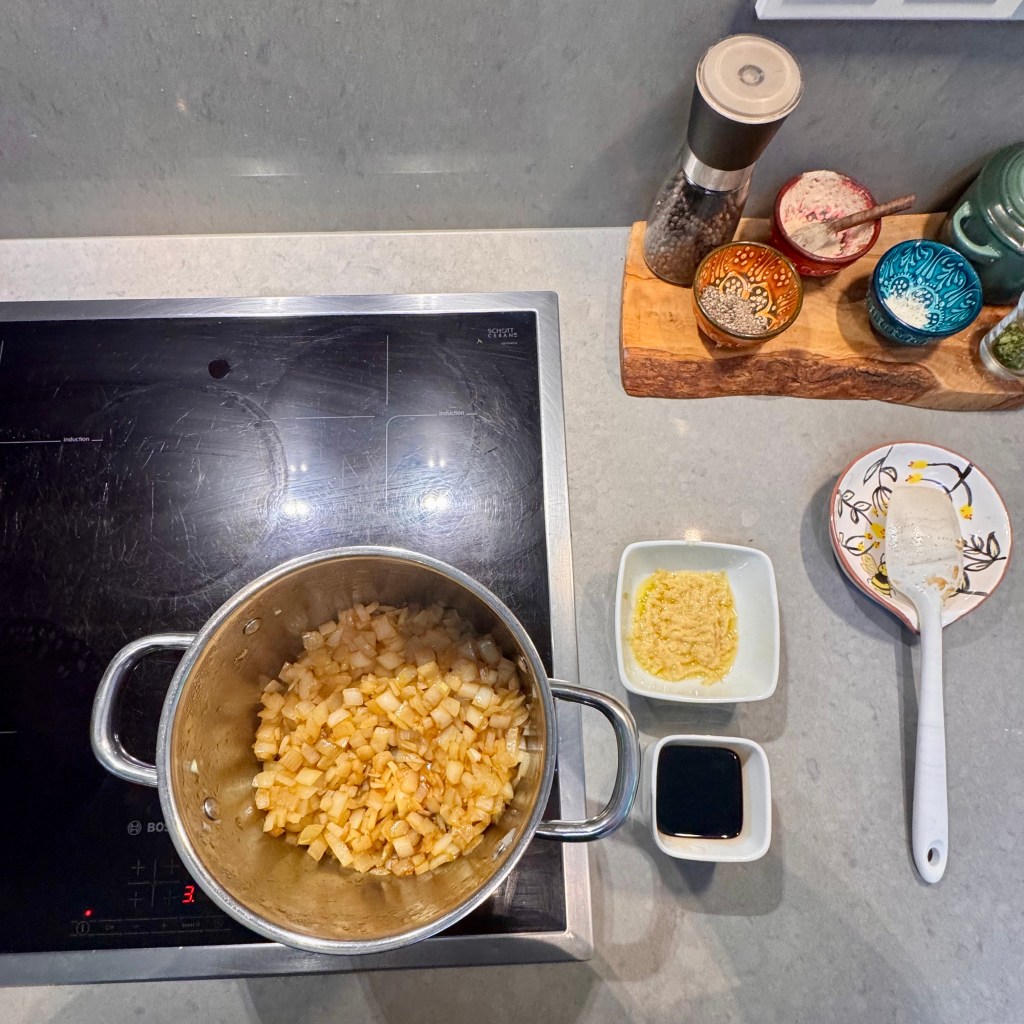
While there are several small components to prepare, most are simple and can easily be made ahead of time. The onion jam took much longer than the recipe timing suggested, but it was absolutely worth the extra time. Slow cooking the onions develops a deep caramelized flavor that really makes these tartines special. I roasted the garlic with a few thyme sprigs, which added another layer of flavor to the jam.

Kohlrabi is one of those vegetables I’ve often noticed at produce markets but had only used once before this recipe. I think many people probably are not quite sure what to do with it. Thinly sliced in this salad, it reminded me a bit of a mild radish with a slight sweetness and added such a fresh crunch to the dish.

Apple, Fennel, and Kohlrabi Salad
Serves 4

Ingredients

Salad

2 fennel bulbs
2 Granny Smith apples
1 large kohlrabi bulb
Mixed baby greens
Manchego cheese, thinly shaved
Candied walnuts

Apple Cider Vinaigrette

½ tbsp apple cider vinegar
½ tbsp Dijon mustard
¼ tsp ground toasted fennel seeds
½ tbsp honey
3 tbsp olive oil

Method

Make the apple cider vinaigrette by whisking all ingredients until emulsified.

Slice the fennel, apples, and kohlrabi as thinly as possible or use a mandoline for consistency. Toss the fennel, apples, and kohlrabi with the shaved Manchego, some candied walnuts, and the vinaigrette.

Transfer to a serving bowl and top with additional Manchego and candied walnuts.

Smoked Ham, Brie, and Onion Jam Tartines
Serves 4

Ingredients

Tartines

4 slices pain de champagne or sourdough bread, toasted
10 oz Brie, rind removed and sliced
4 slices dry cured ham such as serrano, prosciutto, or iberico
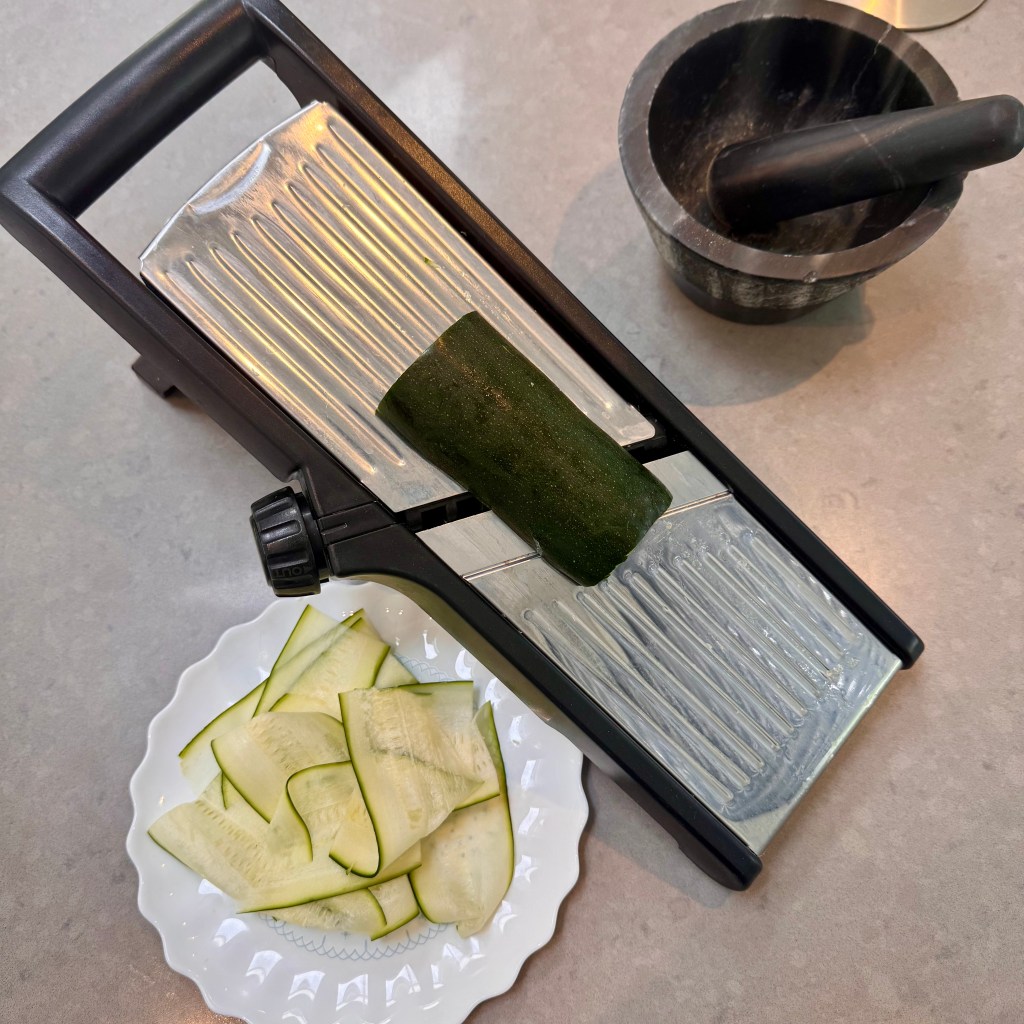
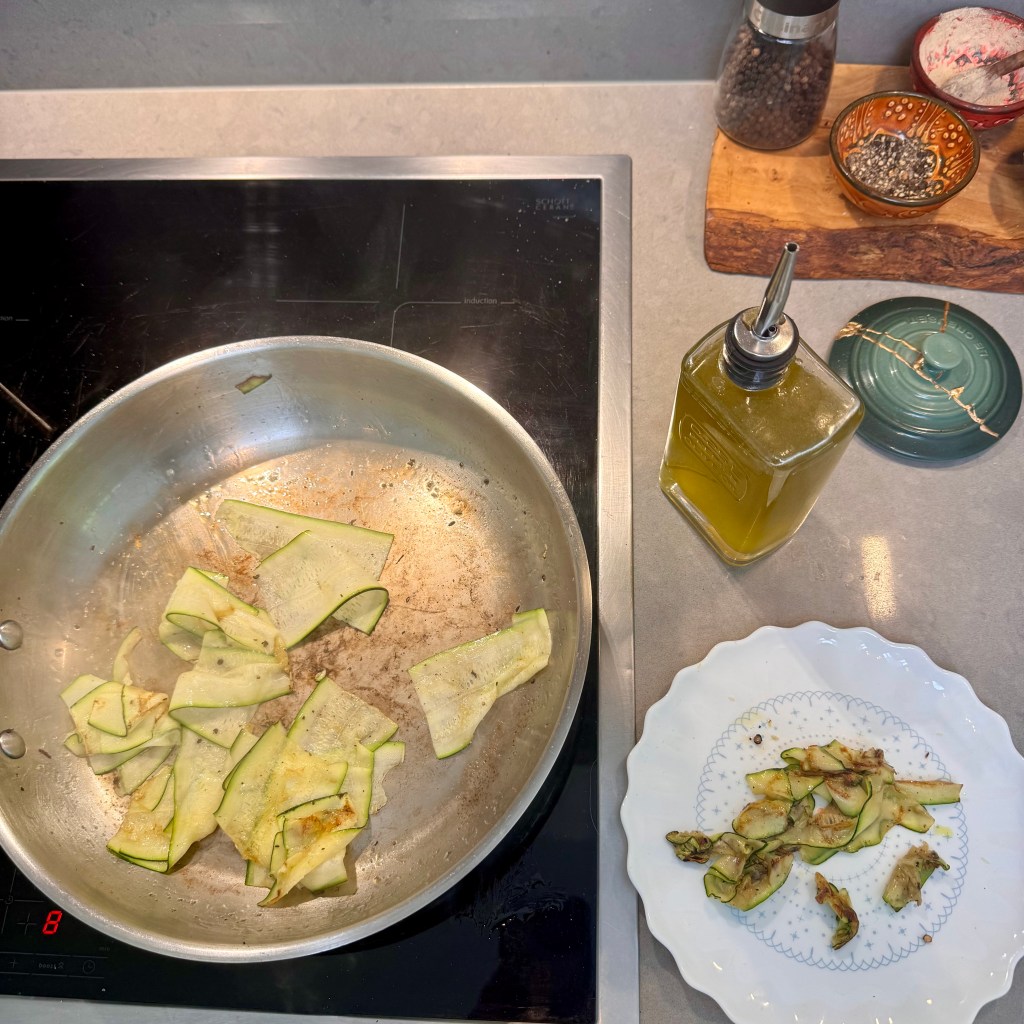
Zucchini sautéed with garlic, sliced
Butter toasted or roasted almonds, roughly chopped
Walnut and honey vinaigrette or vinaigrette of choice
Arugula

Onion Jam

15 cloves roasted garlic, roasted with thyme sprigs
2 lbs onions, large dice or thinly sliced
4 tbsp dark brown sugar
4 tbsp balsamic vinegar
Olive oil
Salt to taste

Method

Make the onion jam first. Heat olive oil over medium heat, add the onions, and stir. Reduce the heat to low, cover, and sweat the onions until translucent.

Stir in the brown sugar and continue to cook over low heat until the moisture reduces. If the onions begin drying out too quickly, add a couple tablespoons of water as needed. The onions should begin to break down but not become mushy.

After about 20 minutes, cover the pan again and continue cooking until the onions are deeply caramelized and dark in color. Stir in the balsamic vinegar, mashed roasted garlic, and salt to taste. Cook uncovered until the liquid has evaporated.

Cool to room temperature before using or refrigerate for later use. The onion jam makes about 2 cups and keeps well refrigerated for up to one month. It is wonderful as a condiment for sandwiches, burgers, or cheese boards.

Spread onion jam onto the toasted bread slices. Top with Brie, ham, and zucchini. Toss the arugula lightly with vinaigrette and place some onto each tartine. Finish with chopped almonds and serve.

Simple food and slowing down for a while. That’s part of the magic of Paris.
Madrid: Ibérico Pork and an Everyday Dish from Spanish at Home

Recipe below.

Madrid, 18 December 2023

After cooking a lighter dish from Spanish at Home that brought me back to the coast near Barcelona, I found myself flipping through the book again, looking for something a little more grounded. So I chose a pork dish.

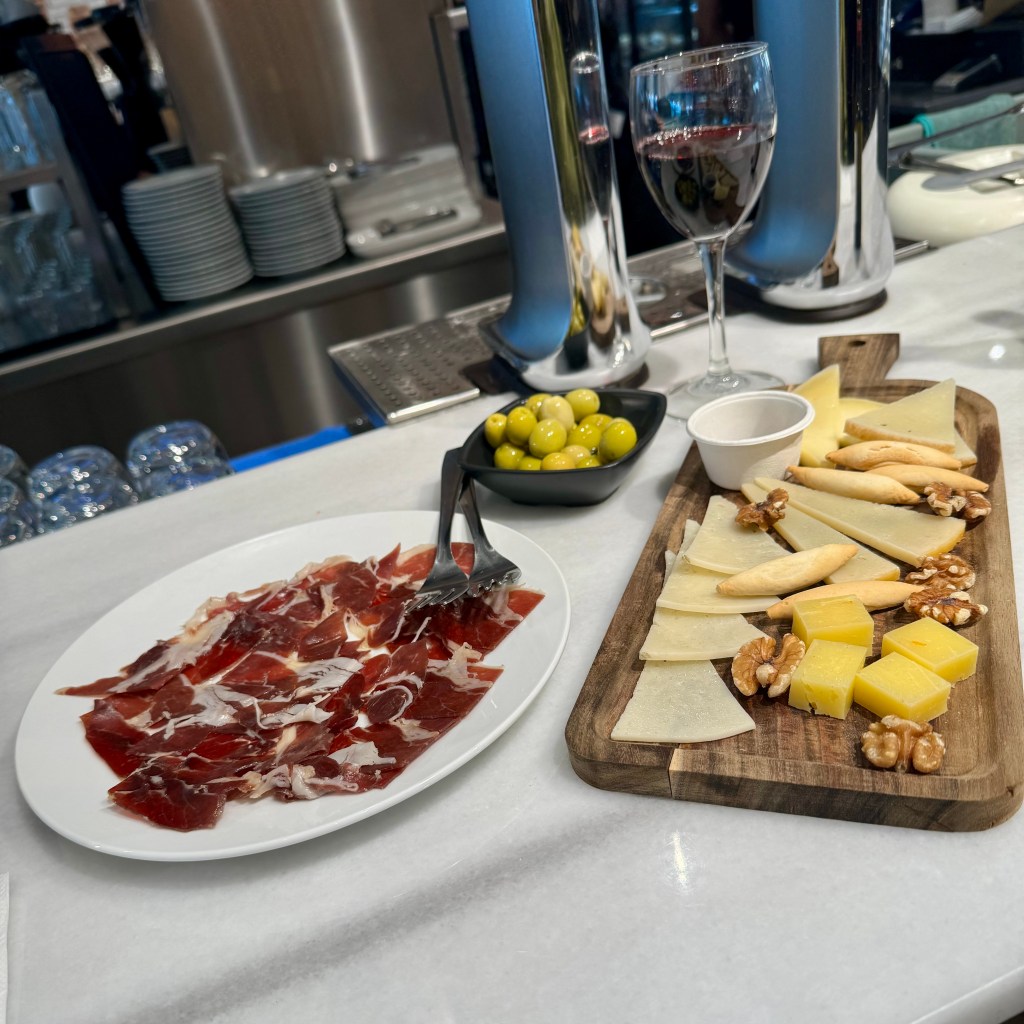
Ibérico Ham, Olives and Cheese Board

Pork is everywhere in Spain. You notice it almost immediately. It’s hanging in market stalls, layered into sandwiches, served in small plates, and worked into so many everyday meals. And then there’s Ibérico pork, which feels a little different. A little richer, deeper, and honestly hard to forget once you’ve had it.

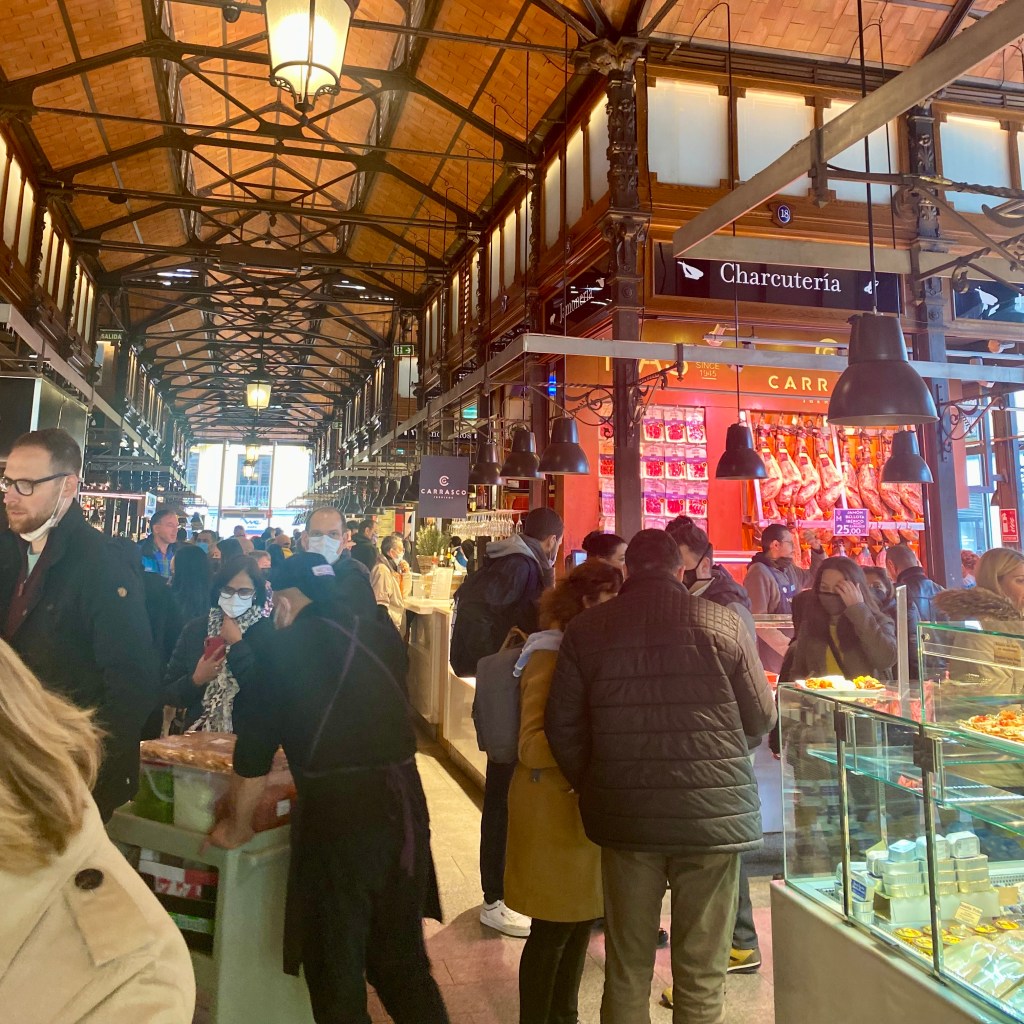
Mercado de San Miguel
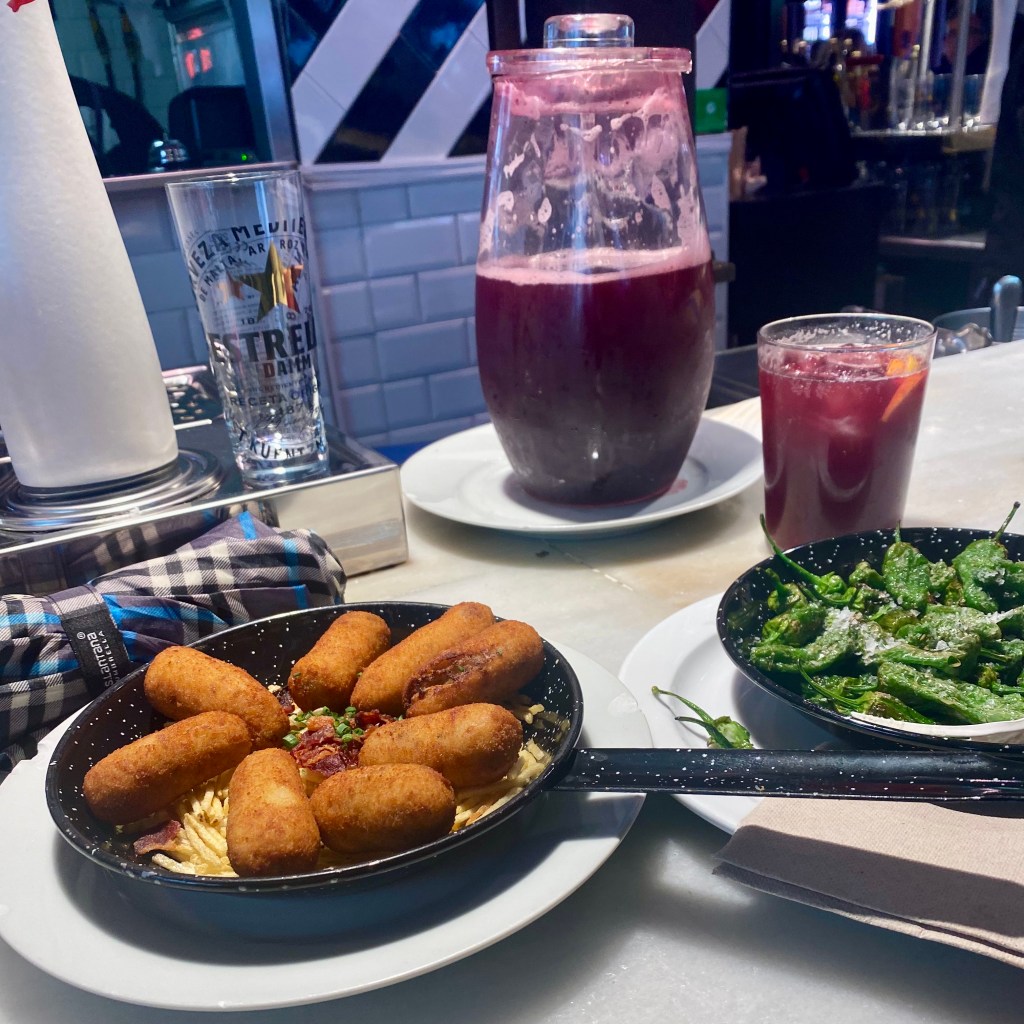
Ibérico Croquettes, Blistered Peppers and Sangria
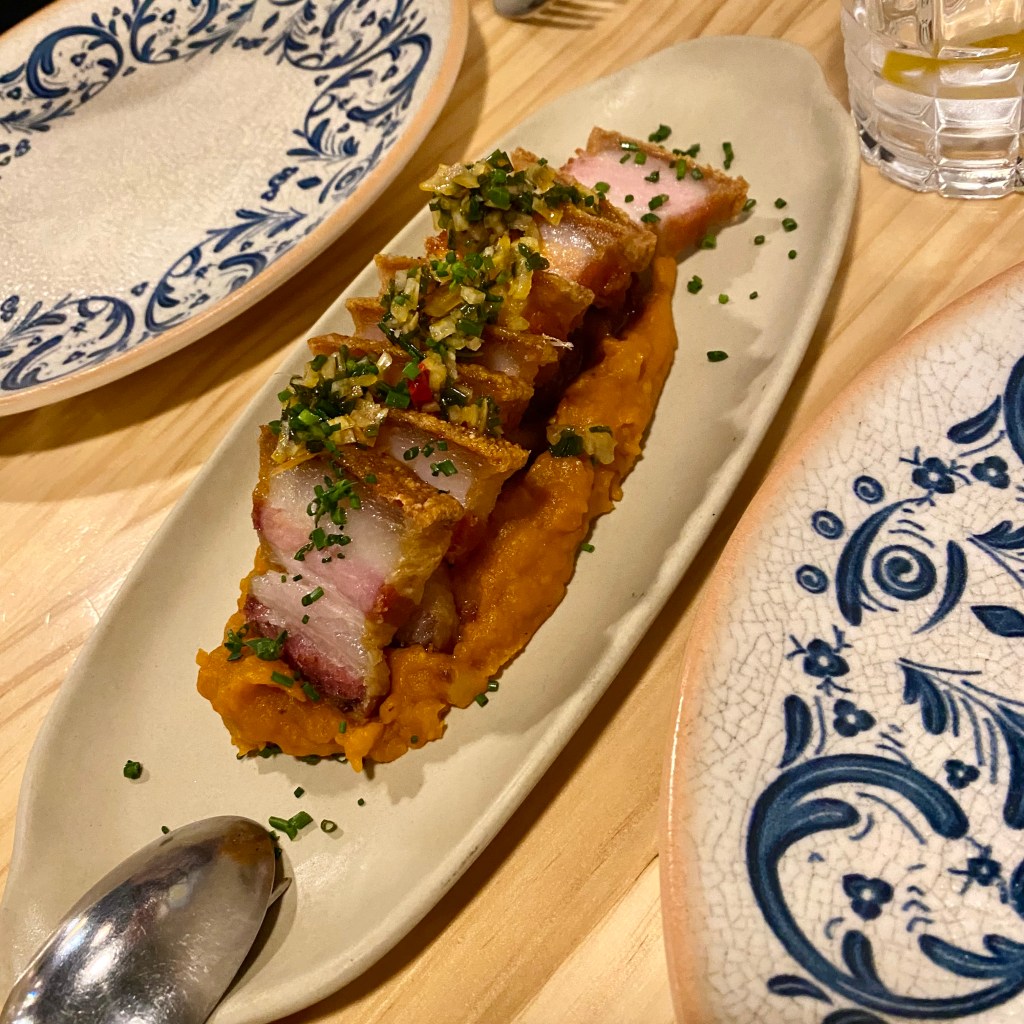
Pork Belly with Meneás at Casa Mortero

I first came across it in Madrid. Like I tend to do, I went off in search of a market and ended up at Mercado de San Miguel. I remember sitting at the Arzábal stall with a plate of Ibérico croquettes and blistered peppers, just taking it all in. It was simple, but so good. Another meal that stayed with me was at Casa Mortero, where the pork was just as memorable.

That’s something I’ve carried with me and come back to in my own kitchen. I’ve cooked with Ibérico pork quite a bit over the years, especially rib roasts and some of the smaller cuts like secreto and pluma. It’s become one of those ingredients I’m always happy to cook with.

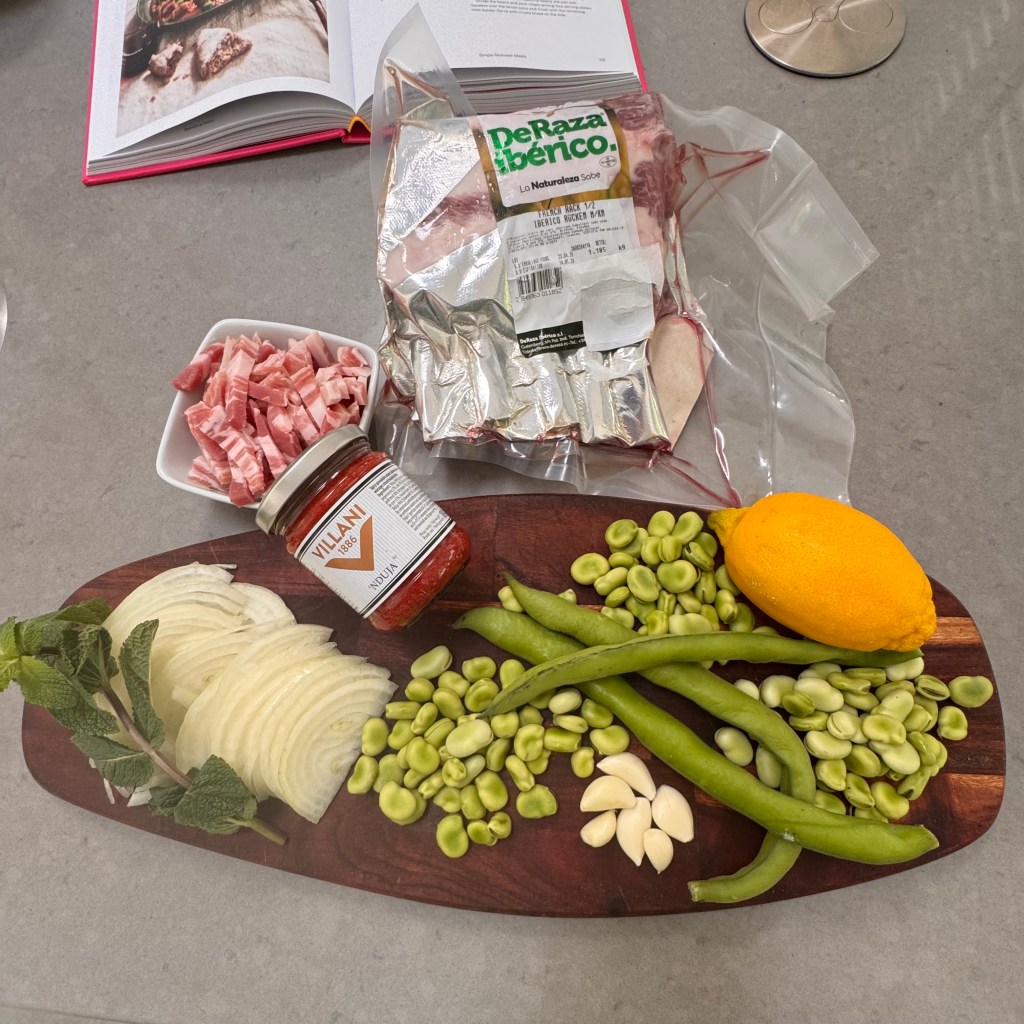
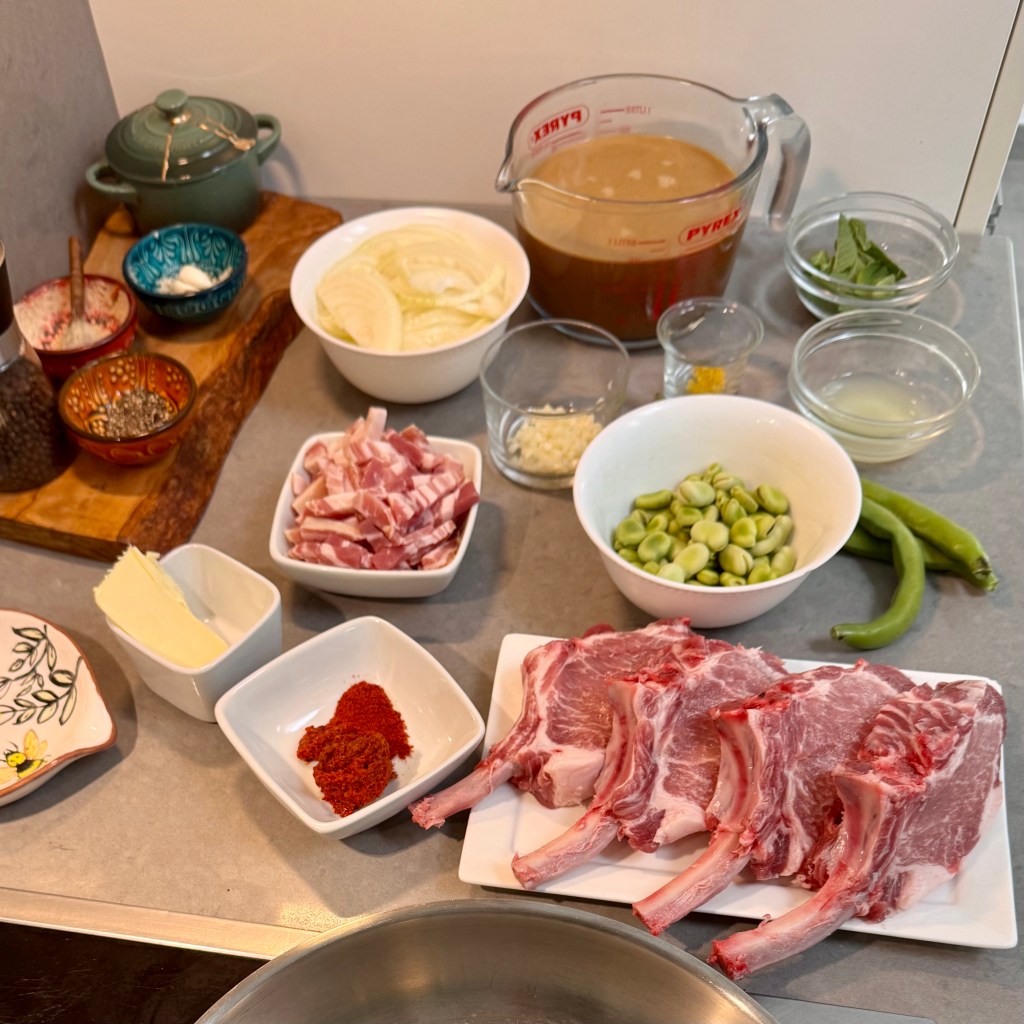
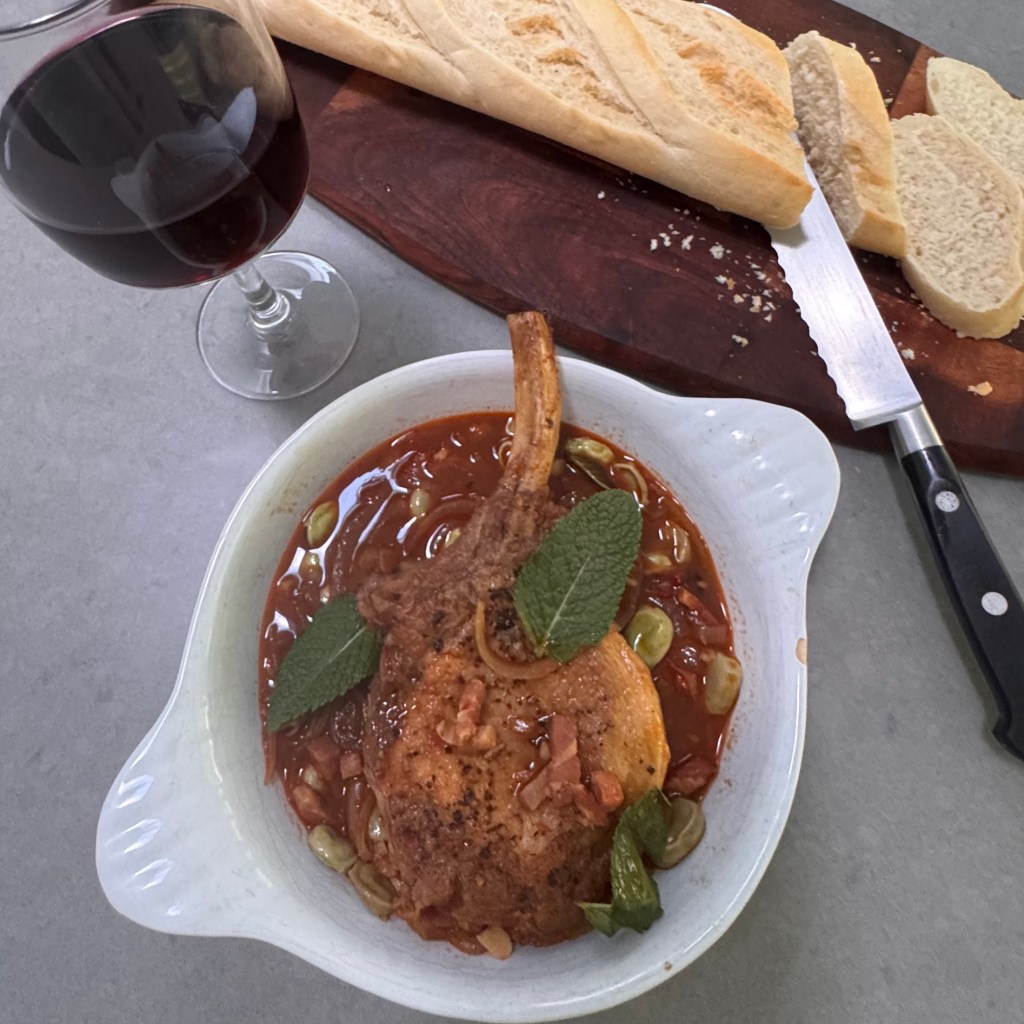
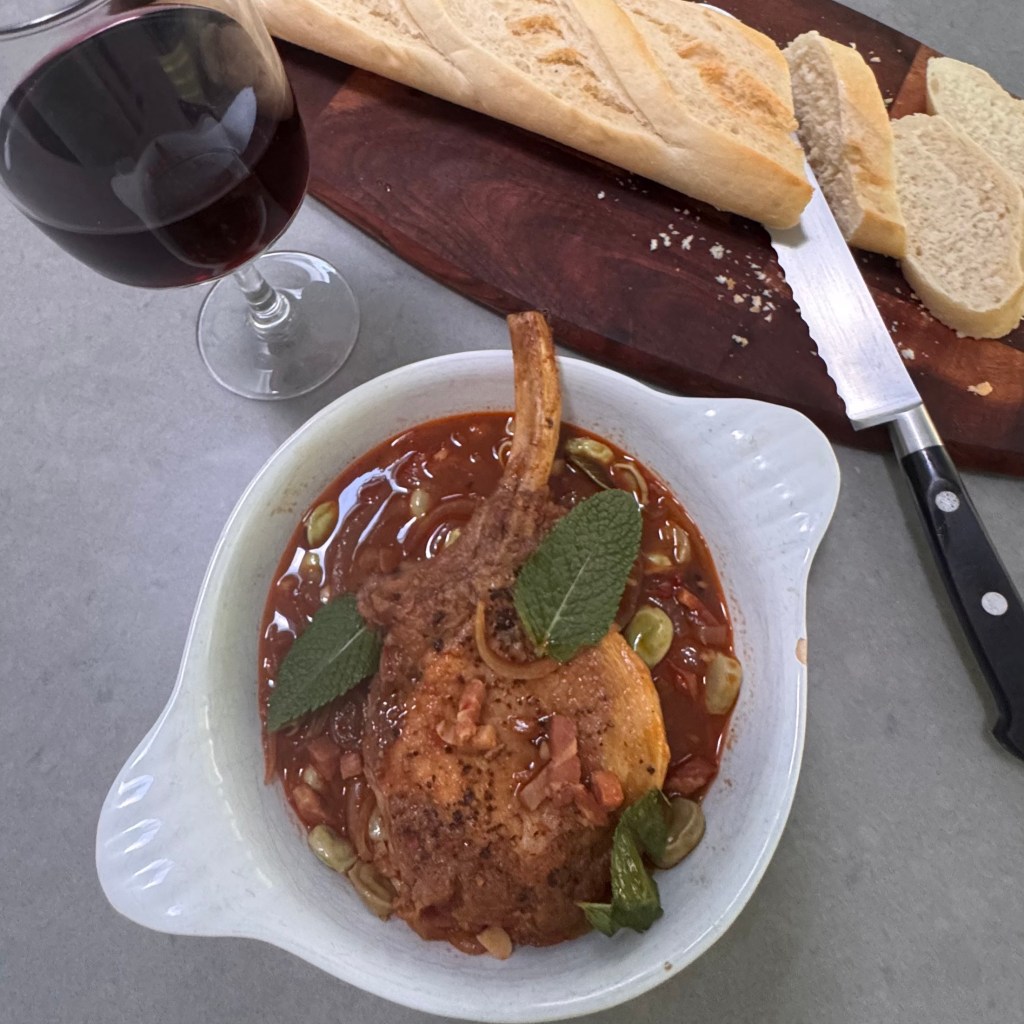
So this time, I went back to Spanish at Home and chose Chuleta de cerdo con habas rehogadas. Pork with broad beans. A simple dish, but one that feels very much like everyday cooking in Spain.

What I liked about this recipe is how the beans are added in stages. Some go in early and soften into the sauce, others later, and then a final handful at the end so you still get a bit of texture.

I made a few changes along the way. I substituted nduja and smoked paprika for the sobrassada. I like a little heat, and it worked perfectly with this dish. The slight spice, smoky paprika, and richness from the nduja all worked really well together without overpowering the dish.

I also used duck stock instead of chicken stock, which gave the broth a deeper, richer almost umami-like flavor.

One thing I really loved in this dish was the mint. I’ve always loved how mint is used in so much Mediterranean and Middle Eastern cooking. It adds a freshness that cuts through the richness and gives the dish a little brightness at the end.

I kept it simple and served it with some crusty bread.

Chuleta de cerdo con habas rehogadas

Pork with Broad Beans

Serves 4

Ingredients

4 pork chops
Olive oil
Butter
2 lb fresh broad beans (fava beans)
5 oz pancetta, chopped
1 onion, thinly sliced
1 tbsp nduja
1 tsp smoked paprika
4 garlic cloves, minced
6 oz dry sherry (Fino)
28 oz duck stock (or chicken stock)
Zest and juice of 1 lemon
5 to 6 mint leaves, whole

Method

Prepare the broad beans by removing them from their pods. Keep about a third of the beans in the pods, trimming off the edges, for the sauce. Divide the podded beans into two piles.

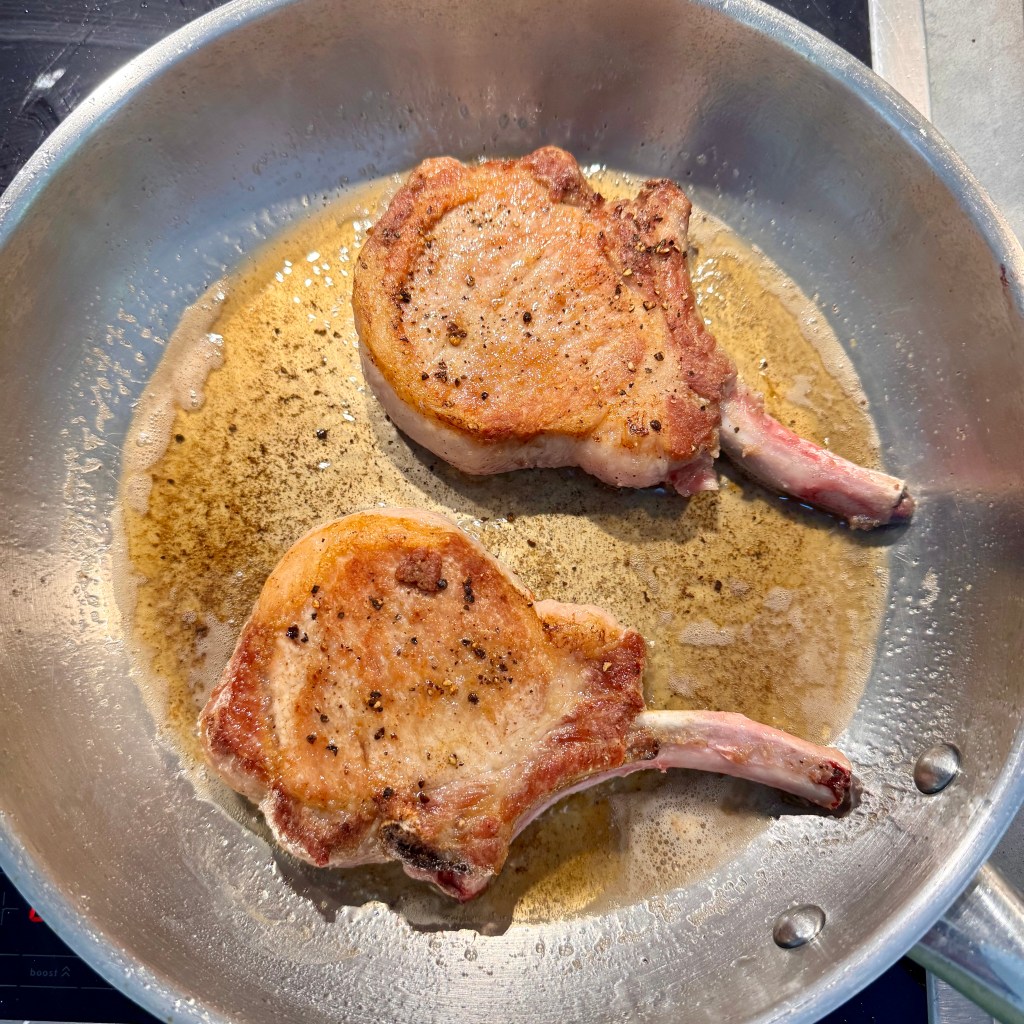
Heat a little butter and olive oil in a large frying pan. Sear the pork chops until they form a nice crust on both sides. Set aside.

Add the pancetta to the pan and cook until crisp. Remove and set aside.

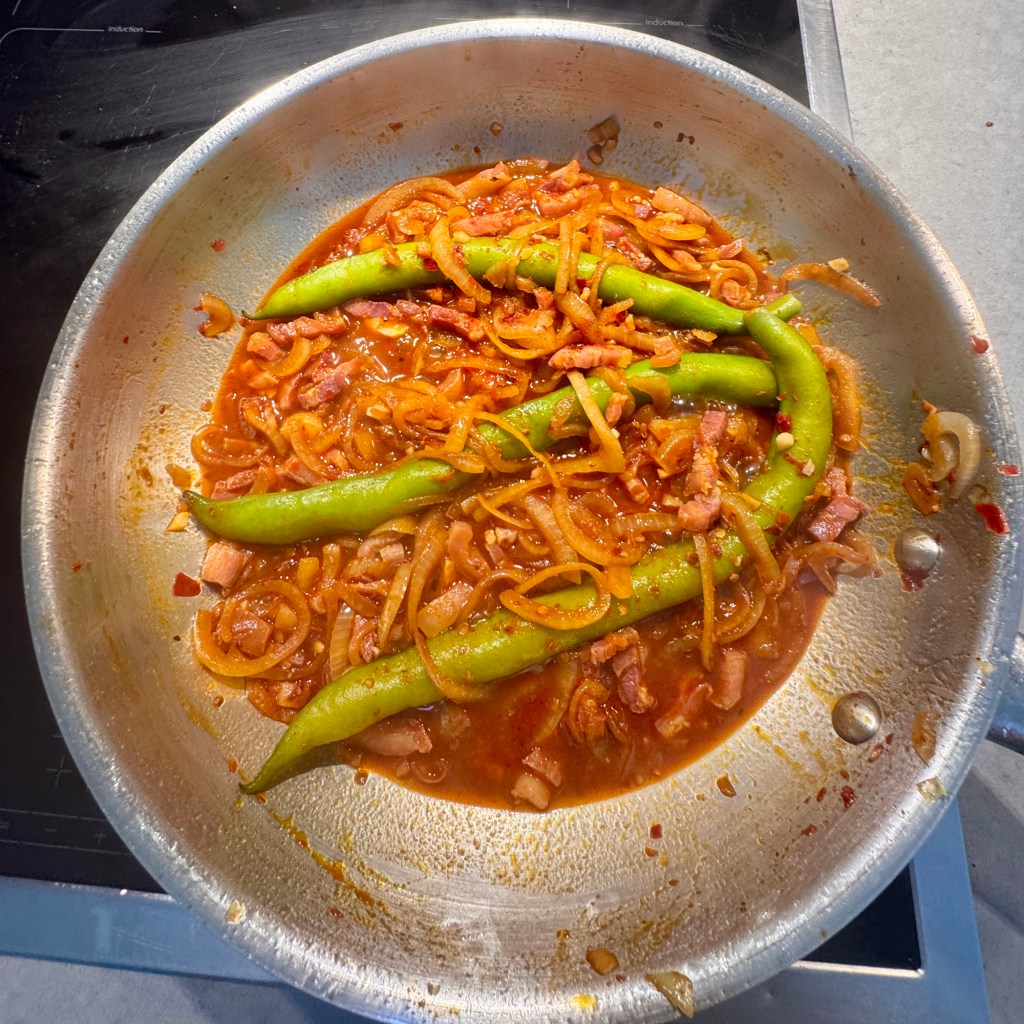
Pour off most of the fat, leaving about 2 tablespoons in the pan. Add the onions and cook until softened and translucent. Stir in the garlic and cook for another 2 to 3 minutes until fragrant.

Add the nduja and smoked paprika and stir until melted into the onions and fragrant.

Pour in the sherry and lemon juice and reduce by about a third. Add the pancetta back to the pan along with the husks and duck stock. Let simmer for about 10 minutes to develop flavor.

Return the pork chops to the pan, cover, and simmer for 10 to 12 minutes. Turn the pork chops over and add the first pile of beans. Cover again and simmer another 10 to 12 minutes.

Remove the pork chops from the pan. Add the remaining beans and mint leaves, raise the heat, and cook for another 3 to 5 minutes, just until the beans are tender but still bright.

Spoon the beans and broth into shallow bowls, top with a pork chop, and garnish with extra mint if desired.

Serve with crusty bread.

Barcelona: A Cookbook, a Market, and Salmonete de Gaudi

I’ve included the recipe below if you’d like to try it.

Barcelona, 20 February 2025

Traveling to Barcelona for the first time was a bucket list item checked off.

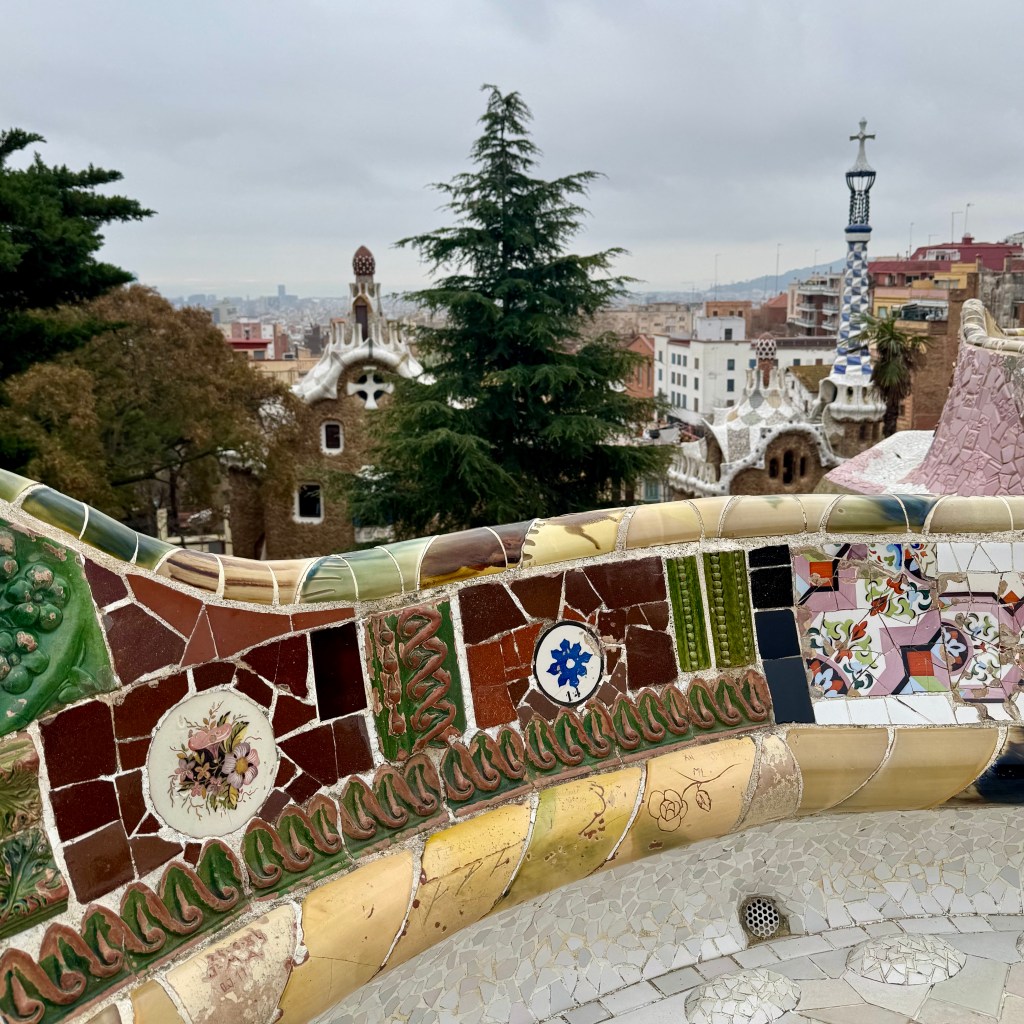
The first couple of days, I spent time on my own wandering the waterfront and the neighborhoods, taking in the views. The city felt easy to navigate, whether walking or taking public transportation. I was especially interested in the legacy of Antoni Gaudí in Barcelona. His architecture is a true reflection of the city, whimsical, flowing, and colorful. It is a vibrant place, full of energy, good food, and welcoming people. I felt comfortable there right away.

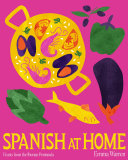
One thing I love to do when visiting a new place is find a local bookstore and bring home a cookbook as a keepsake. With that in mind, I found my way to Laie Llibreria Cafè and knew right away I had stumbled upon a gem. The shop was packed, people browsing every shelf, and the café was just as full. I took my time and eventually came across Spanish at Home by Emma Warren. I still remember sitting there, flipping through the pages for the first time. Barcelona has its own Catalan food culture, but Spanish at Home focuses on everyday cooking from across Spain.

The cookbook that came home with me.

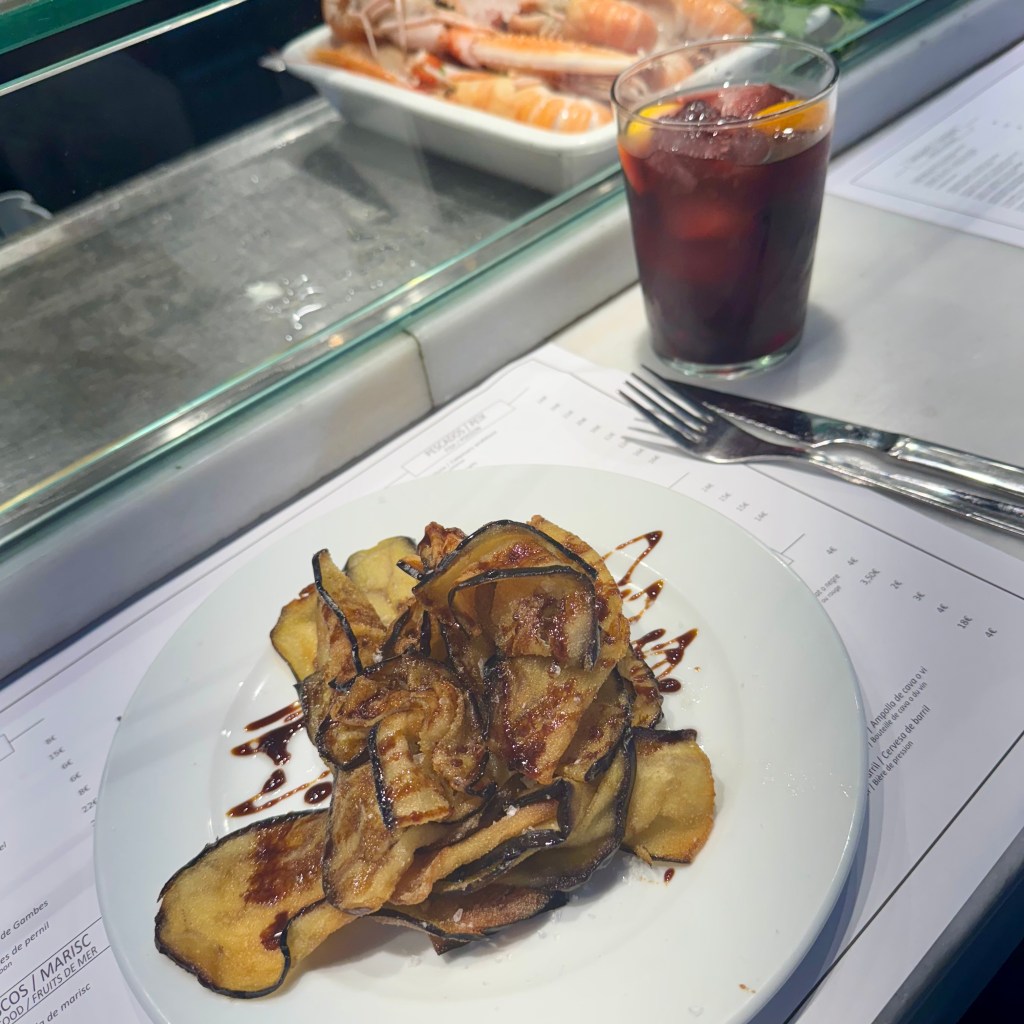
I left with the book in hand and made my way to Mercat de la Boqueria. I have always loved food markets. The displays, the vendors, the energy all make the experience feel alive. Each city has its own rhythm, and Barcelona did not disappoint. The market was bustling. I found a seat at Kiosko Universal, ordered a few tapas and a glass of sangria, and sat there with my book.

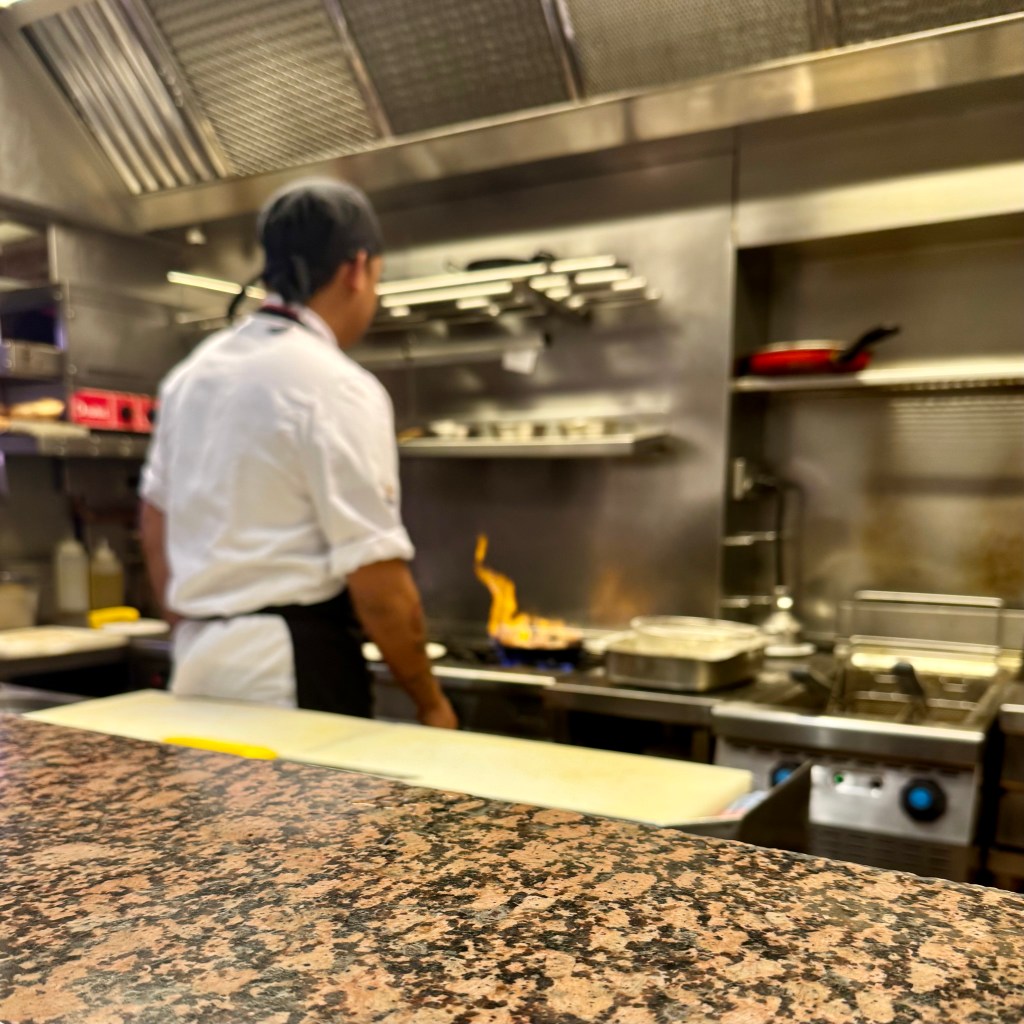
What stayed with me most was the rhythm behind the counter. The chefs moved in sync, calling out orders, grilling, sautéing, frying, plating. It was fast, focused, and somehow calm all at once. It brought back memories of working in a restaurant kitchen. A part of me wanted to jump over the counter and join in. There is so much joy in the cooking process.

Between turning the pages of Spanish at Home, I started to notice the ingredients around me. Seafood, sardines, Imbérico pork, zucchini, beans, peppers, all the products that make Spain what it is.

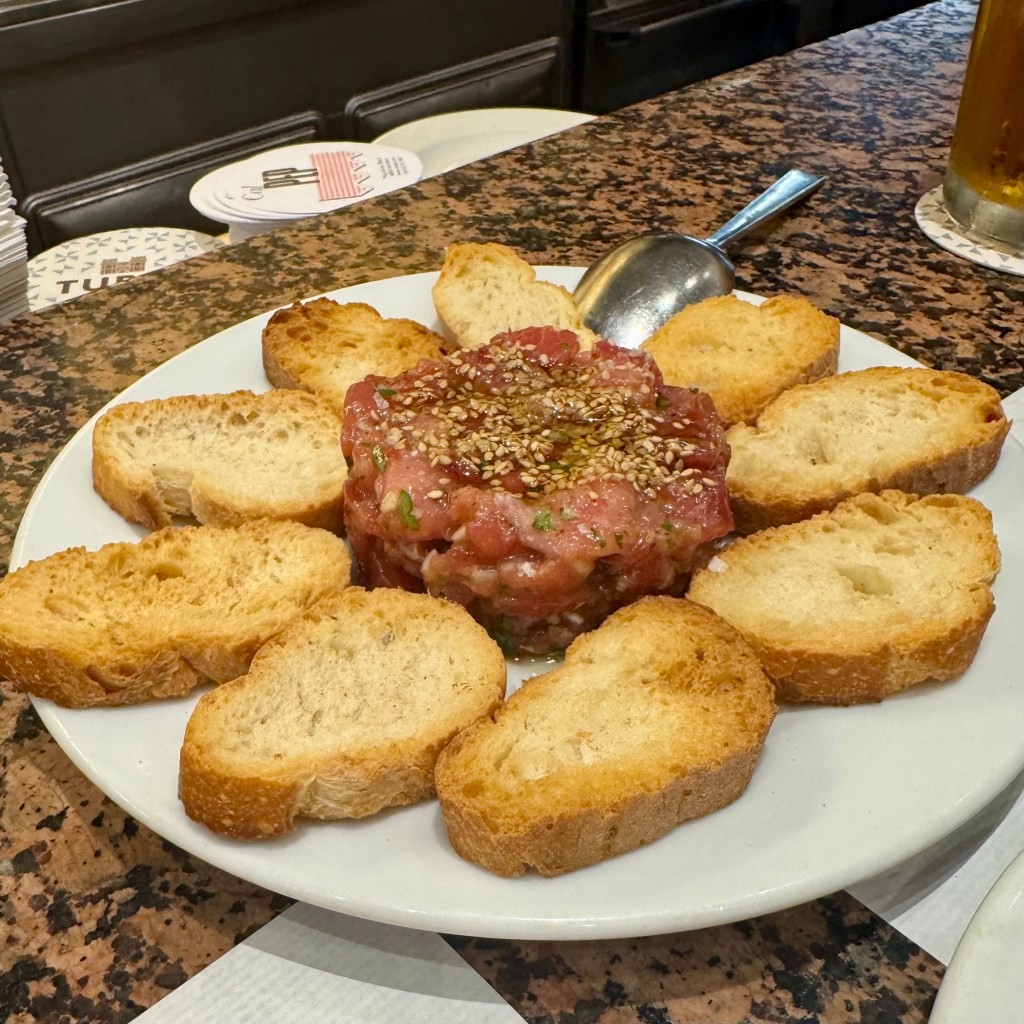
Later in the trip, my husband and I had dinner at Cal Pep. We sat at the counter and let them bring out what was fresh that night. Plate after plate of simple tapas, each one better than the last.

It was different from the market, but at the same time it wasn’t. The same ingredients, the same rhythm, just a different setting.

It made me realize how much it all reflects Spain, whether you are standing at a crowded market counter, eating at a local tapa bar, or cooking a meal at home.

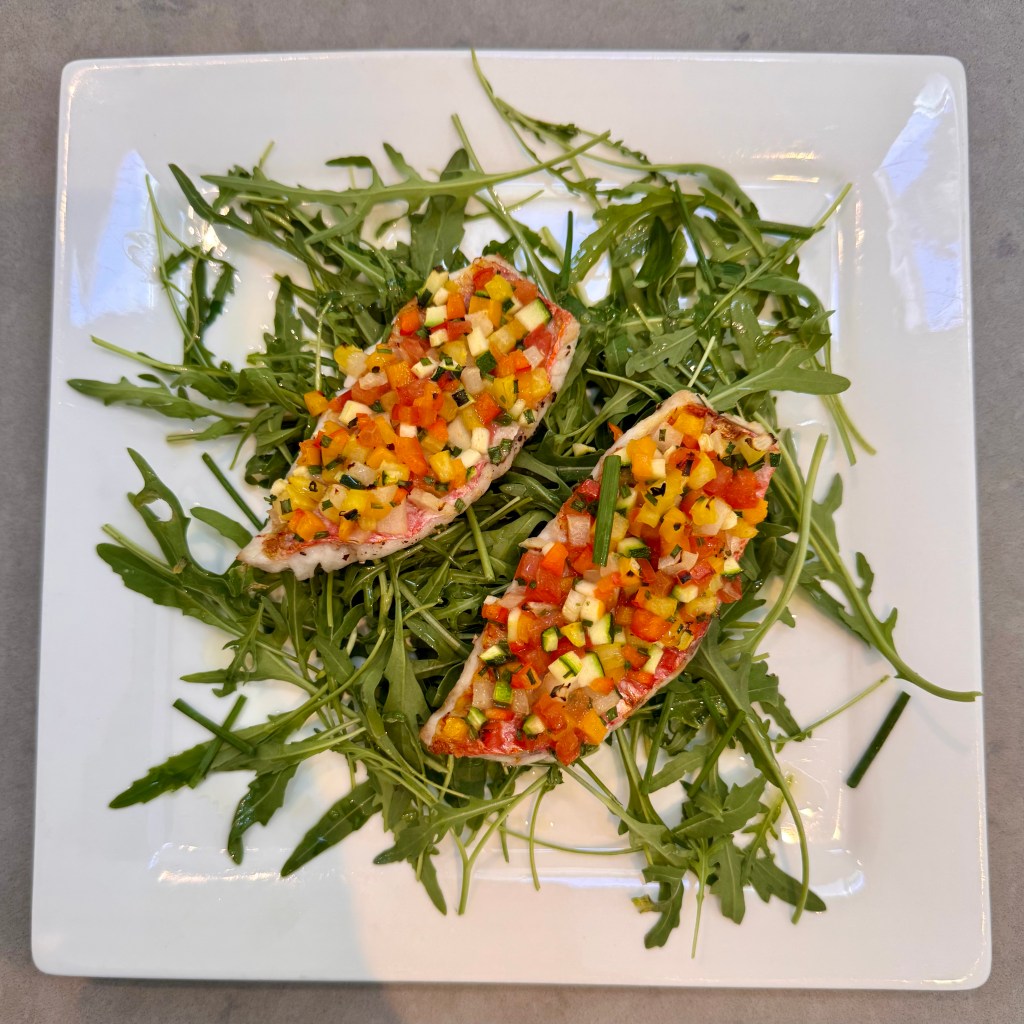
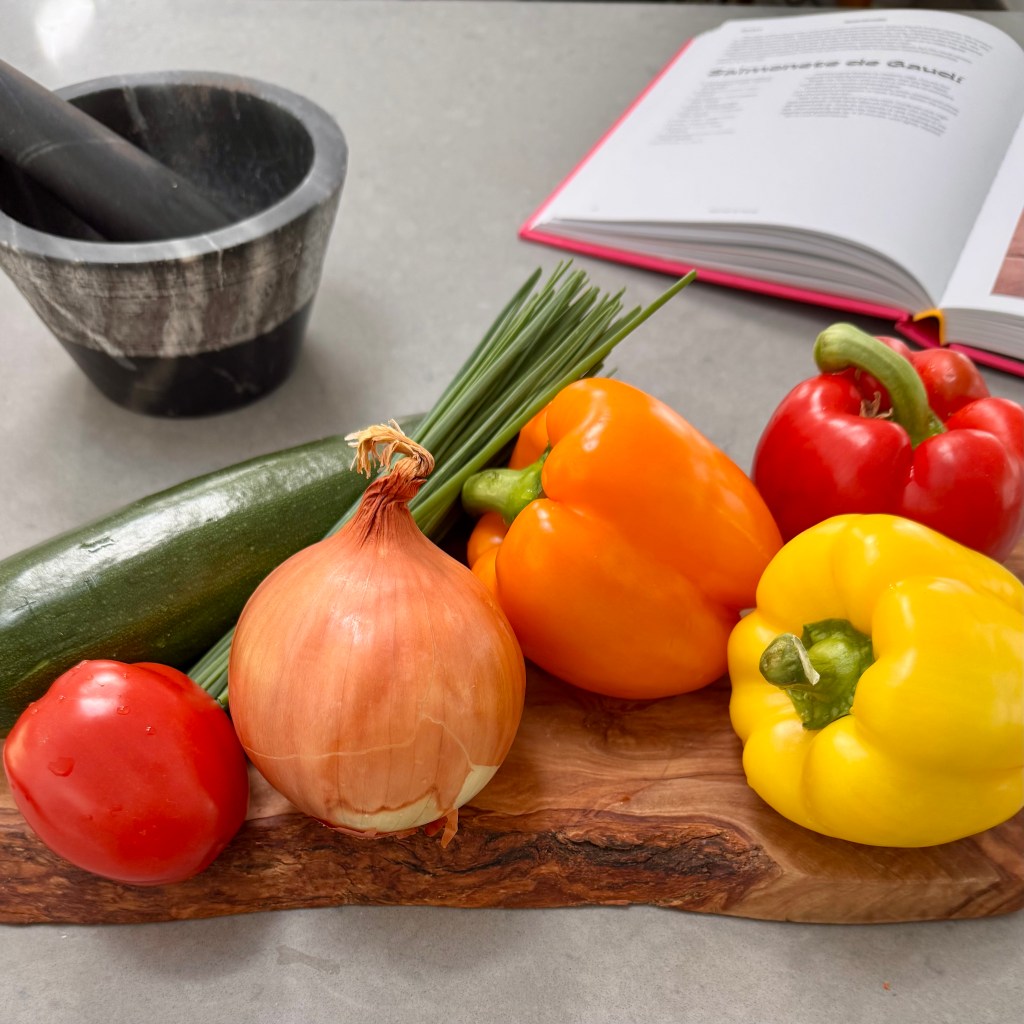
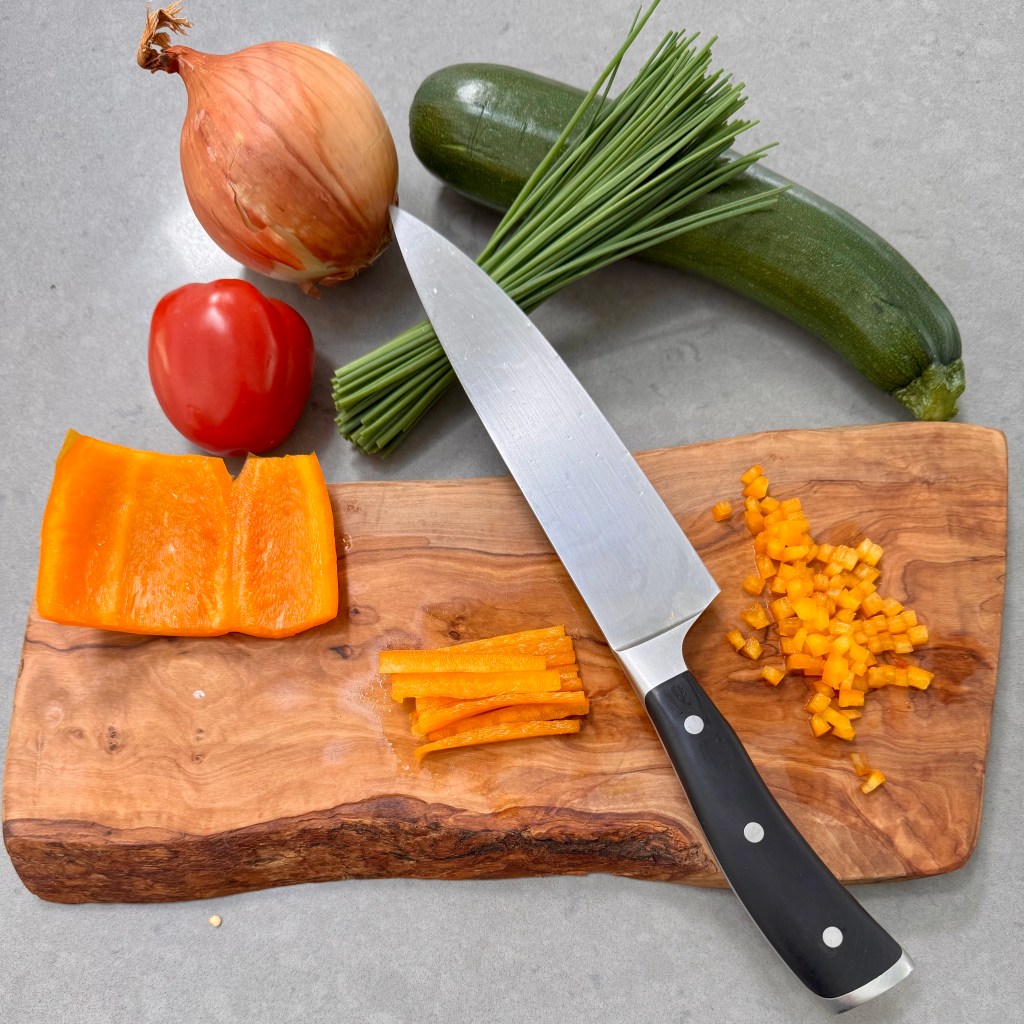
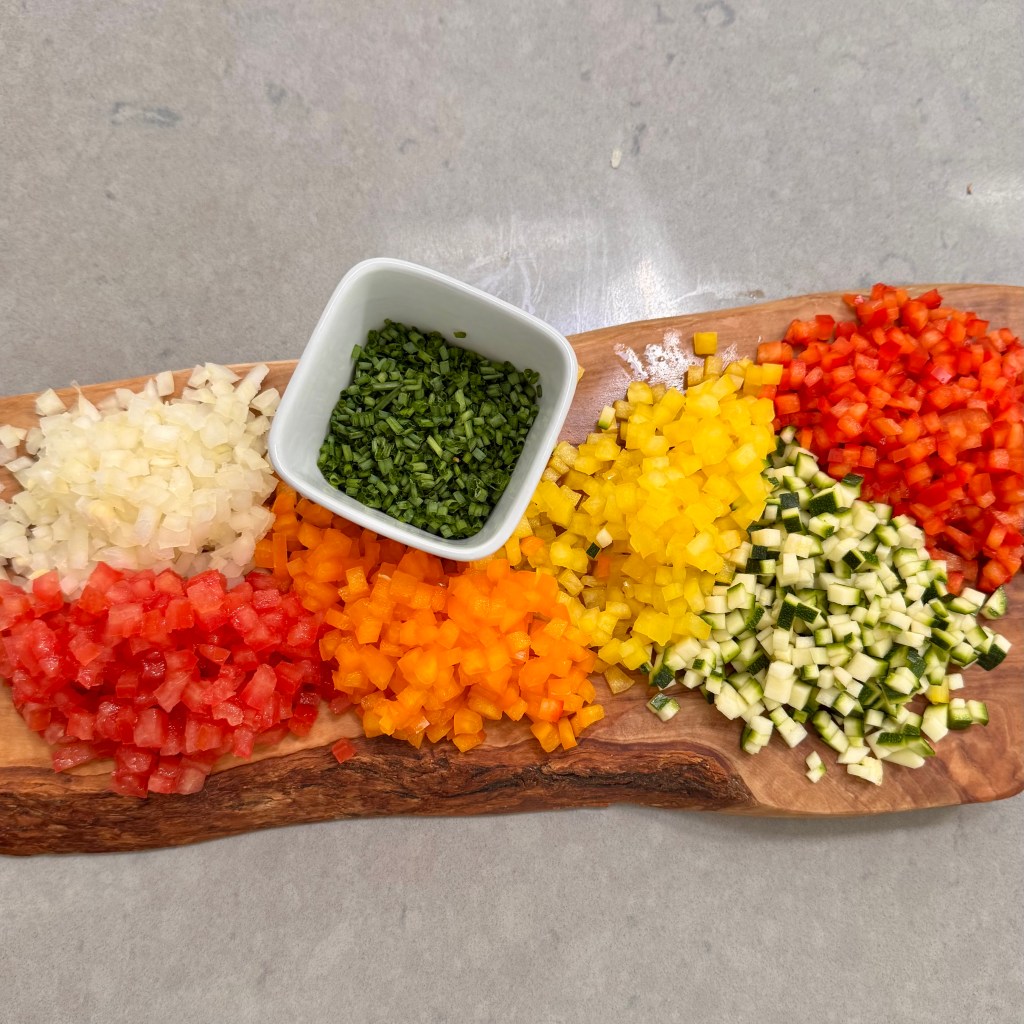
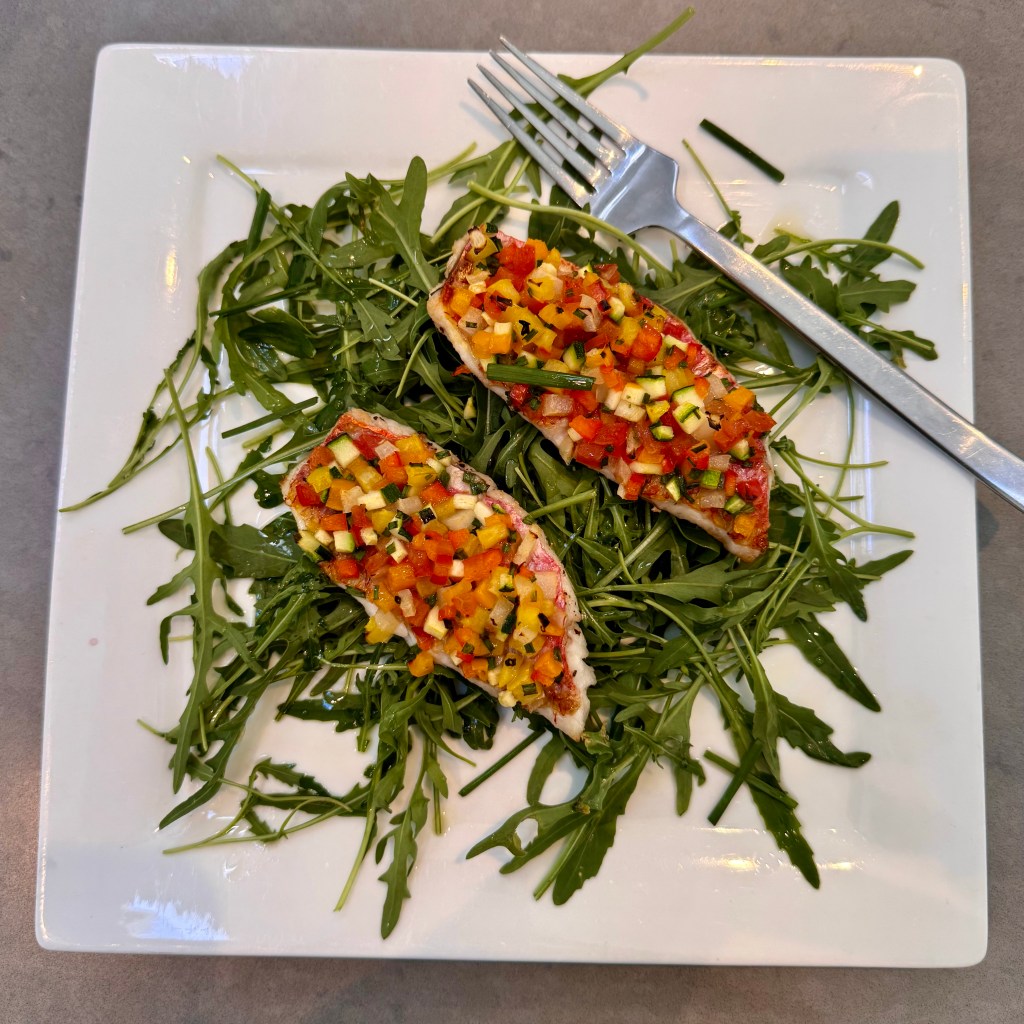
By the time I left, I was already thinking about getting back into my own kitchen. When I did, I started with Salmonete de Gaudí. After spending time wandering through Gaudí’s work, this recipe felt like the right place to begin. Originally inspired by Ferran Adrià, the dish reflects the mosaic colors of Gaudí’s designs. The simple, fresh ingredients highlight the sweetness of the red mullet and create a clean taste of fresh produce and the sea. I served it with wild rice.

Salmonete de Gaudi

Serves 4

Ingredients

2 to 3 red mullet, cut into filets with the skin on
Olive oil
1/4 cup red pepper, small dice
1/4 cup yellow pepper, small dice
1/4 cup orange pepper, small dice
1/4 cup zucchini, small dice
1/4 cup yellow onion, small dice
1/4 cup plum tomato, small dice
1/4 cup chives, finely chopped
Salt and pepper
Arugula, olive oil, and lemon for garnish

Method

Pat the mullet filets dry and check carefully for any remaining bones.

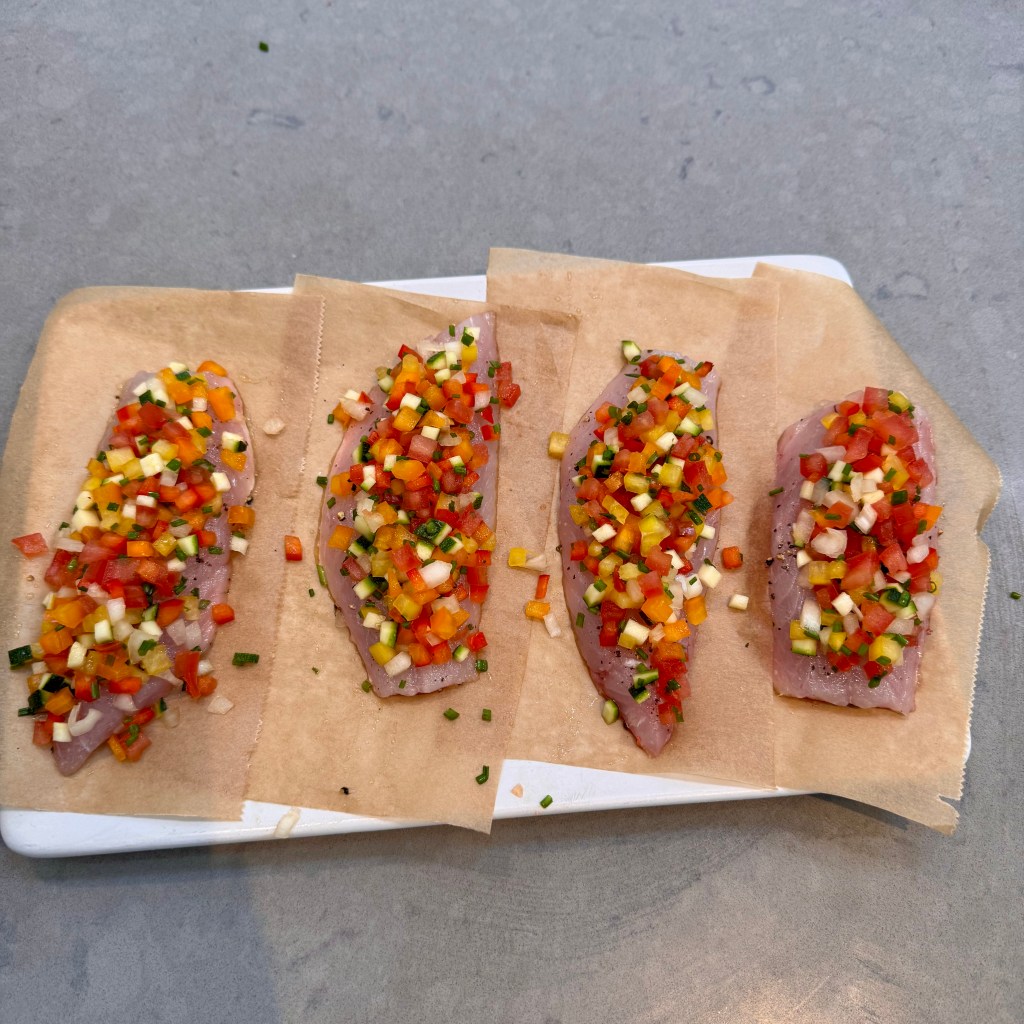
Brush the filets with olive oil, including the skin side, to prevent sticking. Salt and pepper the flesh. Place each piece on parchment paper or foil, skin side up to make transferring to the pan easier.

In a bowl, combine the diced peppers, zucchini, onion, tomato, and chives.

Spoon the mixture evenly over the top of each fillet, pressing gently so it adheres to the skin.

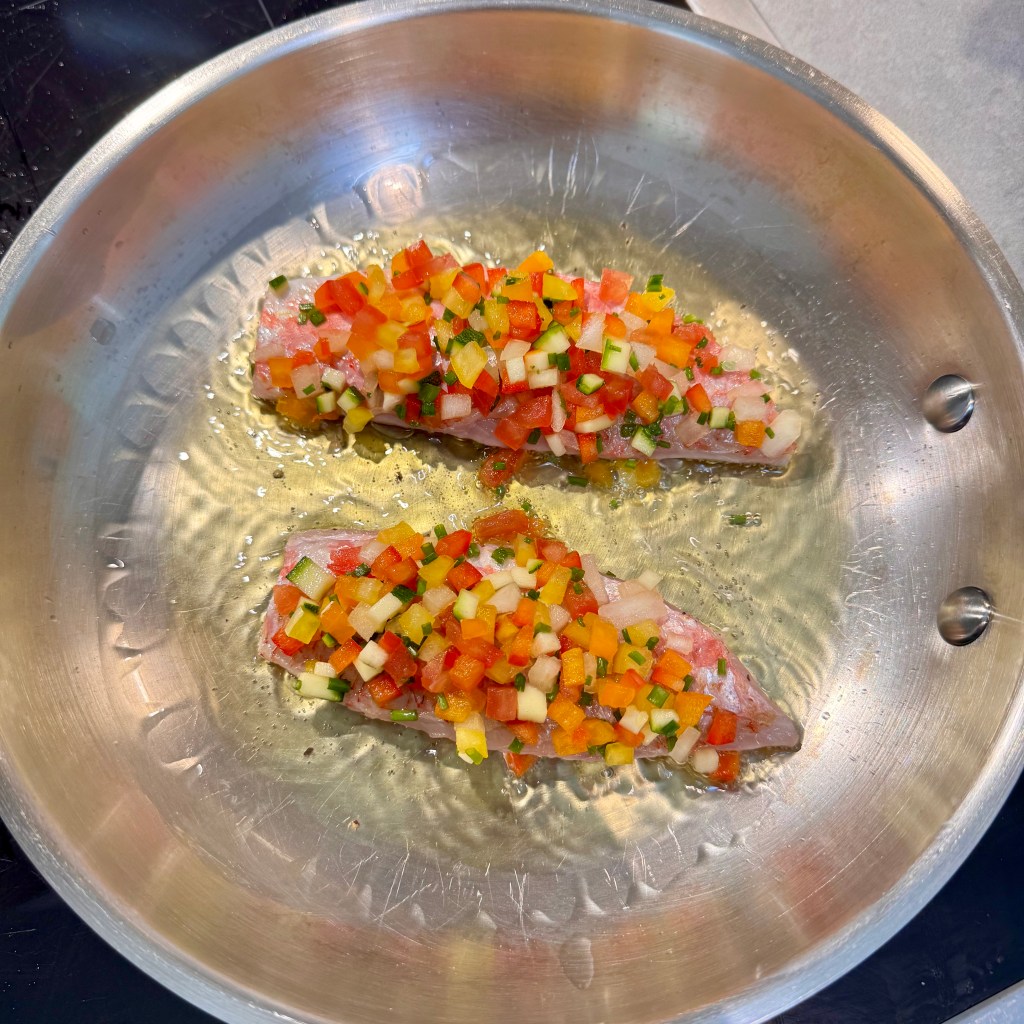
Heat olive oil in an ovenproof pan. Carefully place each fillet flesh side down, taking care not to disturb the topping. Sear for about 2 to 3 minutes.

Remove the fillets and return them to the parchment paper. Transfer to a baking dish and broil until the fish is cooked through and the topping and skin is lightly crisped.

Place arugula on a serving platter and drizzle with olive oil and lemon, if using. Set the fish on top, drizzle with more olive oil and finishing salt. Serve.