Inspired by the canals, culture and comforting food of the Netherlands
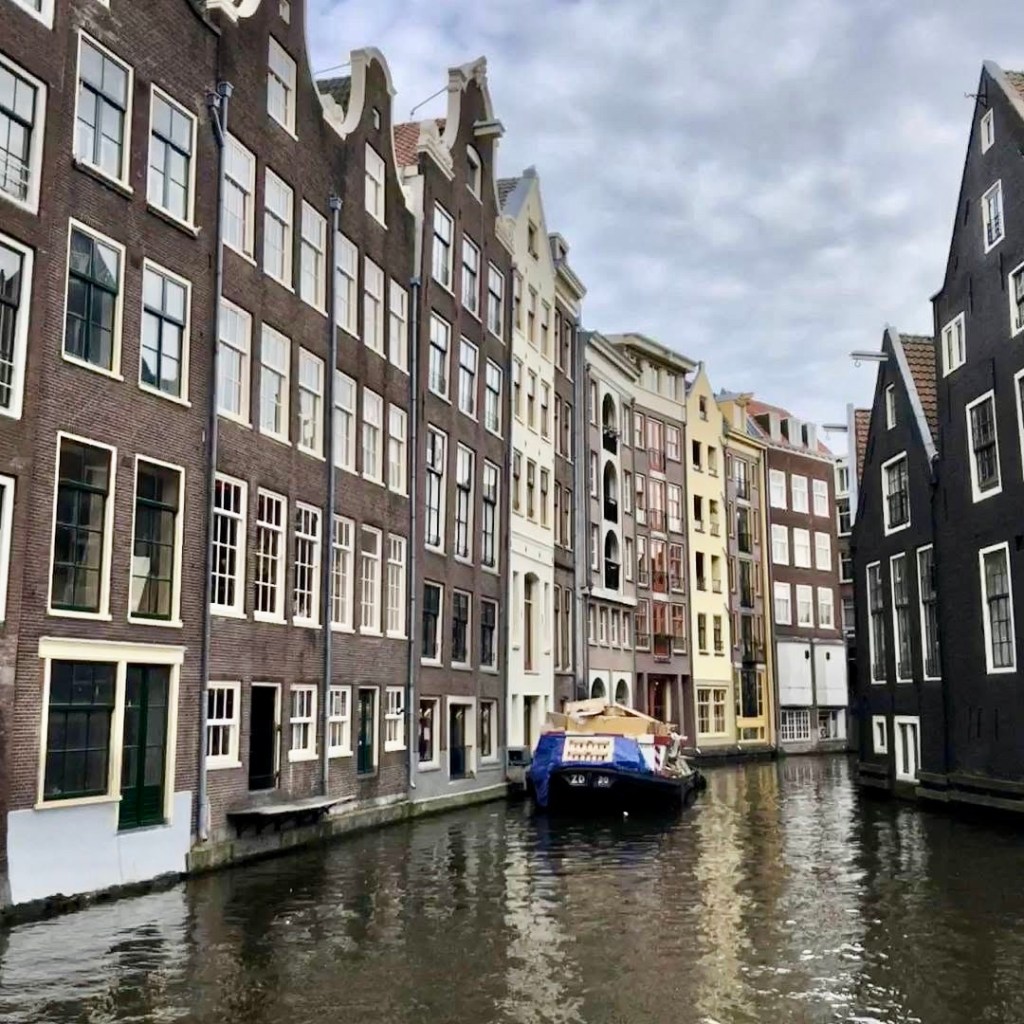
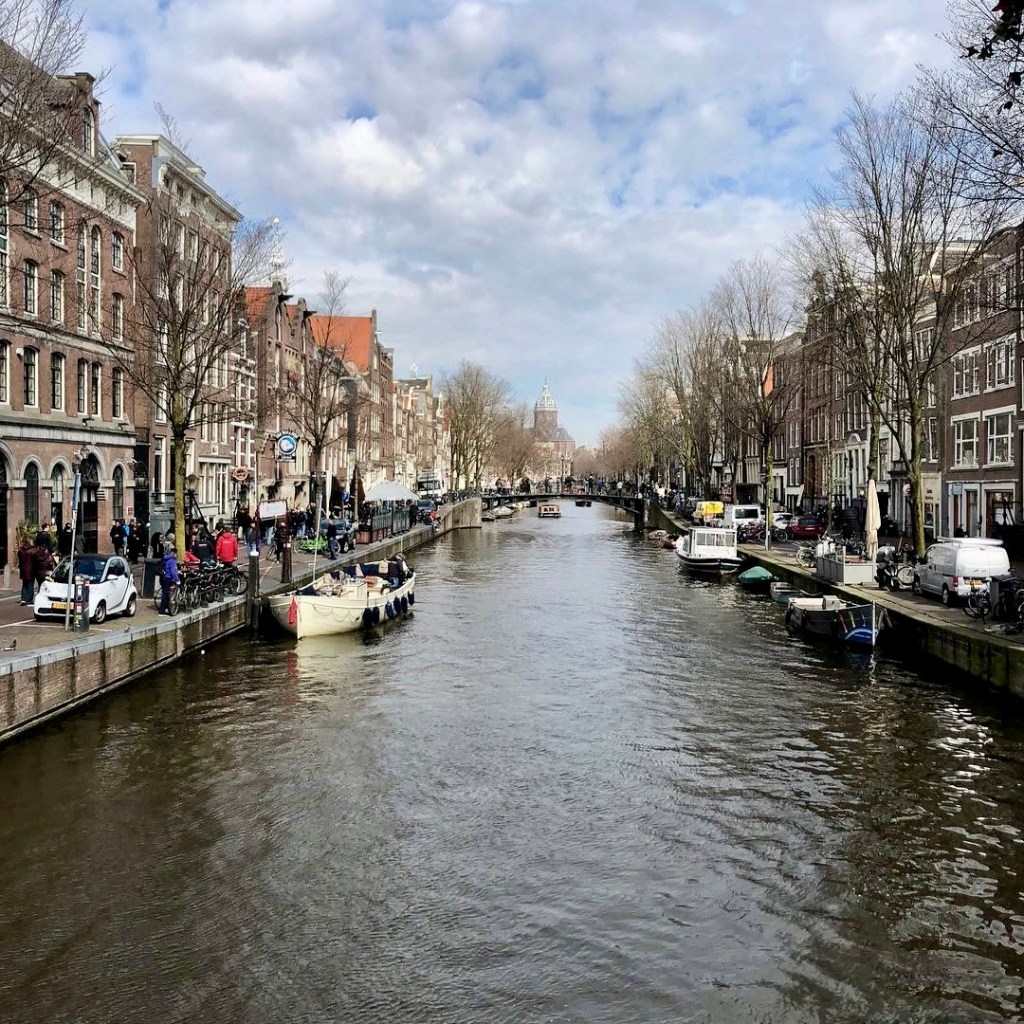
I have visited the Netherlands several times, and each trip has given me another reason to return. I love Amsterdam’s canals, narrow streets and beautiful old buildings. The city is filled with history, but it is also lively, welcoming and wonderfully multicultural.
There is a coziness to Amsterdam. Bicycles line the bridges, houseboats sit quietly along the canals and people gather in cafés. Even in the middle of a busy city, there is a sense of warmth, tradition and togetherness.
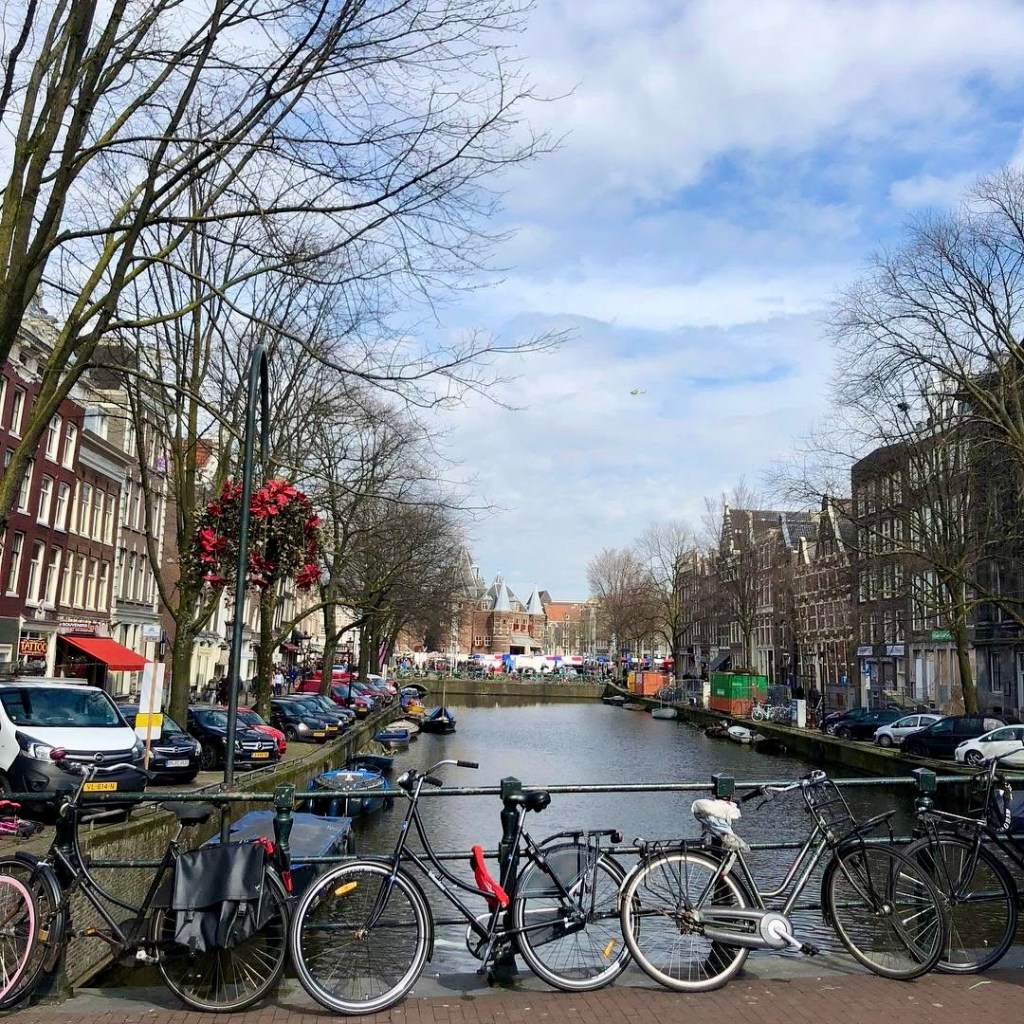
The first time we visited, we drove directly to our hotel without fully understanding what that would mean. We found ourselves navigating narrow streets and bridges surrounded by pedestrians and bicycles. It was intimidating at first, but there was a rhythm to it. The cyclists and pedestrians seemed to move together with an ease we certainly did not have!
After that experience, we were very happy to explore Amsterdam on foot.
We wandered beside the canals, crossed one bridge after another and stopped whenever something caught our attention. The hooks at the tops of many canal houses were once used to lift goods through the upper windows, a reminder of Amsterdam’s long history as a trading city.
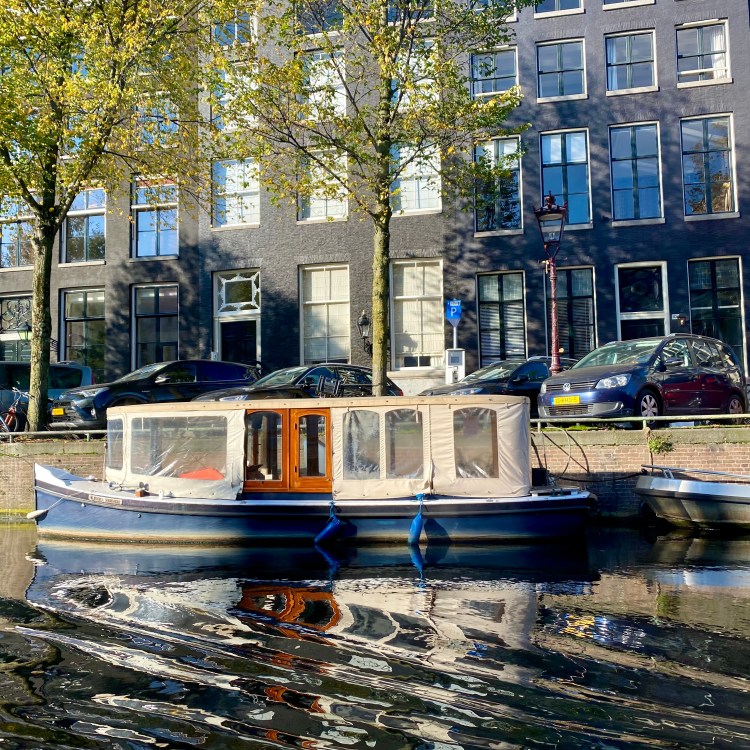
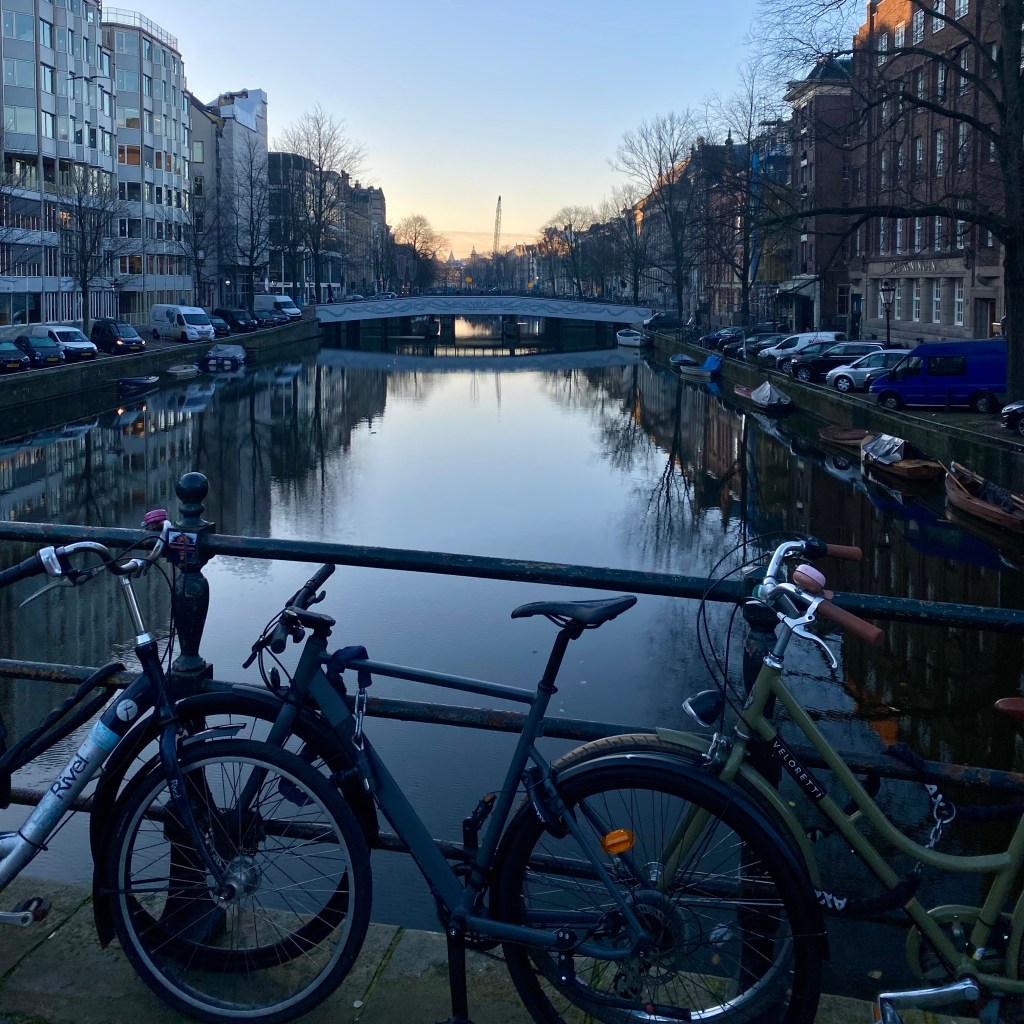
The houseboats were especially intriguing. They seemed peaceful and tucked away while still being in the heart of the city. I could imagine living in one, enjoying the tranquility of the water with everything the city offers just outside the door.
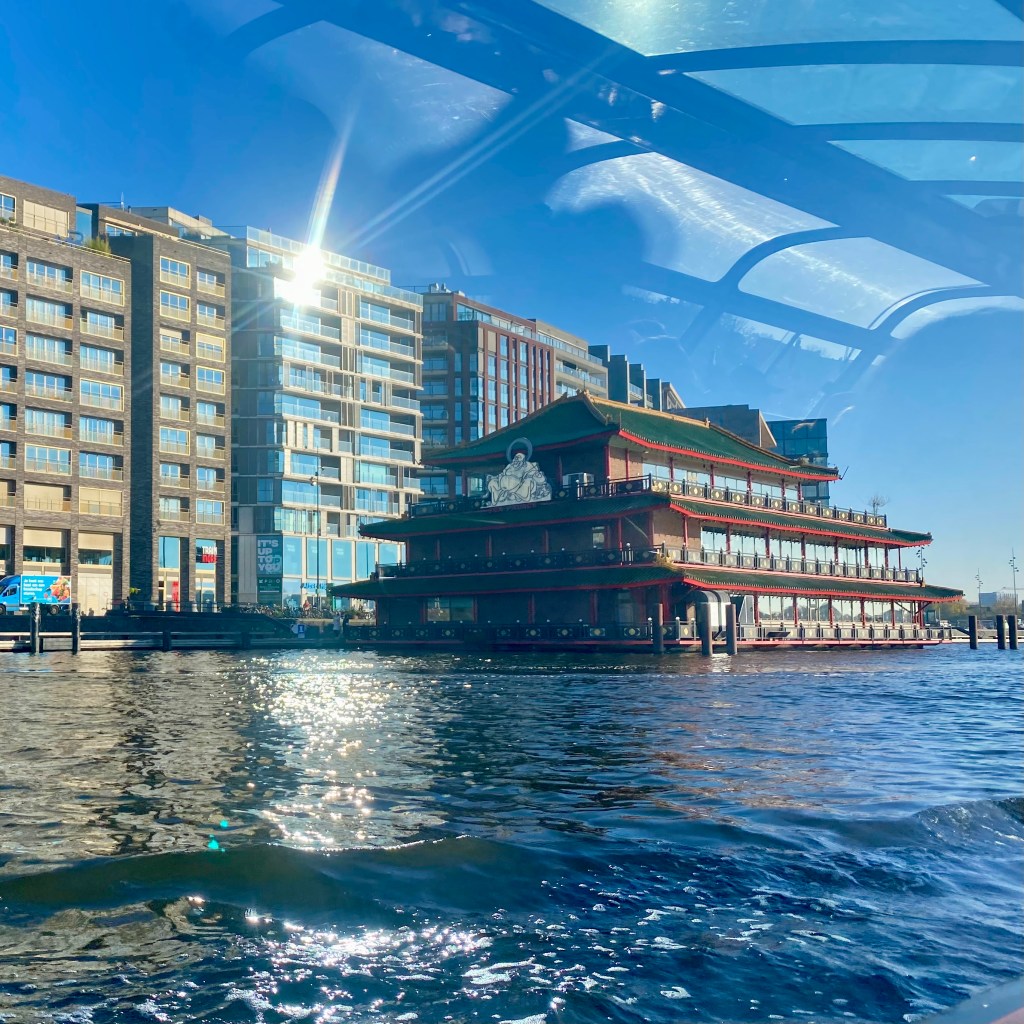
Paul and I took an evening canal cruise during one visit, and I took a daytime cruise when I returned with my niece. Both were wonderful. At night, the lights reflected across the water. During the day, we could see the houses, bridges and details of the city from an entirely different perspective.
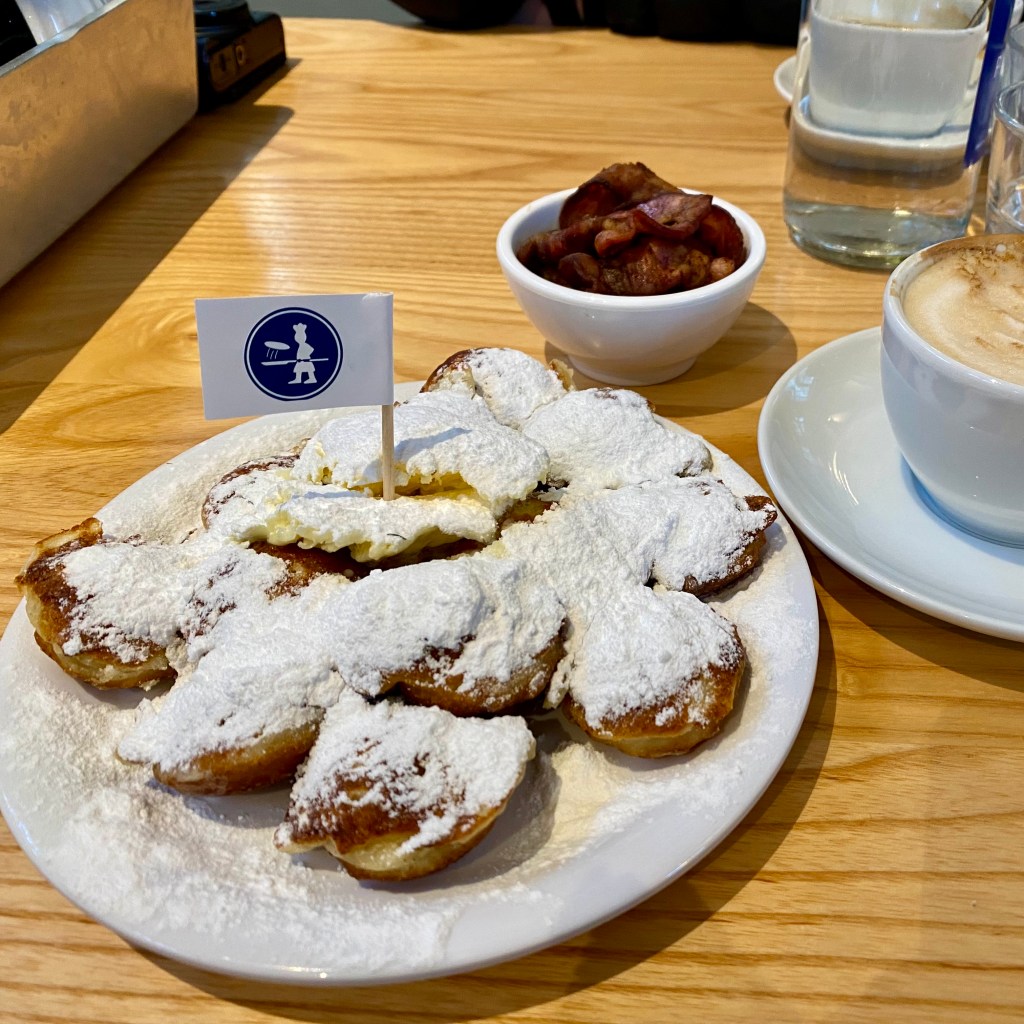
And then there is the food. Amsterdam is filled with flavors from around the world, but we also enjoyed its traditional, comforting dishes and treats. The poffertjes, small Dutch pancakes served warm beneath a generous dusting of powdered sugar, were delicious.
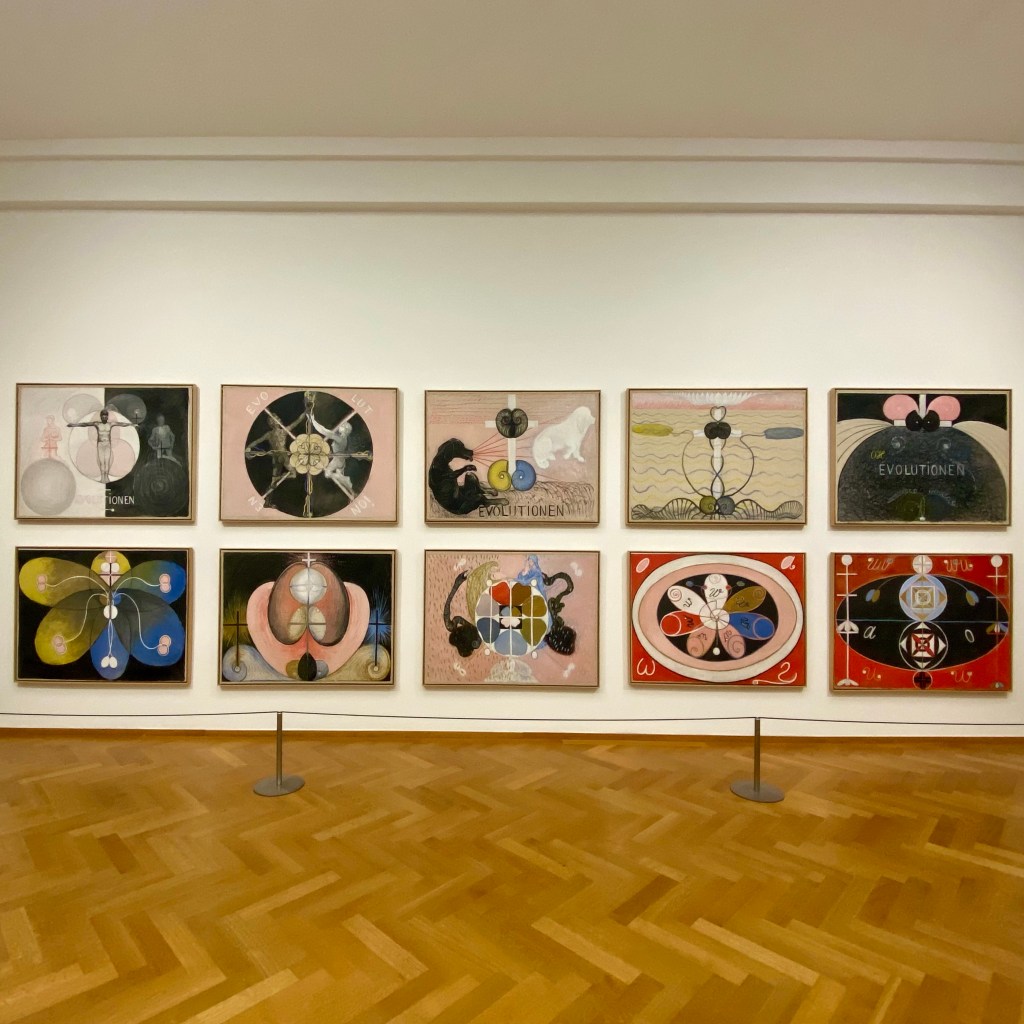
I also visited The Hague with friends to see the Hilma af Klint exhibition at the Kunstmuseum. Af Klint is now recognized as one of the earliest pioneers of abstract art, although her work was largely overlooked while artists such as Kandinsky, Mondrian and Malevich became known for the movement.
Standing in front of her enormous, boldly colored paintings was breathtaking. They felt spiritual, mysterious and far ahead of their time.
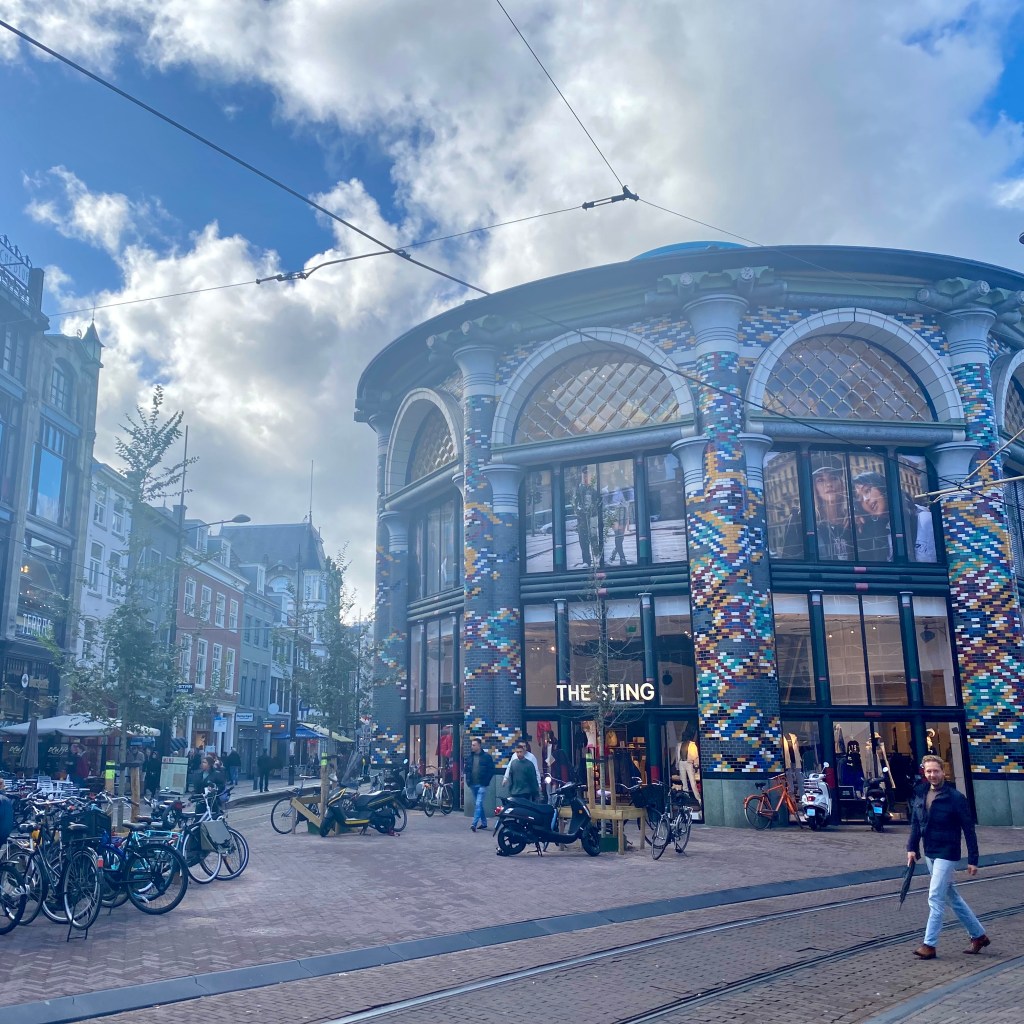
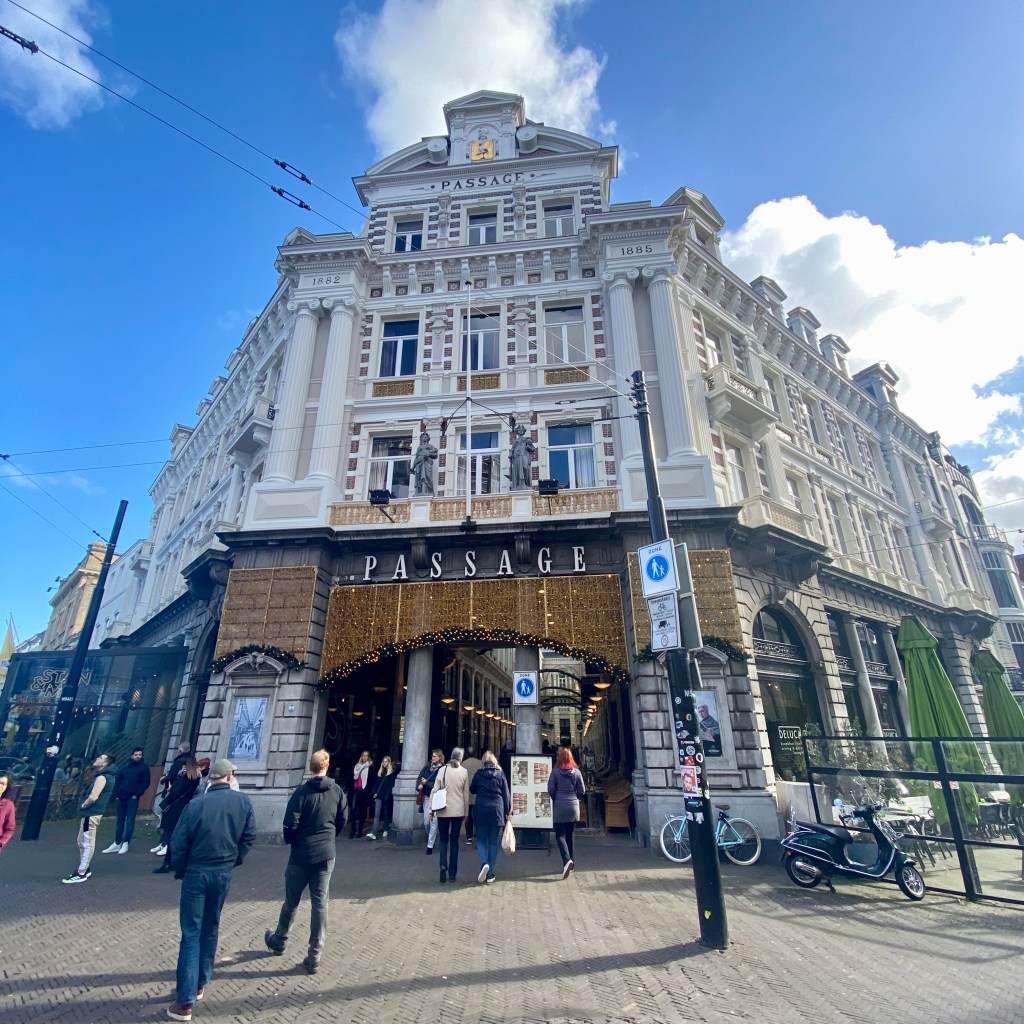
And, of course, we did some shopping. What else would you expect on a girls’ trip?
Why I Chose Hutspot with Klapstuk
I chose hutspot with klapstuk because of its connection to Leiden, a city located between Amsterdam and The Hague.
My own experience of Leiden was brief and far from leisurely. Bad weather canceled our flight from Luxembourg to Schiphol, so we took the train instead. When our connecting train was also canceled, we ended up taking another train to Leiden and then a bus to Schiphol.
It was a classic train, bus and plane adventure.
All I saw of Leiden was the train station at night, so I plan to return one day and replace that memory with a proper visit.
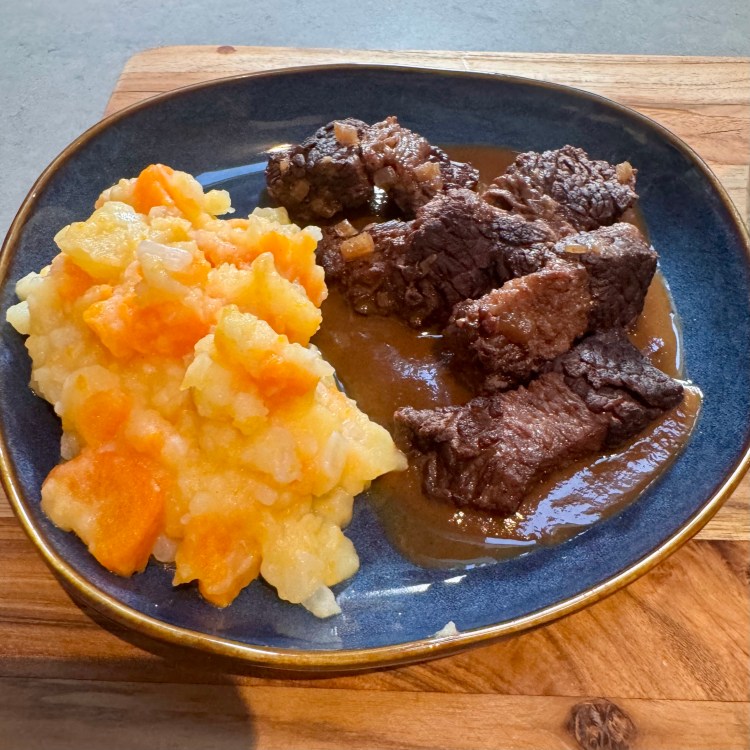
I also chose this dish because it reminded me of the homestyle cooking we enjoyed in Amsterdam. Hutspot is a comforting mixture of potatoes, carrots and onions, traditionally served with slowly cooked beef and gravy. It feels like the kind of meal made for gathering around the table on a cold evening.
From the Cookbook
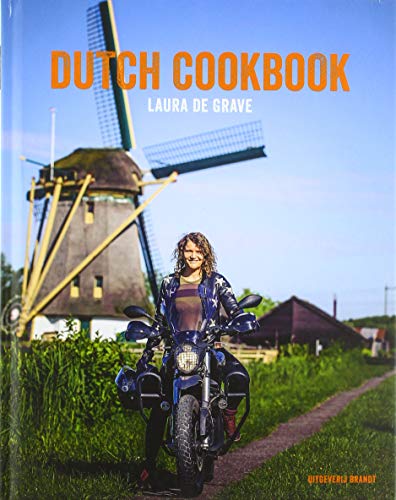
Dutch Cookbook by Laura de Grave explores the food of the Netherlands through its regional dishes and the stories behind them.
Hutspot with klapstuk immediately caught my attention. It connected a traditional Dutch dish with my memories of Amsterdam, The Hague and my very brief stop in Leiden. It was also exactly the kind of simple, homestyle cooking I wanted to bring into my own kitchen.
Hutspot with Klapstuk
Ingredients
For the Klapstuk
500 g beef brisket or chuck
Salt and black pepper, to taste
75 g butter, divided
1 small onion, diced
1 carrot, cut into chunks
1 celery stalk, cut into chunks
40 g tomato paste
1 large bay leaf
240 ml dry red wine
240 ml veal stock
30 ml Ruby port
For the Hutspot
500 g potatoes
500 g carrots
400 g onions
30 g butter
30 ml milk
Salt and white pepper, to taste
Method
Making the Klapstuk
Preheat the oven to 120°C.
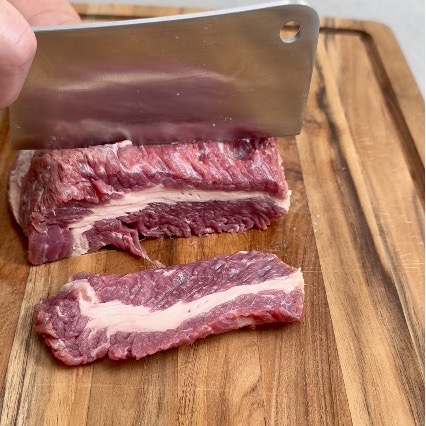
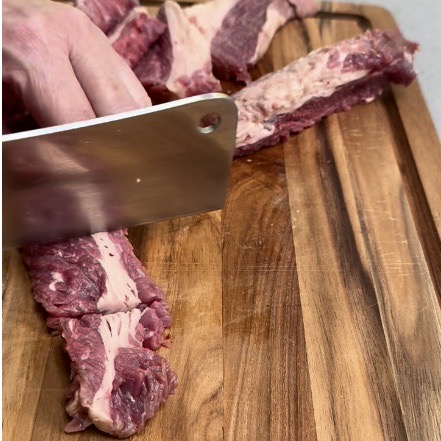
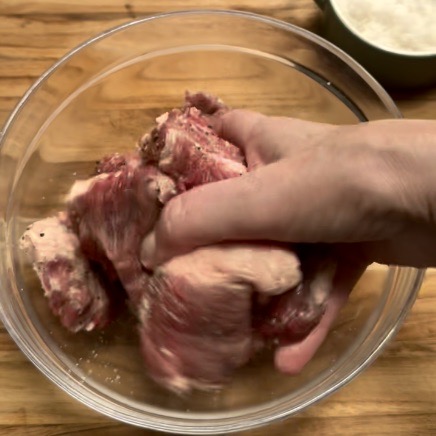
Cut the brisket into large pieces and season with salt and black pepper.
Add 25 g of the butter to a Dutch oven over medium high heat. Brown the beef on all sides, working in batches to avoid overcrowding the pan. Transfer each browned batch to a plate.
Browning gives the meat a deep color and creates a flavorful base in the pot.
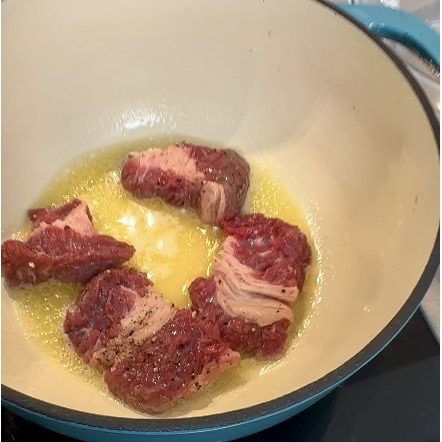
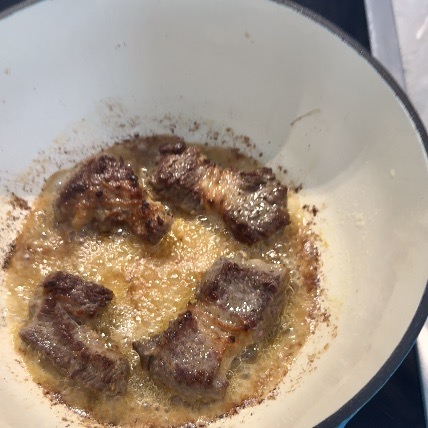
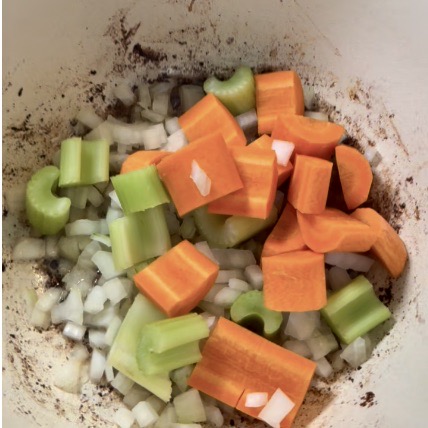
After browning the final batch, remove it from the pot and reduce the heat to medium.
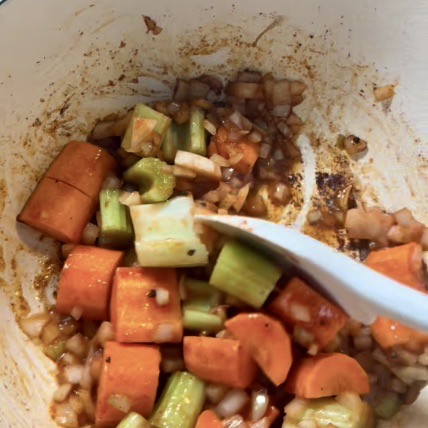
Add the onion, carrot and celery. Cook for 3 to 5 minutes, until the onion begins to turn translucent.
Add the tomato paste and stir, scraping the browned bits from the bottom of the pot.
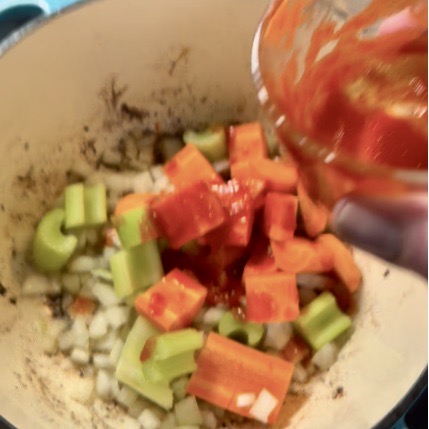
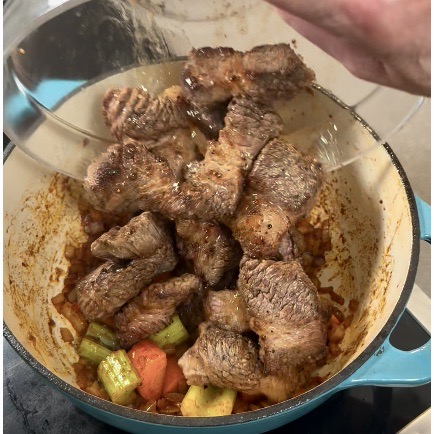
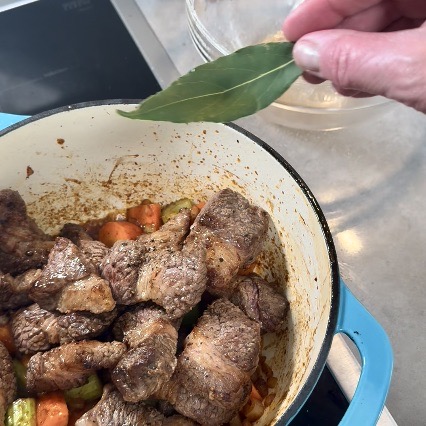
Return the beef to the pot and add the bay leaf. Stir to combine.
Pour in the red wine and homemade veal stock.
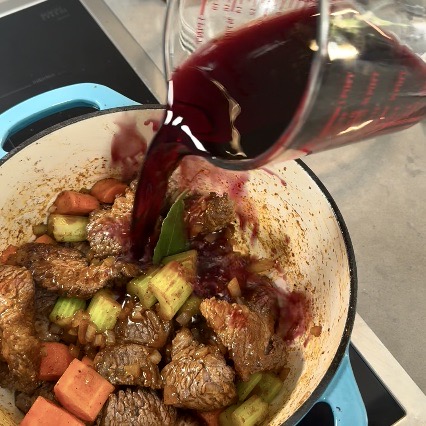
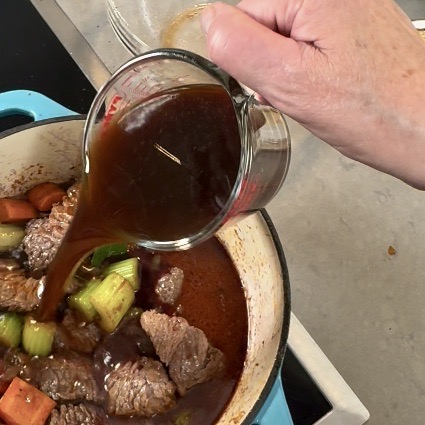
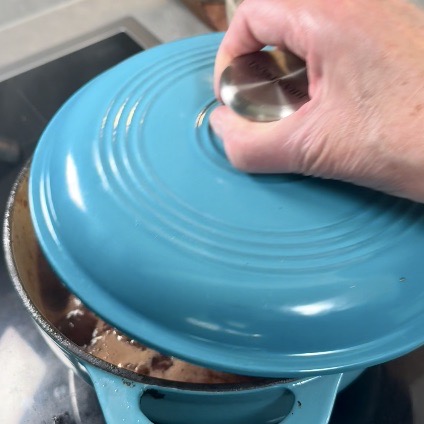
Bring the liquid to a boil. Cover the Dutch oven, place it in the oven and braise the beef for 3 hours, stirring occasionally.
Making the Hutspot
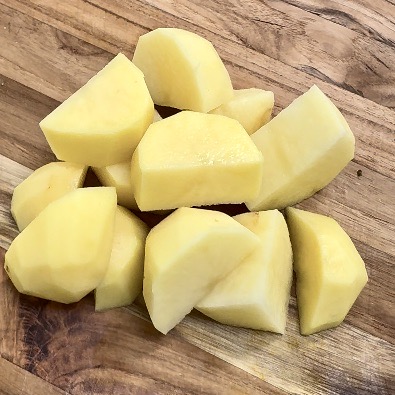
Cut the potatoes and carrots into chunks and dice the onions.
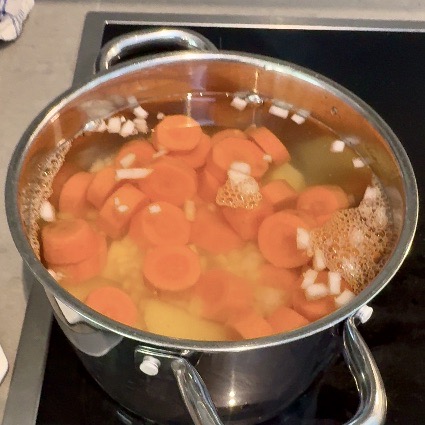
Place all the vegetables in a large saucepan and cover them with water. Bring the water to a boil, then reduce the heat to a gentle boil and cook until the vegetables are tender.
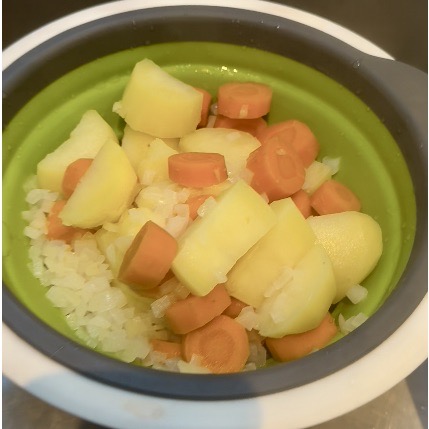
Meanwhile, gently heat the butter and milk together until the butter has melted.
Once the vegetables are tender, drain them and reserve 60 ml of the cooking water.
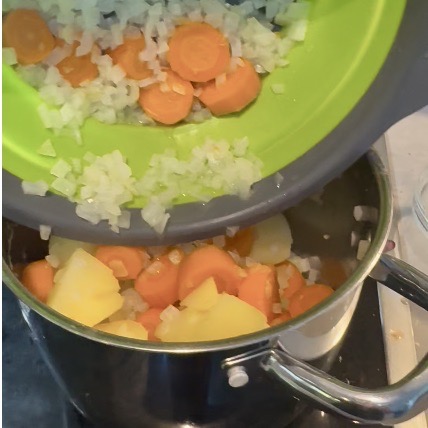
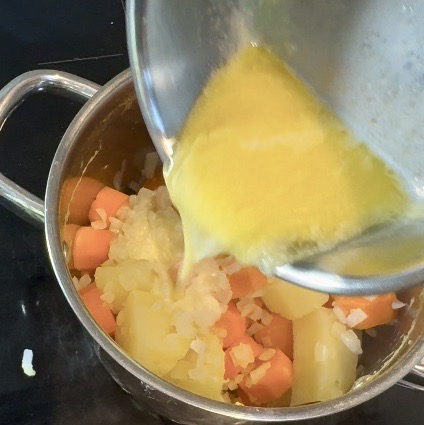
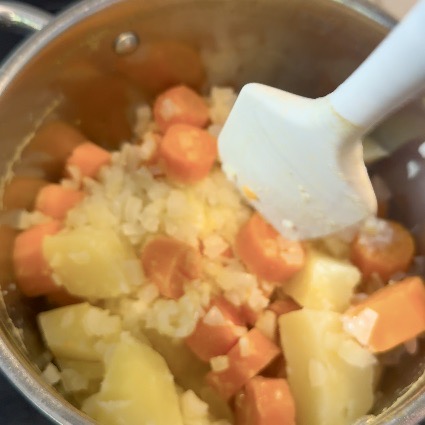
Return the vegetables to the saucepan. Add the warm butter and milk, then roughly mash everything together. Leave some texture rather than making the mixture completely smooth.
If the hutspot seems too dry, add a little of the reserved cooking water. Season with salt and white pepper.
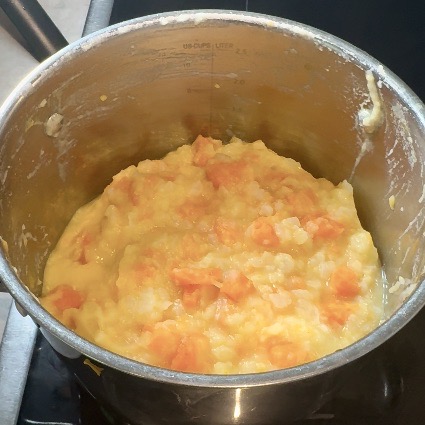
The carrots give the potatoes a soft golden color and gentle sweetness, while the onions add another layer of flavor.
Finishing the Gravy
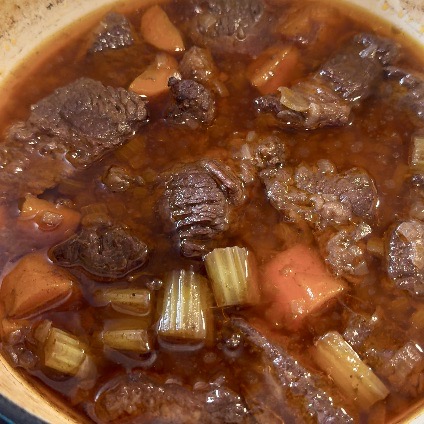
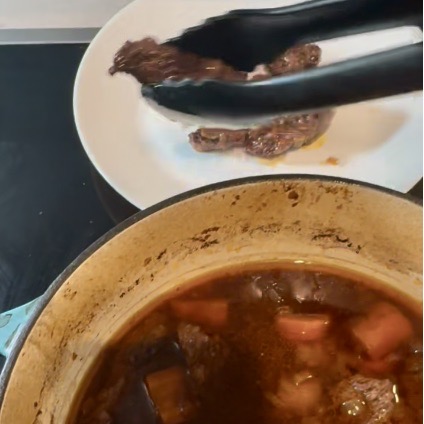
Once the beef is tender, remove it from the pot and keep it warm.
Add 30 ml of Ruby port to the braising liquid.
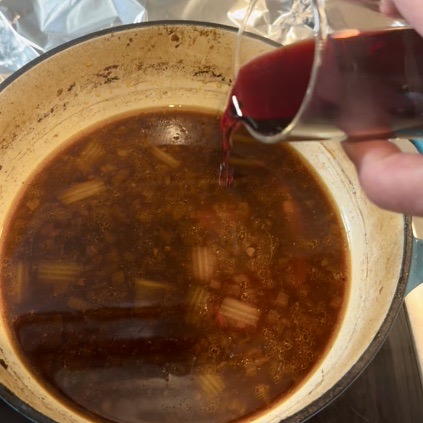
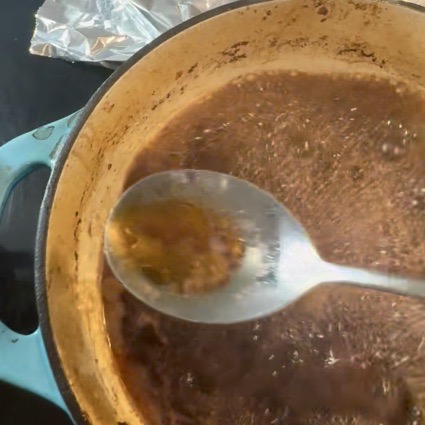
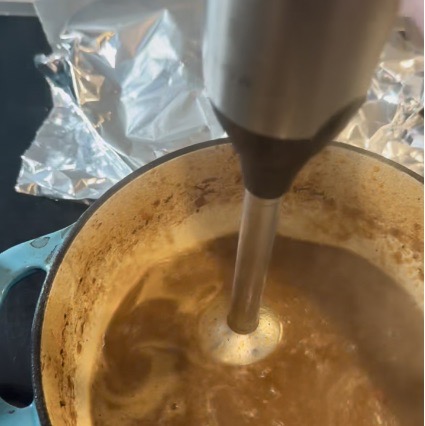
Use an immersion blender to purée the vegetables into the braising liquid, creating a smooth, rich gravy without flour or another thickener.
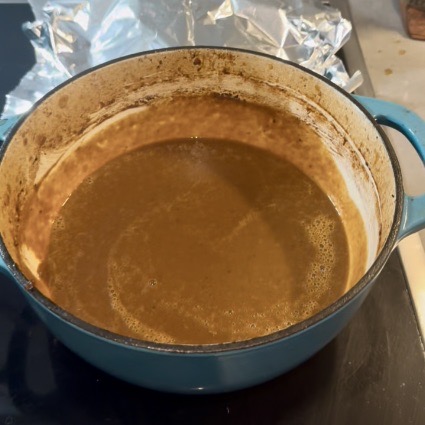
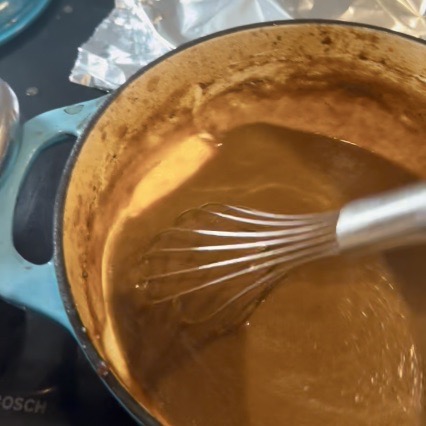
Add the remaining 50 g of butter and whisk until the gravy is smooth. Taste and adjust the seasoning before serving.
Bringing It Together
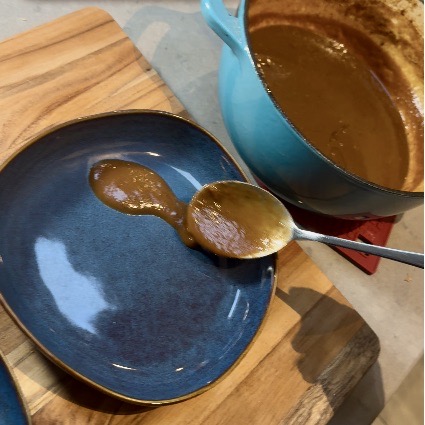
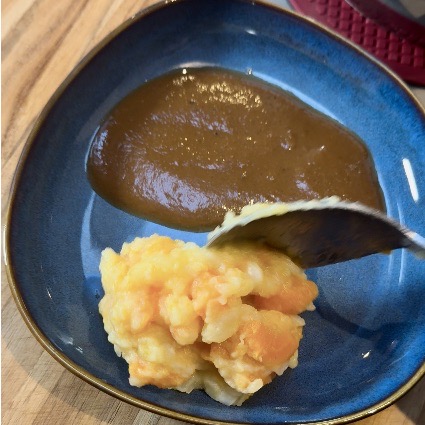
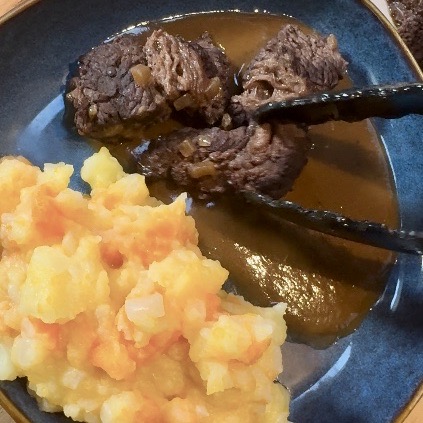
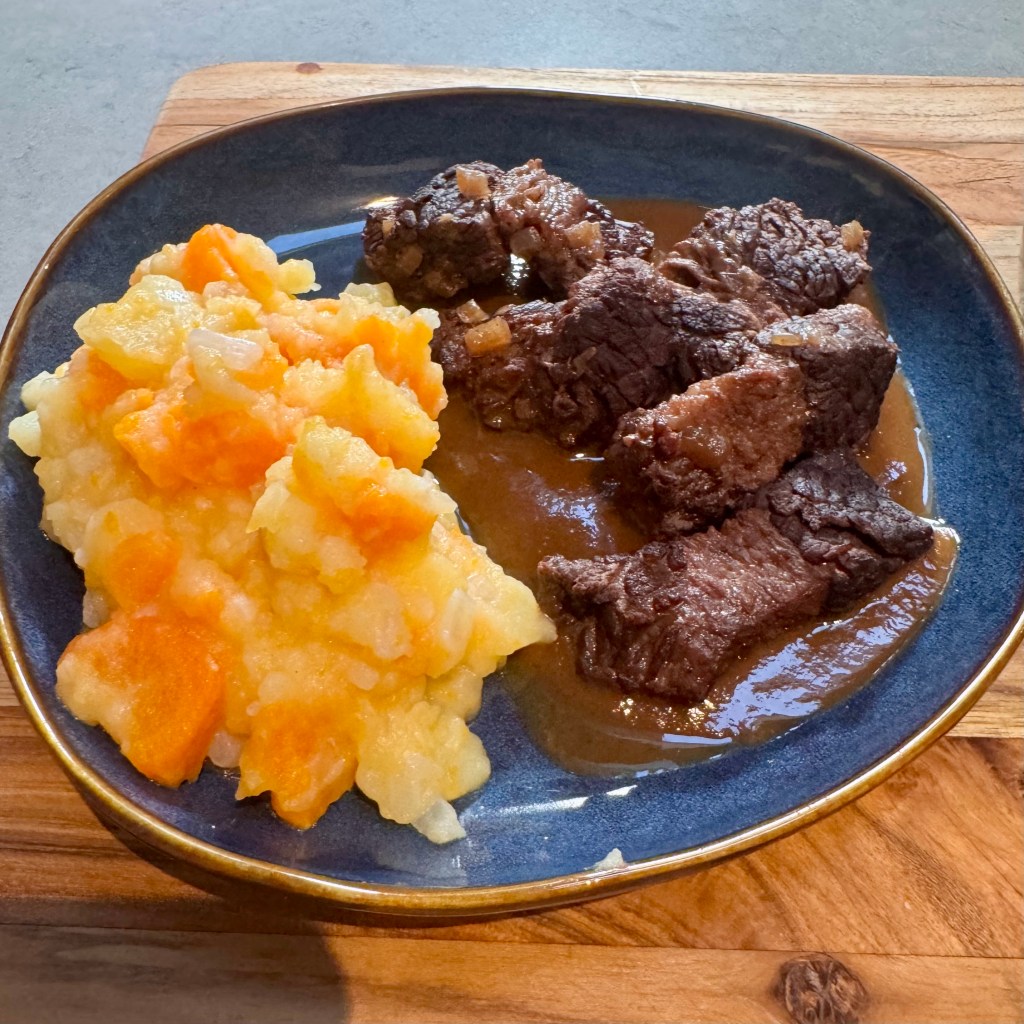
Spoon the hutspot onto each plate. Add the tender beef and finish with plenty of gravy.
How It Turned Out
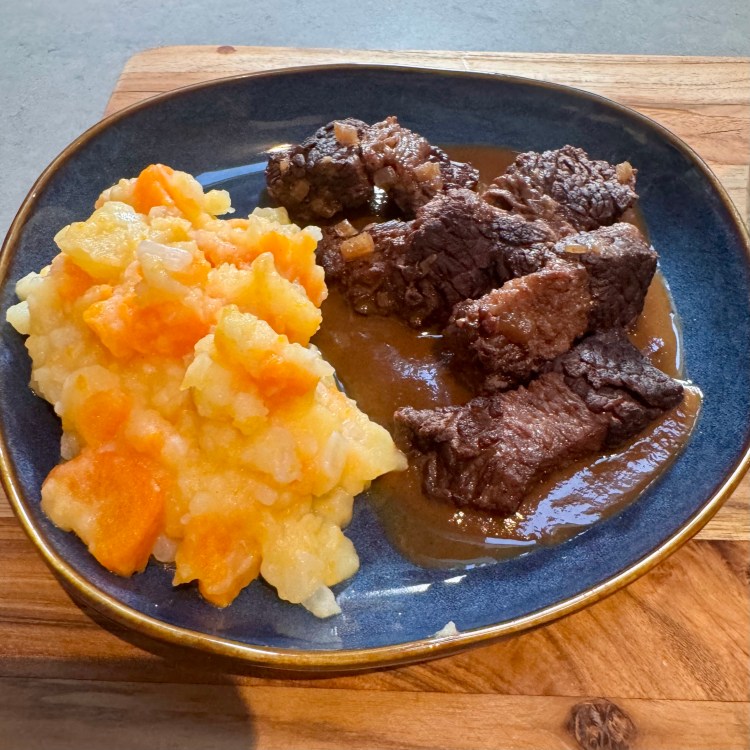
The hutspot was rustic, comforting and full of flavor. The potatoes and carrots were creamy without being completely smooth, and their gentle sweetness balanced the richness of the beef.
The brisket was tender, and the gravy brought everything together. Puréeing the braising vegetables into the liquid gave the gravy body while preserving all the flavor that had developed during cooking. The Ruby port added another layer of richness.
It was definitely the homestyle meal I had hoped for. Simple ingredients, slowly cooked, became something deeply satisfying.
The dish brought back memories of our visits to the Netherlands and gave me another reason to return, this time for a proper visit to Leiden.
From My Kitchen
- I used beef brisket for the klapstuk.
- I browned the beef before braising it to add color and deepen the flavor.
- I substituted my homemade, unsalted veal stock for the beef stock.
- I left some texture in the hutspot rather than mashing it completely smooth.
- I added 30 ml of Ruby port to the braising liquid after removing the cooked beef.
- I puréed the braising vegetables into the liquid to make a rich, smooth gravy.
This is a comforting dish that would be especially welcome on a cold autumn or winter evening.
 Liz 'N Lux