Our visit to Thailand was a special one. We were celebrating our 25th wedding anniversary, and we rang in the New Year there. What a wonderful way to begin a new year together.
We arrived in Bangkok, and wow. What an experience.
Experiencing Bangkok



We took a boat tour along the Chao Phraya River and travelled through the Thonburi canals. From the water, we saw another side of Bangkok. Boats moved along the busy river while homes, temples and everyday life lined the quieter canals.

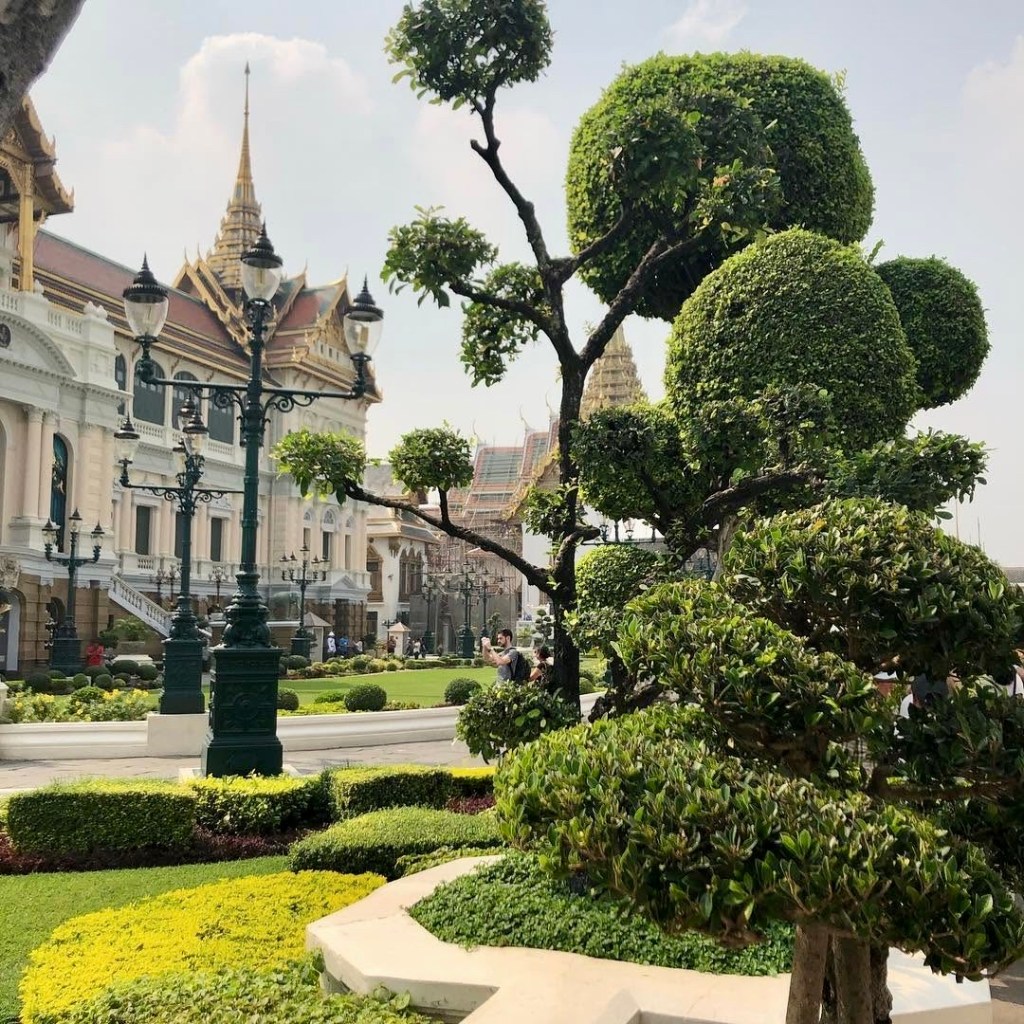
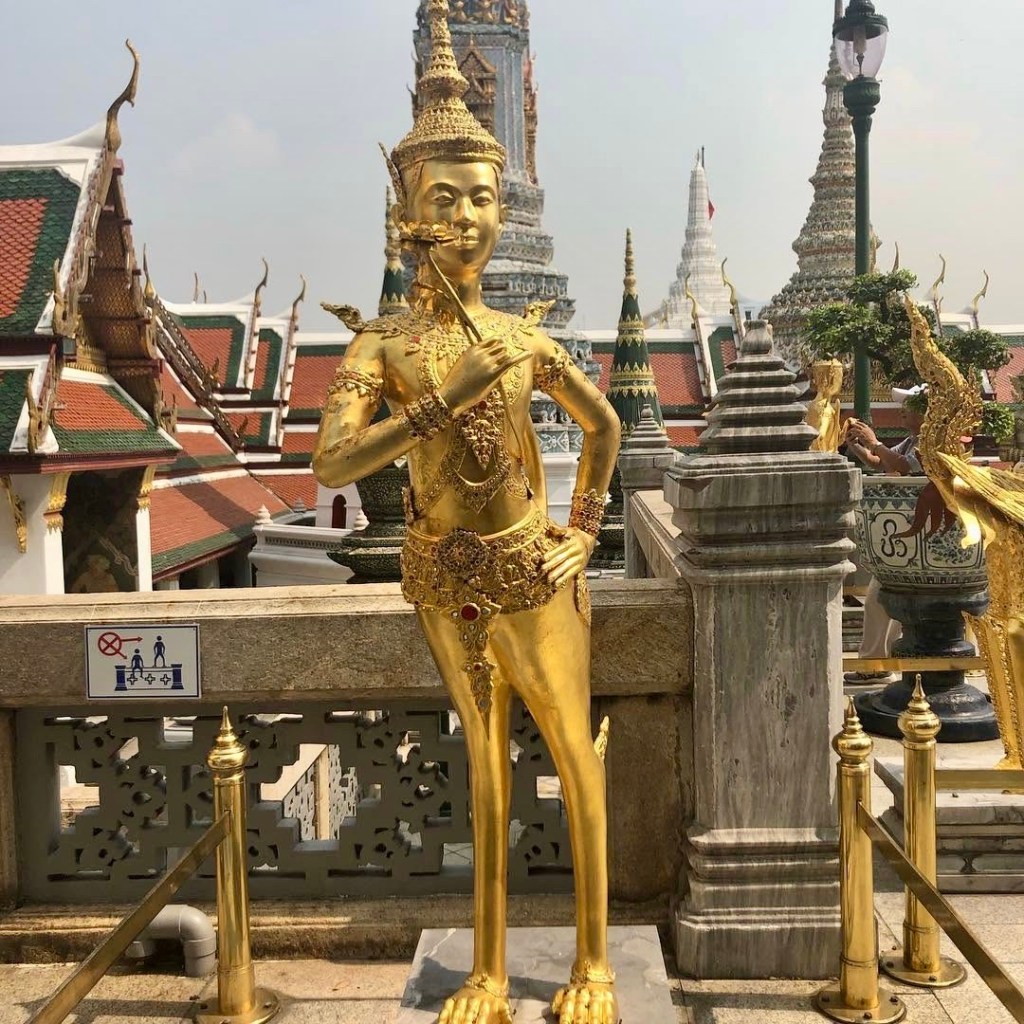
We visited Wat Arun, the Grand Palace and Wat Phra Kaew. The temples were magnificent. Everywhere we looked, there was another intricate detail, golden statue or beautifully scluptured garden.
We tried to absorb it all while appreciating the peaceful atmosphere of these sacred places.
What stayed with us most was the warmth of the Thai people. They were among the most gracious, kind and generous people we have met during our travels.
Bangkok by Tuk Tuk


One evening, we took a night Tuk Tuk tour through Bangkok.
It was fun, fast and a little wild. The colourful lights and rush of speeding around the city made the evening feel lighthearted, while every stop introduced us to another part of Bangkok’s food culture.
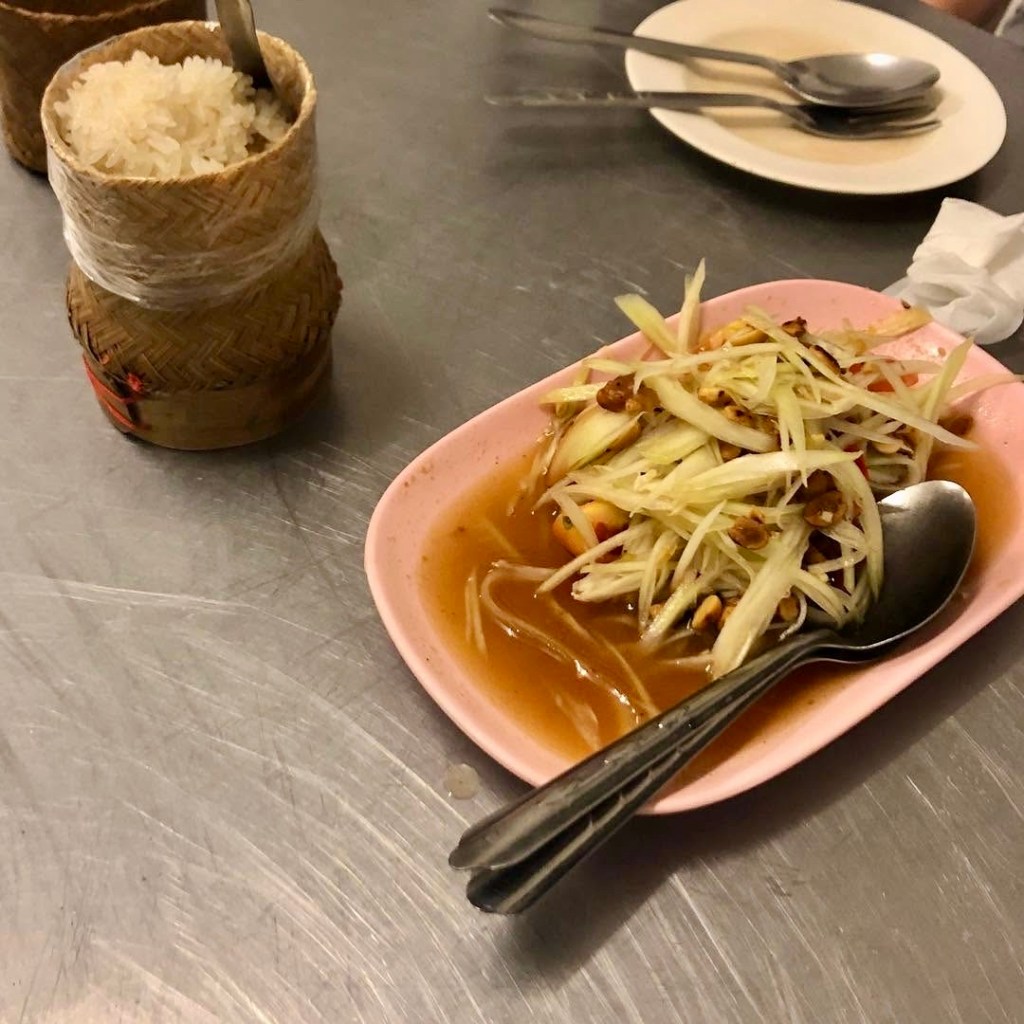
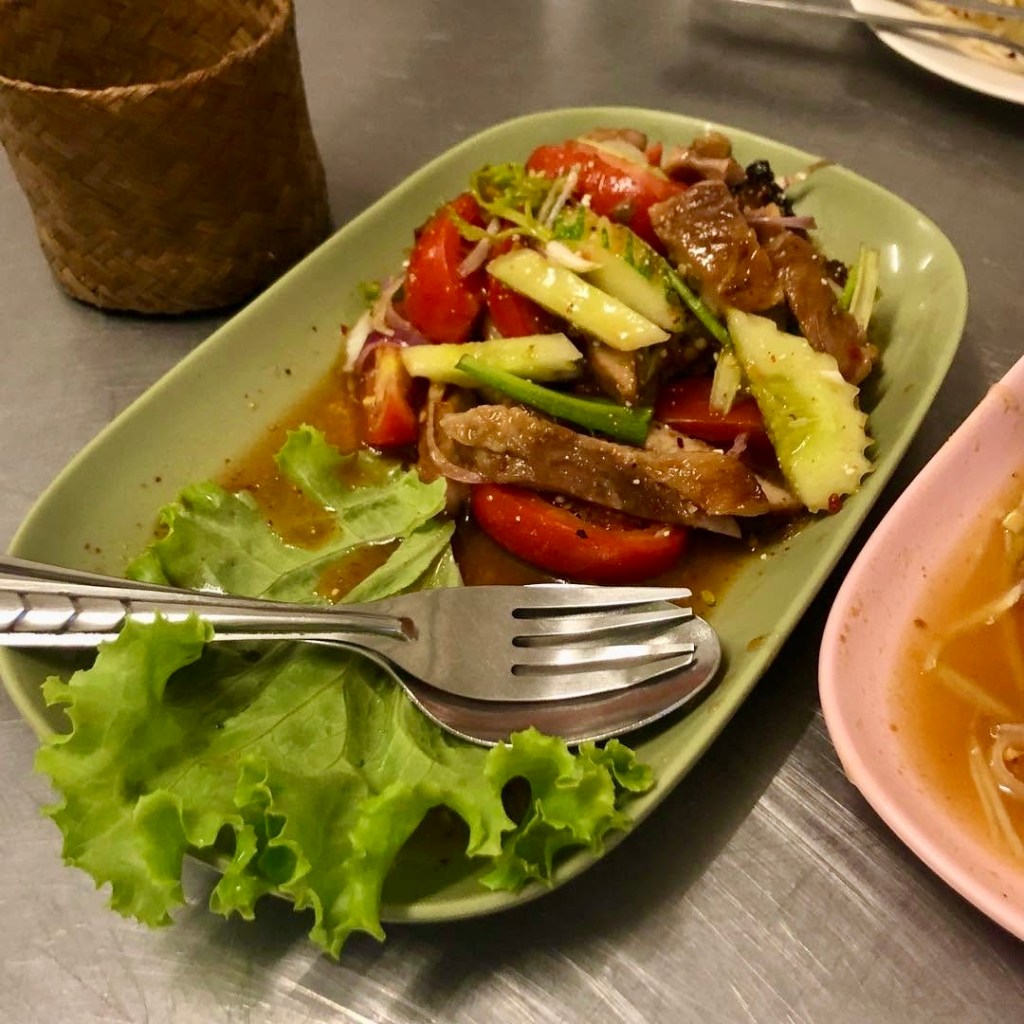
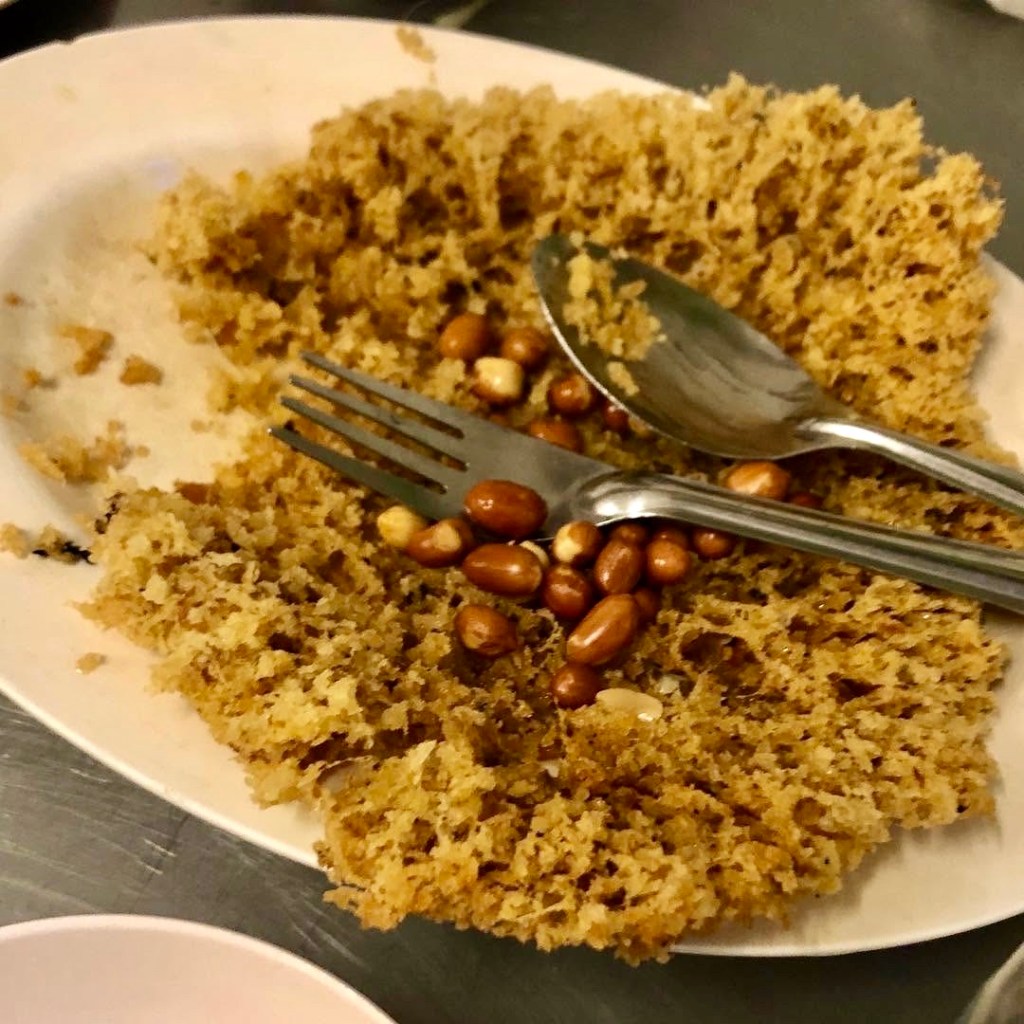
We sampled so many delicious and authentic Thai dishes. Each place was special and unique in its own way. We ate papaya salad, grilled meats, crispy catfish, Thai crepes, sweets and so much more! It was unlike anything we had tasted before.
The food was simple, fresh and full of flavor.
This is what I remember most about our time in Bangkok. Sitting alongside locals at small tables, sharing dishes and tasting food prepared by people who make it every day.
Food connects us all.
A Lotus to Remember
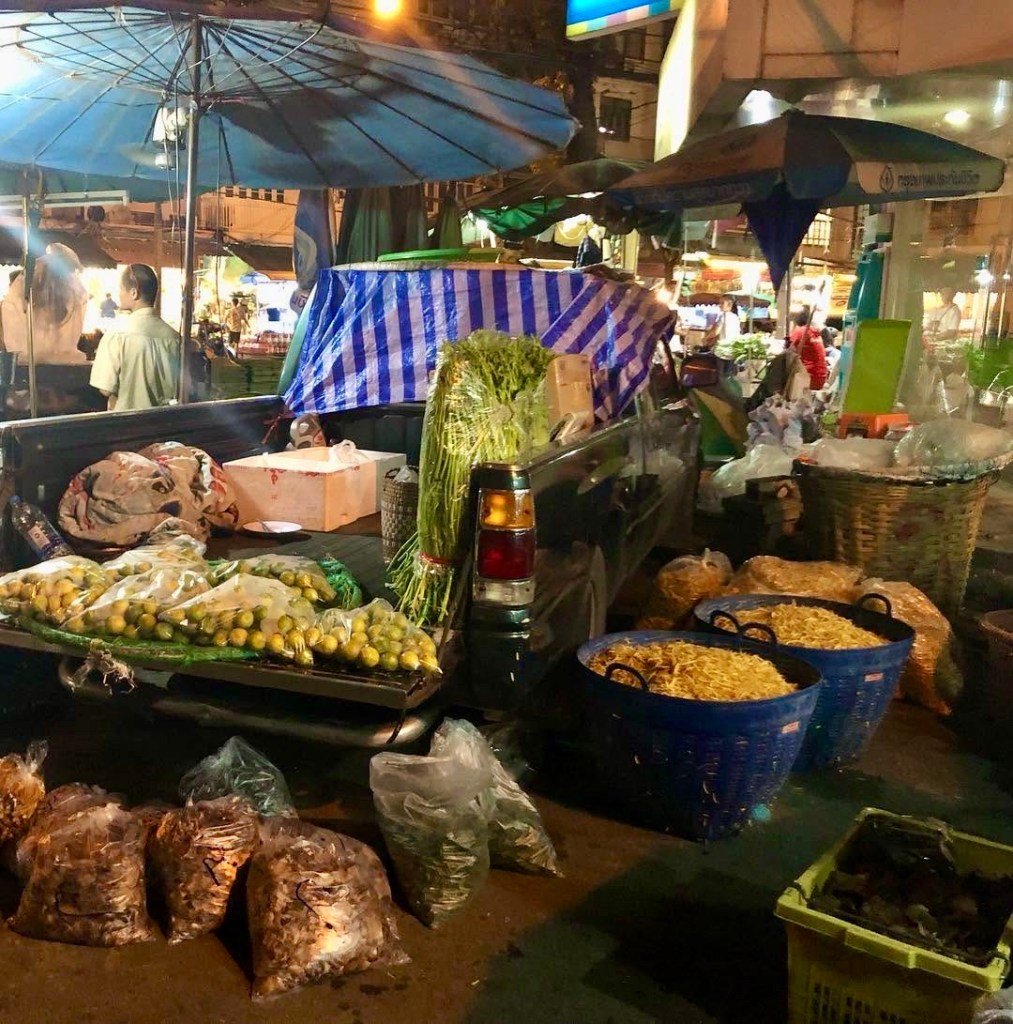
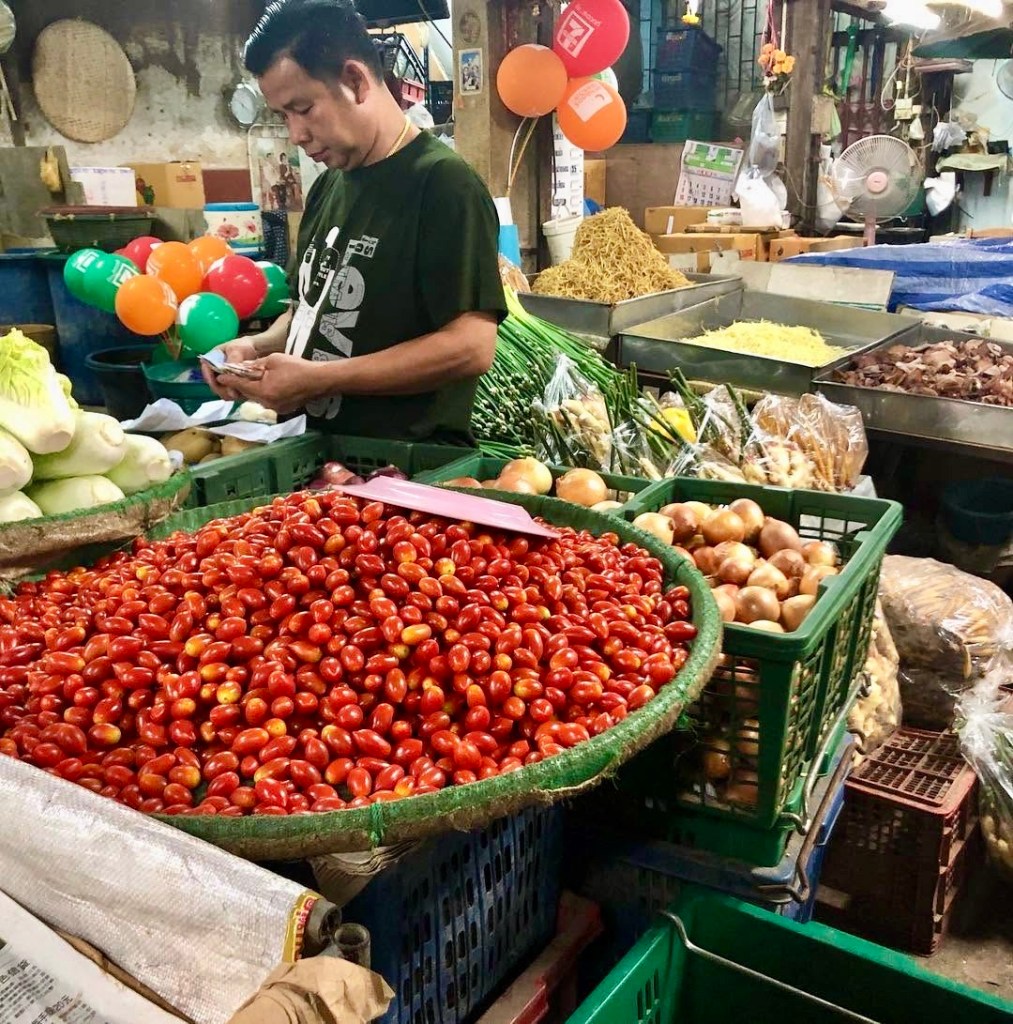
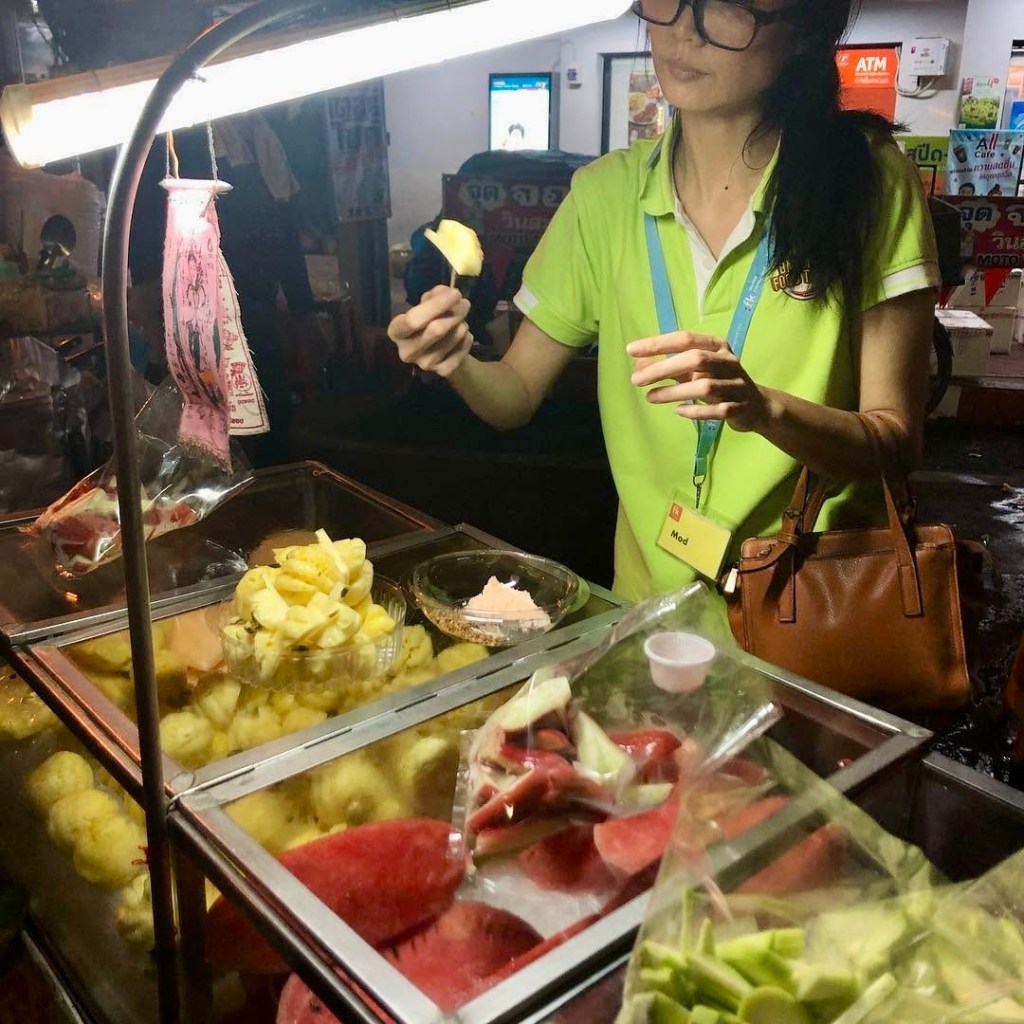
We also visited the night market and marvelled at the fresh produce, flowers and activity all around us.
There, we met a lovely woman selling lotus flowers. She showed us how to fold the petals in the traditional Put Tan style. We watched as an ordinary lotus bud was carefully transformed into something even more beautiful.
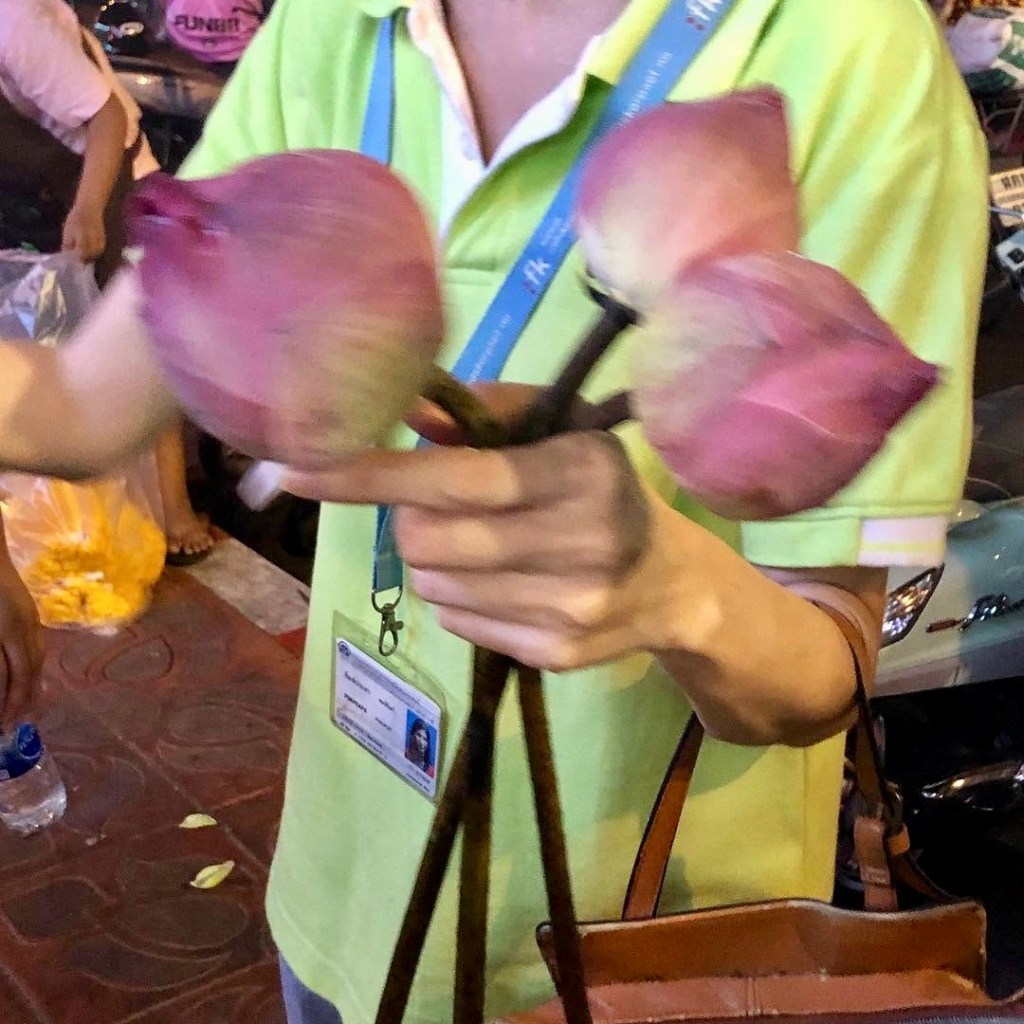
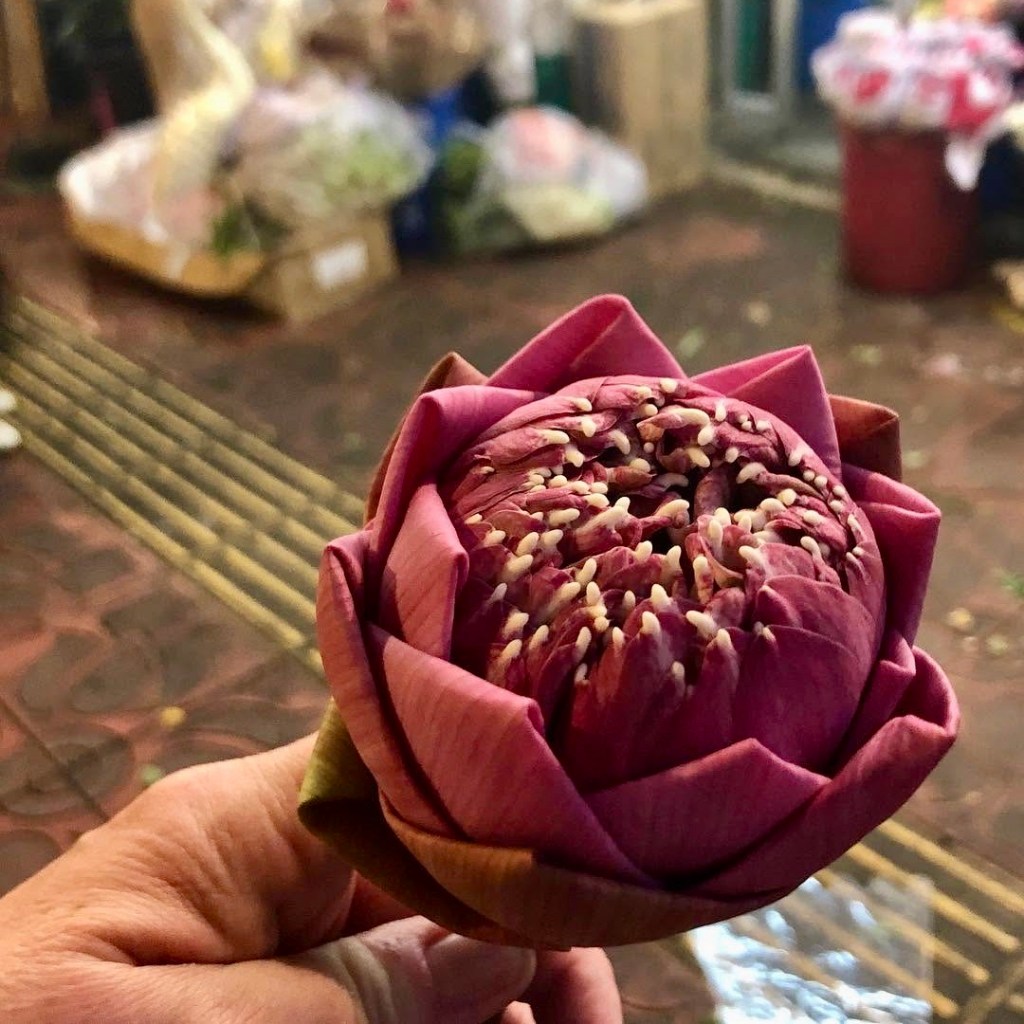
Folding the petals felt mindful and artistic. The lotus is closely connected to Buddhist tradition and is often presented as an offering.
We kept our folded lotus flowers and placed them at the feet of a Buddha we visited the following day.
It was a small moment, but one I have never forgotten. The spiritual traditions we experienced in Thailand were beautiful, soulful and calming.
Bringing Bangkok Home
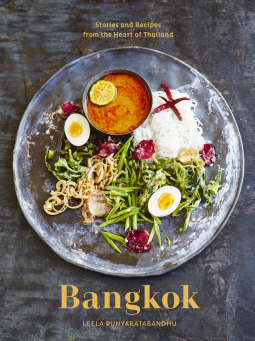
When I chose Bangkok: Recipes and Stories from the Heart of Thailand by Leela Punyaratabandhu, I was drawn to its stories about everyday food culture in Bangkok.
The author also lives in Chicago, where I was born and raised. I am always drawn to those full circle moments.
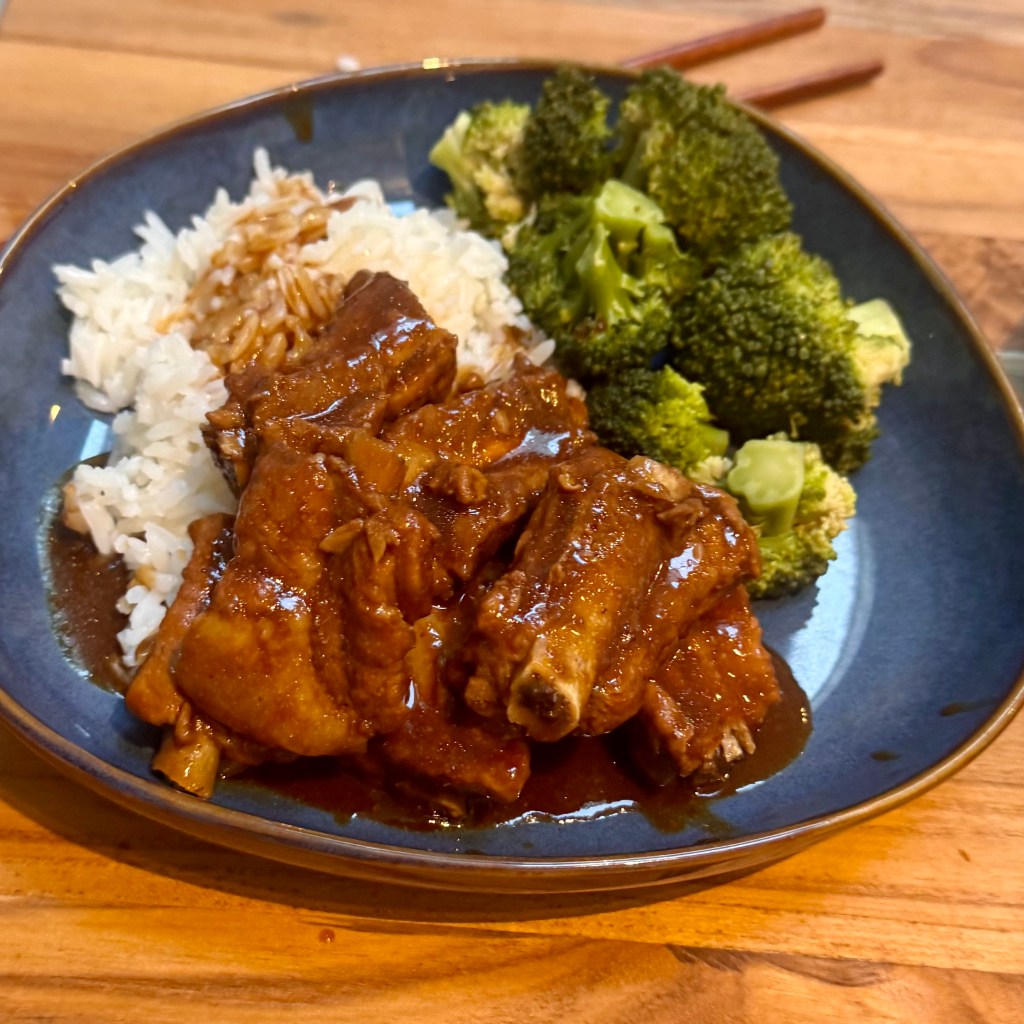
The first dish I made was Braised Spareribs in Salted Soybean Sauce. I chose it because it reminded me of the simple, deeply flavored food we experienced during our Bangkok street food tour.
I had to make a few substitutions. I could not find dark salted soybean paste, so I used salted soybeans and increased the dark soy sauce slightly. I used Muscovado sugar in place of rock sugar and dry sherry instead of Shaoxing wine. I also used cilantro stems in place of cilantro roots and doubled the amount to compensate.
The ribs were incredibly tender and fell easily from the bone. The sauce was savory and comforting. It was good, simple comfort food, and we enjoyed it.
I am looking forward to making it again once my local Asian Market has dark salted soybean paste, cilantro roots and Shaoxing wine in stock.
This is what I enjoy most about cooking. I try a recipe, learn from the process and make adjustments when needed. Sometimes it also inspires me to create a dish of my own.
Cooking these spareribs brought a little of Bangkok back into my kitchen. The temples, the boats, the night markets, the rush of the Tuk Tuk and all the food we shared along the way.
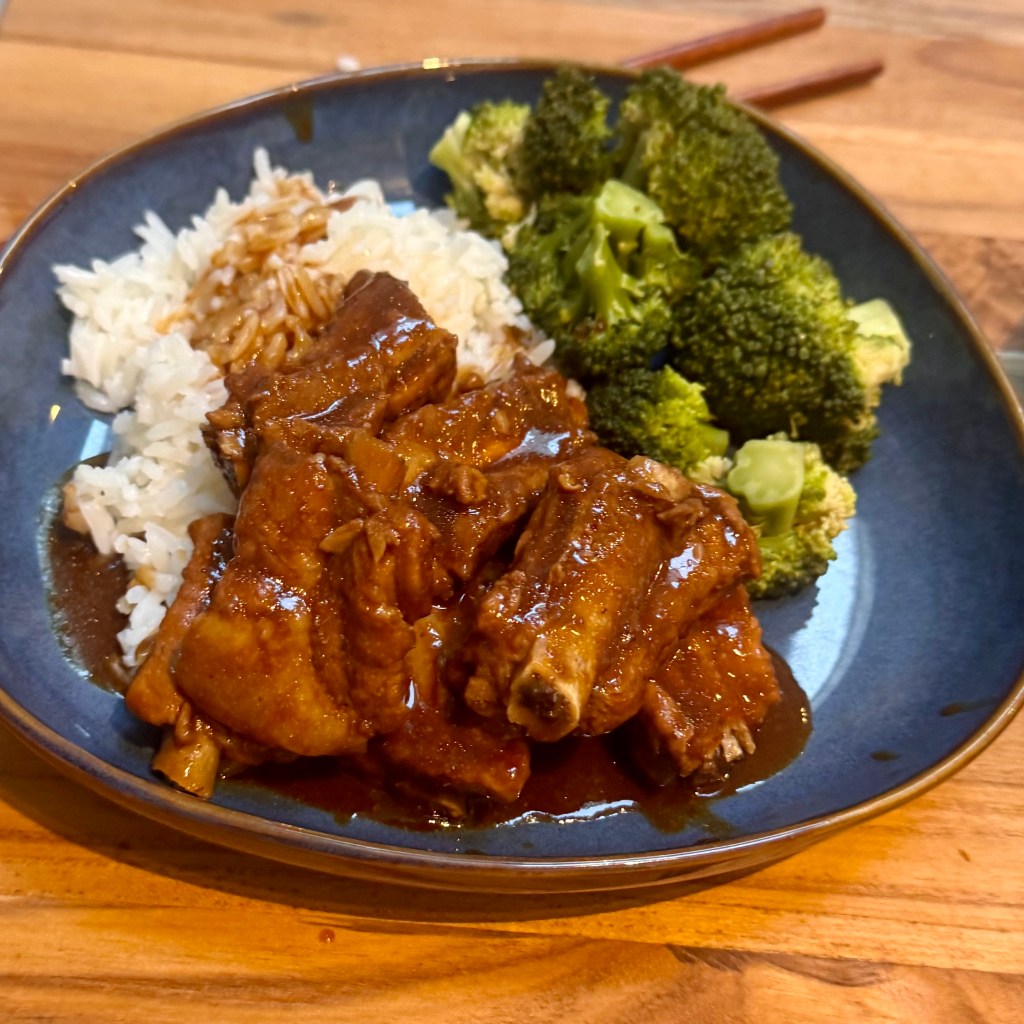
Braised Spareribs in Salted Soybean Sauce
Serves 4
Ingredients
2 pounds pork spareribs
2 inch piece fresh ginger
2 tablespoons oyster sauce
2 1/2 tablespoons salted soybeans
4 tablespoons chopped cilantro stems
4 large garlic cloves
1/2 teaspoon ground white pepper
2 tablespoons light soy sauce
1-1/2 tablespoon dark soy sauce
2 tablespoons Shaoxing wine or dry sherry
1 packed tablespoon Muscovado brown sugar
Water as needed to barely cover the ribs
For the slurry
1 tablespoon cornstarch
1/4 cup water
Method
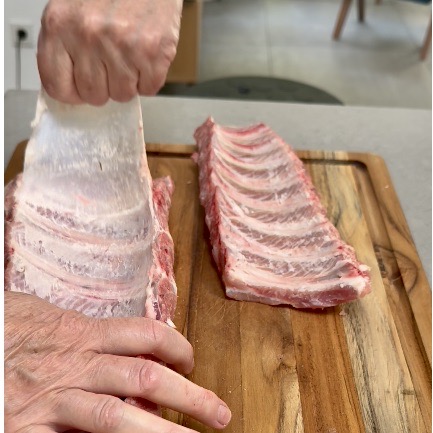
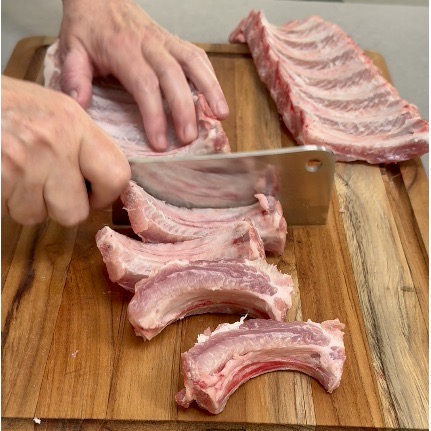
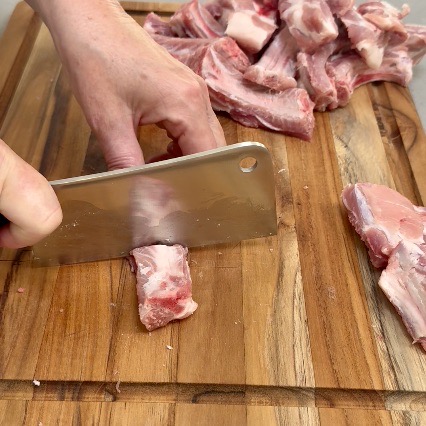
Remove the membrane from the back of the spareribs. Cut between the bones to separate the ribs. Using a heavy cleaver, carefully cut each rib in half. Set aside.
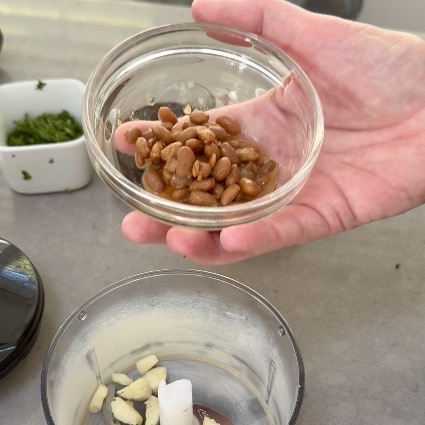
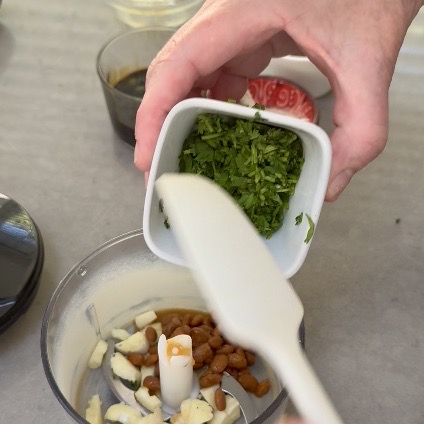
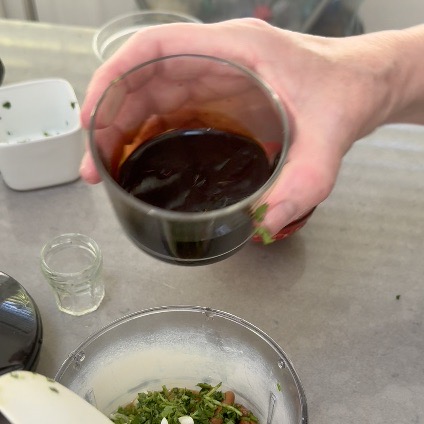
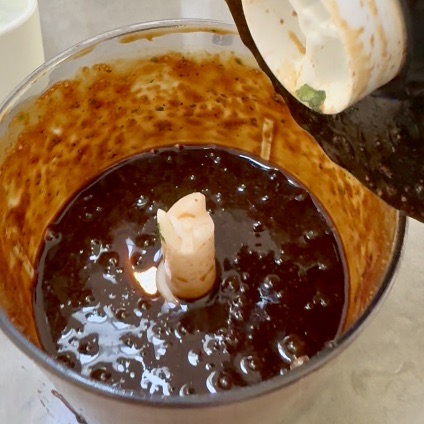
Add the oyster sauce, salted soybeans, cilantro stems, garlic, white pepper, light and dark soy sauce, Shaoxing wine and brown sugar to a food processor. Process until smooth. Set aside.
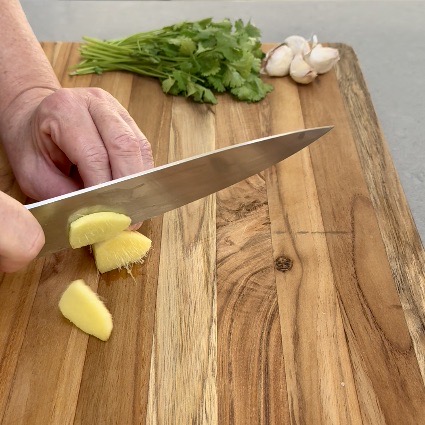
Peel and slice the ginger.
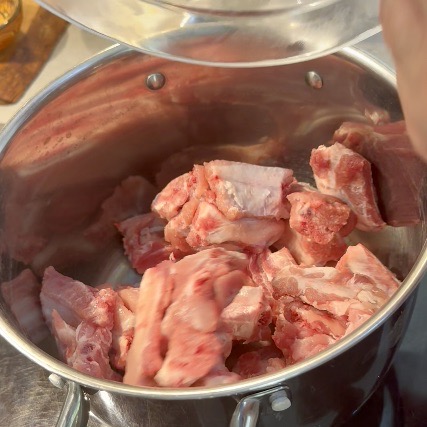
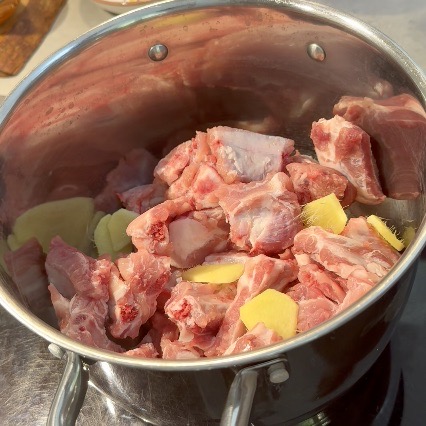
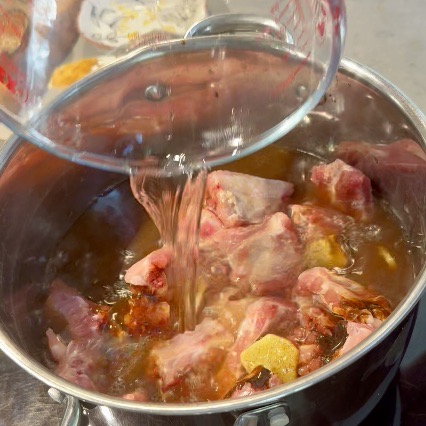
Place the ribs in a large pot. Add the ginger and prepared sauce, then mix well to coat the ribs.
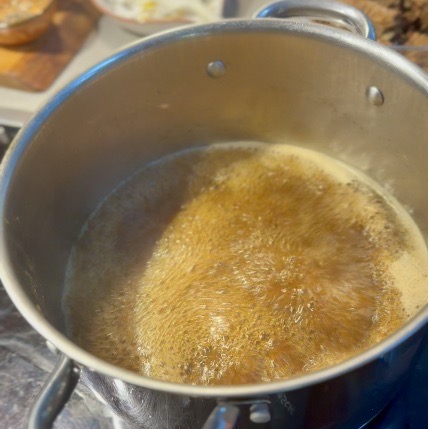
Add just enough water to barely cover the ribs. Bring the liquid to a boil, then reduce the heat to a gentle simmer. Cover and simmer for one hour, stirring occasionally.
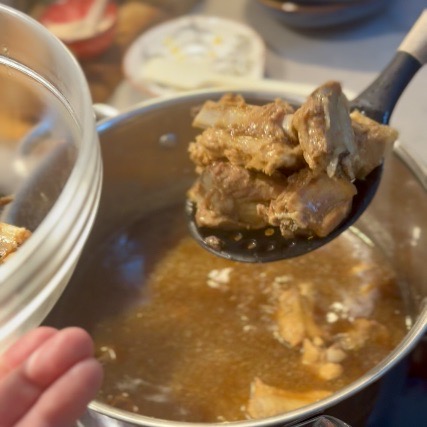
Remove the ribs from the cooking liquid and set them aside.
Bring the liquid to a boil and reduce it by half. Taste the sauce. If it is flavorful, stop reducing. If it still tastes weak, continue reducing until the flavor is where you want it.
If necessary, add a little more oyster sauce. Be careful, as too much can make the finished sauce overly salty.
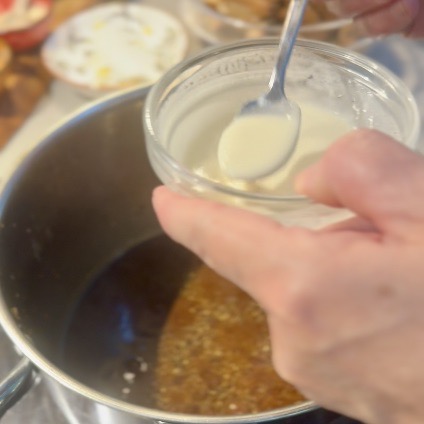
Mix the cornstarch and water together to make a slurry. Slowly pour some of the slurry into the cooking liquid while whisking continuously. Simmer over low heat until the sauce begins to thicken.
Add more slurry only if necessary. The finished sauce should remain fairly light and pourable, rather than becoming thick like gravy.
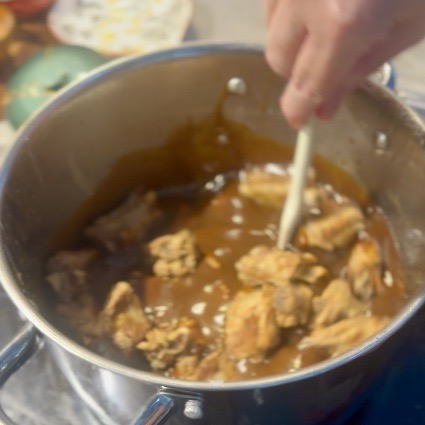
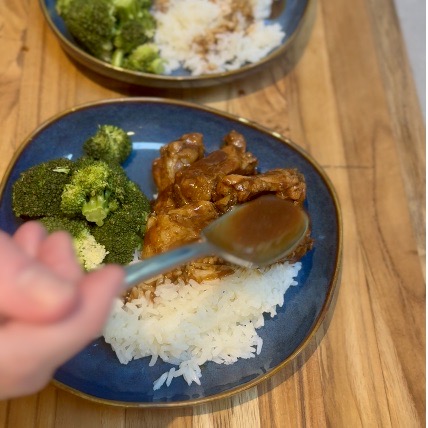
Return the ribs to the pot and gently heat them through.
Serve over Thai jasmine rice with broccoli.
From My Kitchen
- This recipe uses a traditional braising method. The ribs go directly into the seasoned liquid without being browned first. They became incredibly tender and fell easily from the bone.
- I could not find dark salted soybean paste, so I used salted soybeans and increased the dark soy sauce slightly.
- I used Muscovado sugar instead of rock sugar and dry sherry instead of Shaoxing wine.
- Cilantro roots were unavailable, so I doubled the amount and used cilantro stems instead.
- Reducing the cooking liquid after removing the ribs is important. Taste as it reduces and stop when the flavor is where you want it.
- The cornstarch slurry should be added gradually. The finished sauce should remain light and pourable, not thick like gravy.
- Will I make it again? Yes. It was tender, savory and comforting. I would especially like to make it again with dark salted soybean paste, cilantro roots and Shaoxing wine.
 Liz 'N Lux