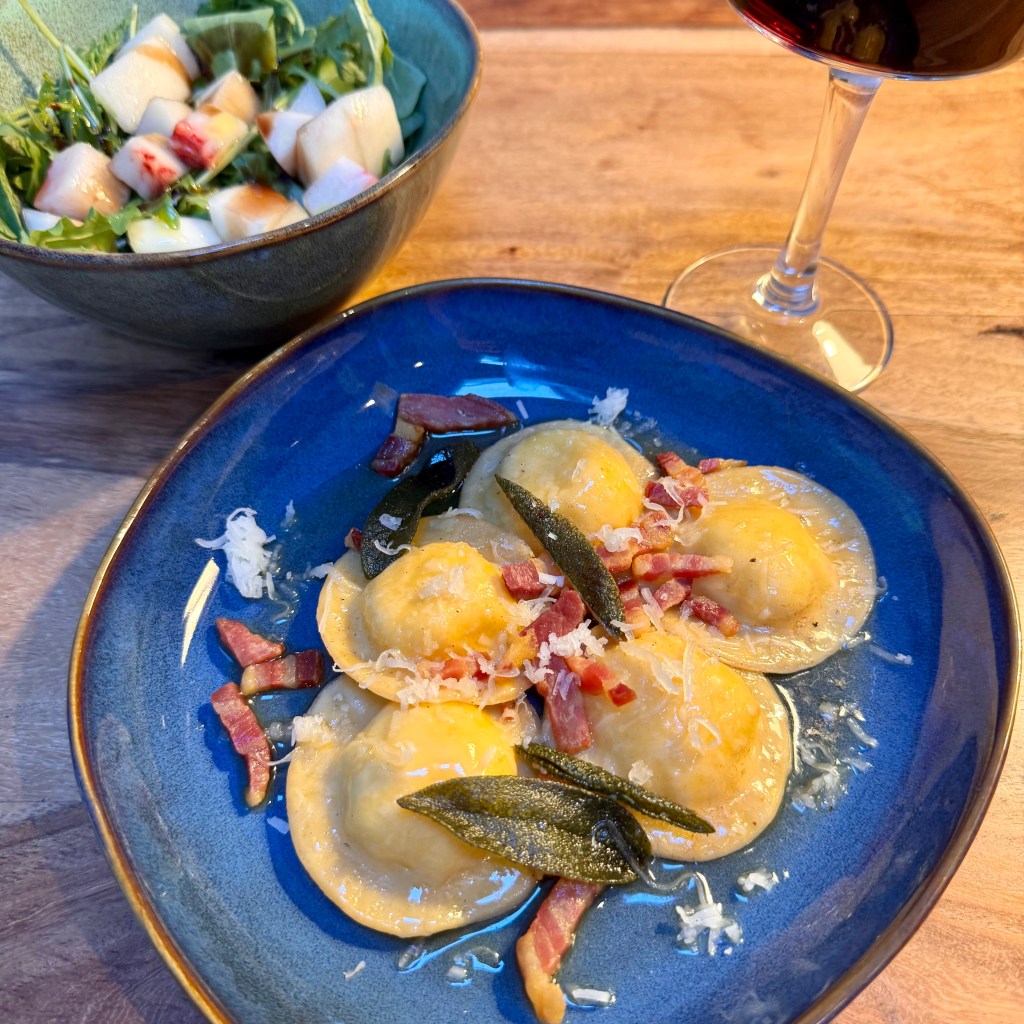
Handmade ravioli filled with ricotta, fontina, provolone and Parmesan, served with crispy pancetta and sage brown butter.
Making pasta at home is one of those things that becomes easier the more often you do it. You begin by following a recipe carefully. Eventually, you understand how the dough should feel, how thinly it needs to be rolled and how much filling each piece can hold.
That is when you can begin making it your own.
For these ravioli, I combined ricotta, fontina, provolone and Parmesan. I began by removing as much liquid as possible from the ricotta because I didn’t want the filling to be too wet.
I also grated the cheeses myself. This is important. Pre-shredded cheese often contains a coating that prevents it from clumping in the package, but it can also keep the cheese from blending and melting as smoothly. Freshly grated cheese is worth the extra effort.
I gradually added the grated cheeses and garlic to the ricotta, tasting as I went. I stopped when the flavours felt balanced and the filling was firm enough to shape.
I served the ravioli with crispy pancetta and sage brown butter. I added some of the rendered pancetta fat to the butter. Once it began to foam, I added a few whole garlic cloves and the sage leaves.
As the sage crisped and the garlic softened, I watched them carefully and removed them before they could burn and make the butter bitter. I reserved the crisp sage leaves to use as a garnish.
The brown butter and a little pasta water brought everything together in the pan.
This is less about following an exact recipe and more about understanding the method. Once you do, you can change the cheeses, herbs and sauce according to what you enjoy and what you have in your kitchen.
What I Used
For the Ravioli
Fresh egg pasta dough
Ricotta
Fontina
Provolone
Parmesan
Fresh garlic
Freshly ground black pepper
Water for sealing the pasta
For the Sage Brown Butter
Pancetta
Butter
Reserved pancetta fat
Fresh sage leaves
Whole garlic cloves
Fresh lemon juice
Freshly ground black pepper
Parmesan for finishing
The Method
Make the Filling
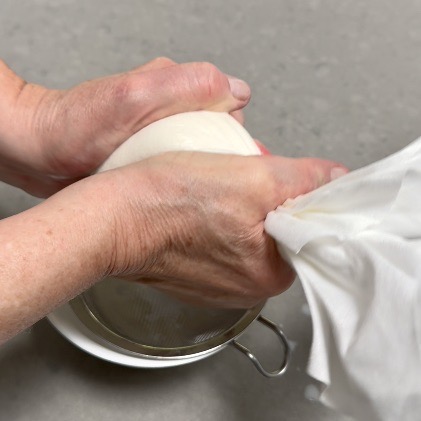
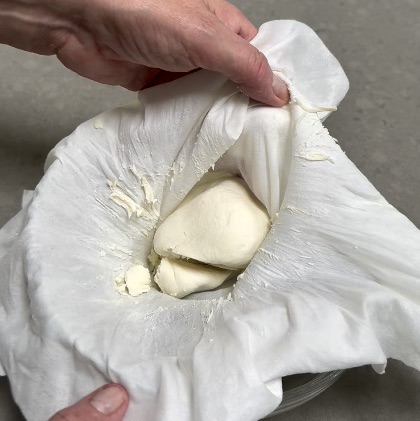
Wrap the ricotta in a clean cloth and gently squeeze out as much liquid as possible. This helps create a filling that is soft but firm enough to hold its shape.
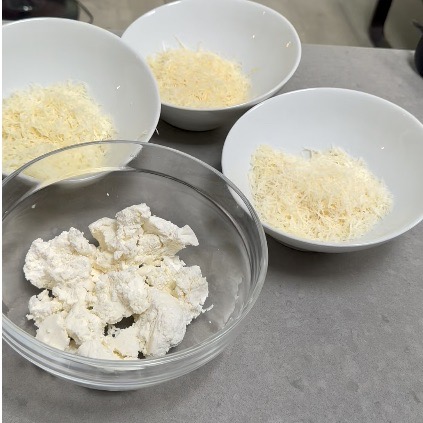
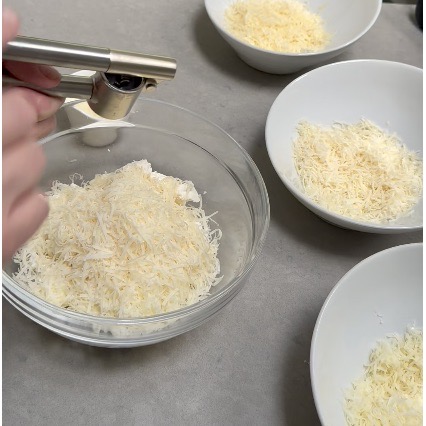
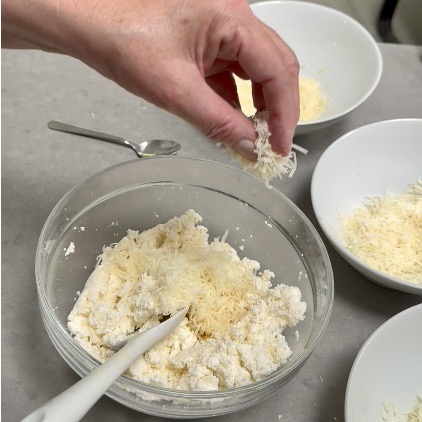
Finely grate the fontina, provolone and Parmesan. Begin with the drained ricotta and gradually add the other cheeses, a little pressed garlic and freshly ground black pepper.
Taste as you go. The ricotta provides the soft base, the fontina adds creaminess, the provolone brings a little sharpness and the Parmesan adds saltiness and depth.
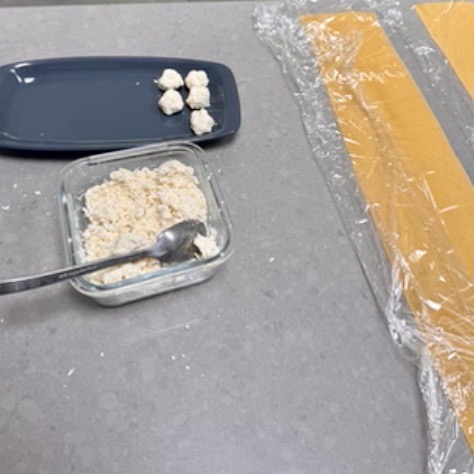
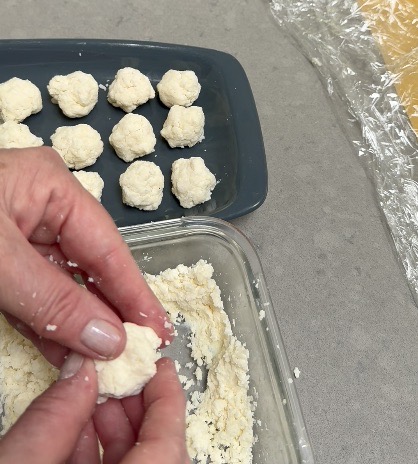
The filling should hold its shape without feeling dry. If it is too wet, add a little more grated cheese. If it is too firm, add a little more ricotta.
Form the filling into small balls before assembling the ravioli. This makes it easier to space the filling evenly and work quickly once the pasta is rolled.
Form the Ravioli
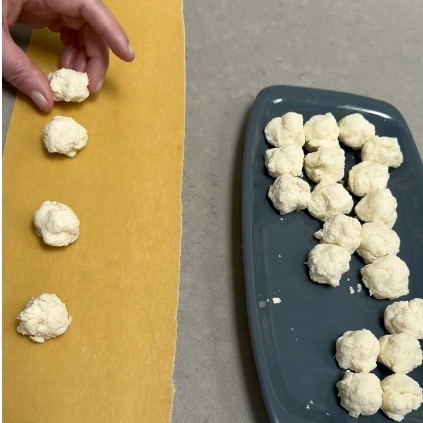
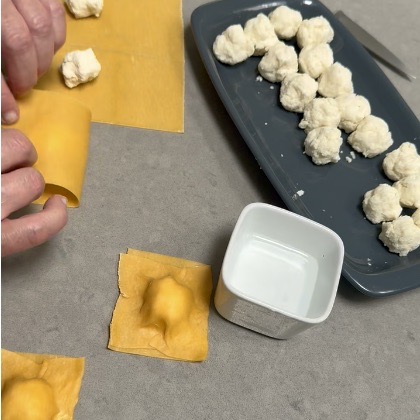
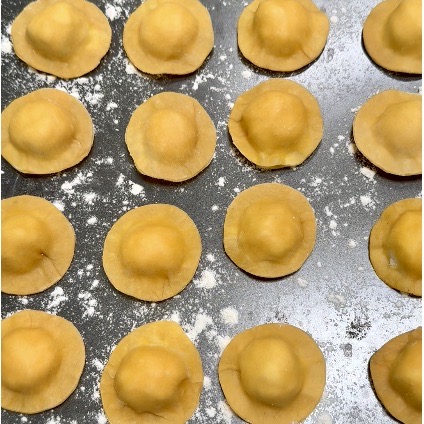
Roll the pasta into thin sheets. It should be thin enough to remain delicate after cooking but strong enough to hold the filling.
Place the portions of filling along one sheet, leaving enough room between them to cut and seal the individual ravioli.
Lightly moisten the pasta around the filling with water. Lay another sheet of pasta over the top and gently press around each mound, working outward to remove any trapped air.
Cut the ravioli and check that the edges are completely sealed. Place them on a lightly floured tray without allowing them to touch.
The ravioli can be cooked immediately or frozen in a single layer. Once frozen, transfer them to a freezer container and cook them directly from frozen when needed.
Prepare the Pancetta
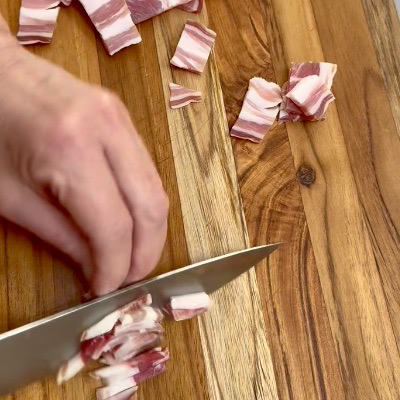
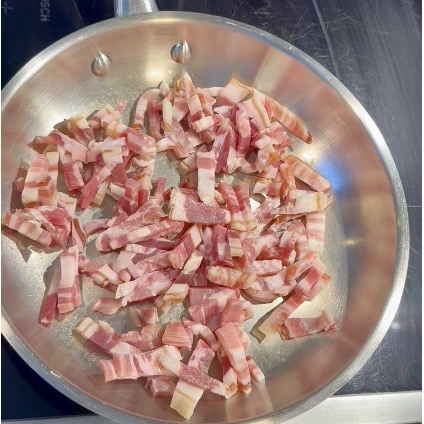
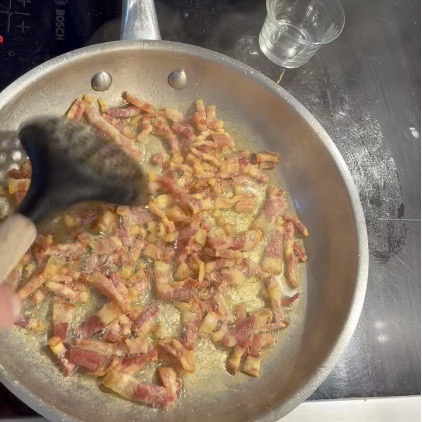
Cut the pancetta into small pieces and place it in a cold pan. Set the pan over medium-low heat and allow the pancetta to heat slowly. This gives the fat time to render while the pancetta becomes crisp without burning.
Remove the crispy pancetta from the pan and reserve some of the rendered fat for the sage brown butter.
Make the Sage Brown Butter
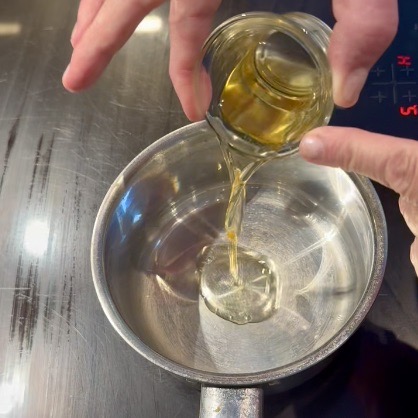
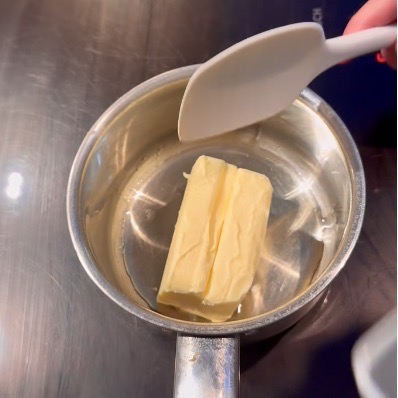
Add some of the reserved pancetta fat to the butter and melt it over medium heat.
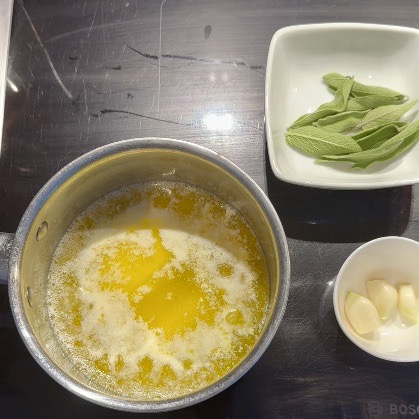
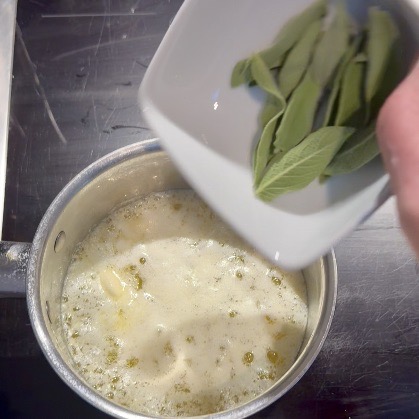
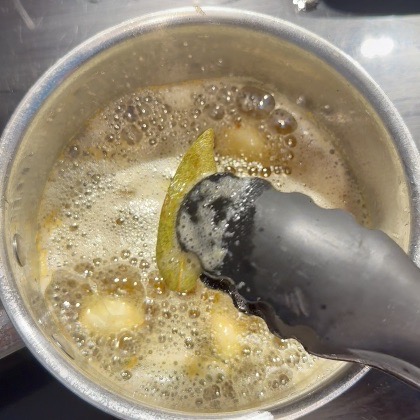
Once the butter begins to foam, add the sage leaves and a few whole garlic cloves.
Continue cooking until the sage is crisp, the garlic has softened and the milk solids in the butter begin to turn golden brown. The butter should smell toasted and nutty.
Watch it carefully. Brown butter can go from golden to burnt very quickly. Remove the sage and garlic before they burn and make the butter bitter. Reserve the crisp sage leaves for garnishing the finished plates.
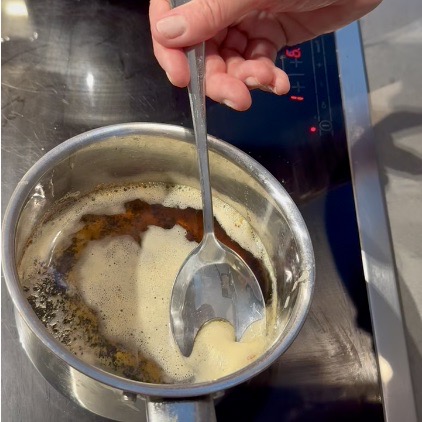
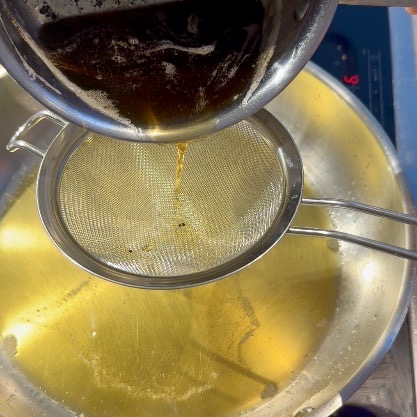
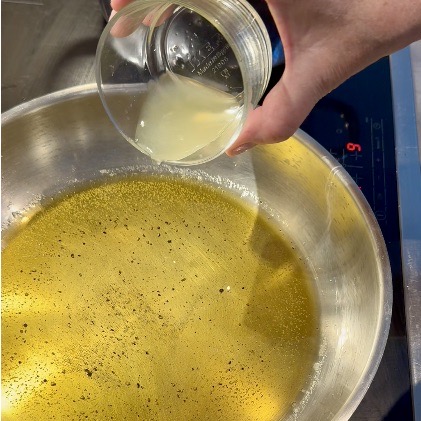
Skim the remaining foam from the surface of the butter, then strain the brown butter into a sauté pan to remove the browned milk solids and any other bits. Salt and pepper to taste and add a squeeze of fresh lemon juice. Keep the butter over low heat until the ravioli are ready.
Cook and Finish the Ravioli
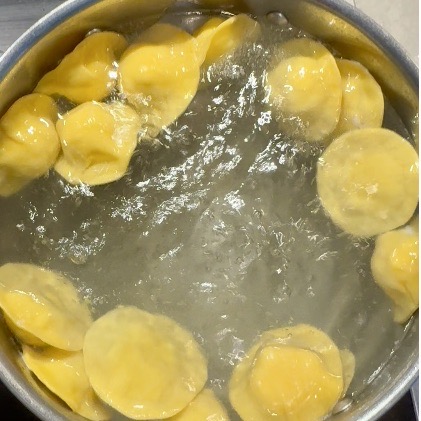
Bring a large pot of salted water to a boil and then reduce it to a gentle boil.
Add the ravioli without crowding the pot. Fresh ravioli cook quickly, while frozen ravioli will need a little longer. Remove one and check the pasta rather than relying only on the clock.
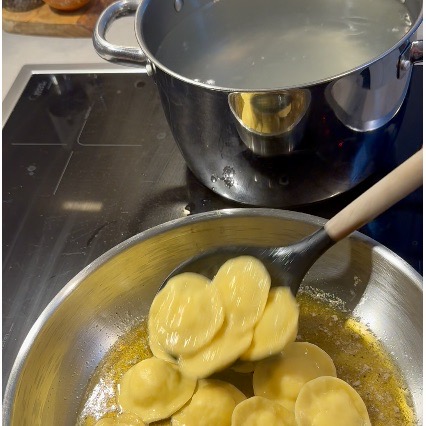
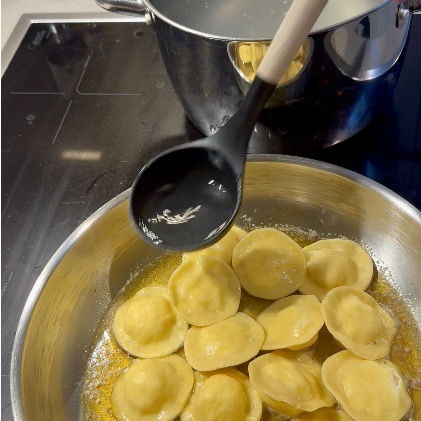
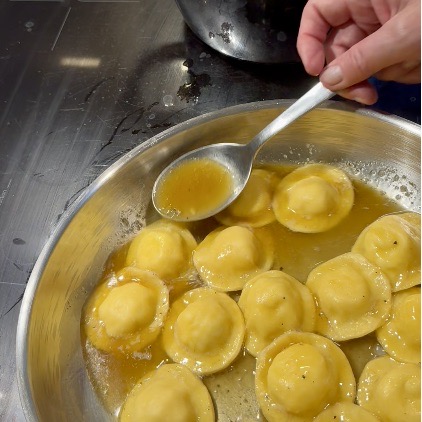
Transfer the cooked ravioli directly to a pan with the sage brown butter.
Add a small amount of pasta water and gently move the ravioli through the sauce until they are evenly coated. The pasta water helps the butter cling to the ravioli, but only a little is needed.
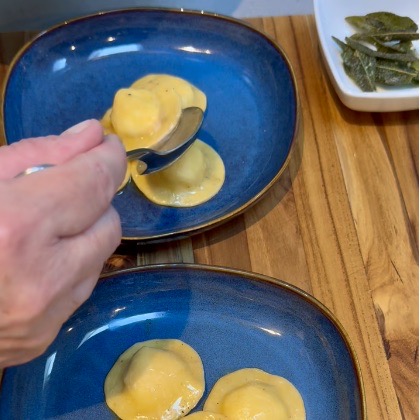
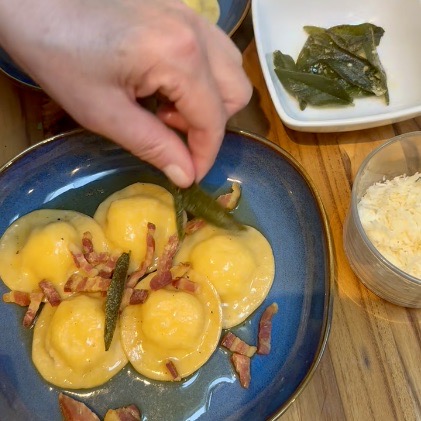
Plate the ravioli and spoon over a little more brown butter. Finish with the crispy pancetta, crisp sage leaves, freshly grated Parmesan and black pepper.
What to Look For
- The filling should hold its shape without feeling dry.
- The pasta should be thin and delicate but strong enough to hold the filling.
- Remove the air from around the filling before sealing the ravioli.
- Keep unused pasta sheets covered so they do not dry out.
- Cook the ravioli in gently boiling water rather than a vigorous rolling boil.
- Brown butter is ready when it smells nutty and the milk solids are golden brown.
- Add pasta water gradually. The sauce should lightly coat the ravioli without leaving them swimming in butter.
Make It Your Own
Once you understand the method, the filling can change according to what you have and what you enjoy.
Begin with a soft cheese such as ricotta and add other cheeses for flavour. You could add fresh herbs, lemon zest, roasted garlic, sautéed mushrooms or caramelized onions.
The sauce can change too. Replace the pancetta with toasted walnuts or hazelnuts. Use thyme or rosemary instead of sage. Serve the ravioli with a simple tomato sauce, a light cream sauce or good olive oil and Parmesan.
The important thing is balance. Start with a base, add stronger flavours gradually and stop when it tastes right to you.
That is how I cook most often. Not by measuring every ingredient, but by tasting, adjusting and paying attention to what is happening in the bowl or pan.
Notes from My Kitchen
- Drain the ricotta well so the filling does not make the pasta wet.
- Freshly grate the cheeses so they blend smoothly into the filling.
- Forming the filling into small portions before rolling the pasta makes assembly easier.
- Make one test ravioli before filling the entire sheet. This allows you to check the thickness of the pasta and the amount of filling.
- The rendered pancetta fat adds another layer of flavour to the brown butter.
- Remove the sage and garlic before they burn.
- Ravioli can be frozen in a single layer and cooked directly from frozen.
- This is a good pasta to prepare in stages. The dough and filling can be made one day and the ravioli assembled the next.
 Liz 'N Lux