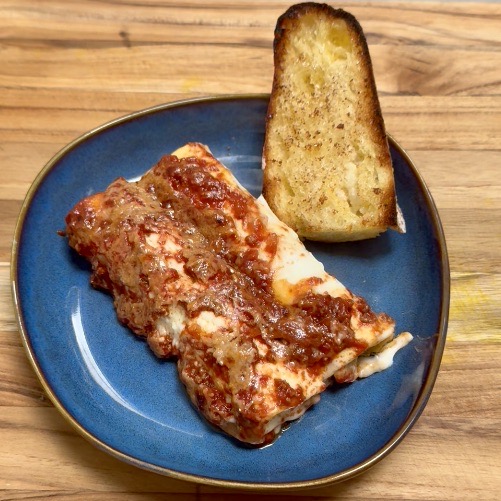
Fresh pasta filled with ricotta, spinach and cheese, layered with béchamel and a simple ragù made with homemade passata.
After making my first batch of passata, I wanted to use it in dishes where the fresh tomato flavour would still come through.
I divided one jar between two meals. A craving for a meatball sandwich took care of one half. With the other, I made cannelloni di magro al ragù.
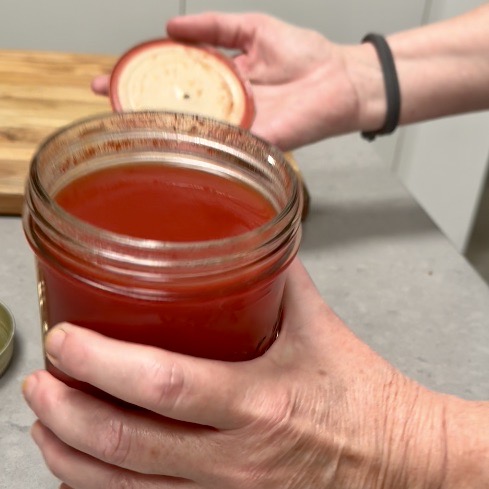
One jar of homemade passata became the starting point for two meals.
Cannelloni di magro is traditionally filled with ricotta and spinach. I paired it with a simple meat ragù, creamy béchamel and fresh pasta. There are several parts to prepare, but each one is straightforward and the finished dish is worth the effort. A dish like this can be prepared in stages over two days or assembled the day before.
Because the passata was naturally sweet and full of fresh tomato flavour, I kept the ragù simple. I did not want to cover it with too many herbs or seasonings. The result was a light, fresh tasting tomato sauce that complemented the rich filling and béchamel.
What I Used
For the Simple Ragù
Olive oil
Onion, finely chopped
Ground beef
Salt
Freshly ground black pepper
Homemade passata
For the Cannelloni Filling
About 300 g fresh whole milk ricotta
About 450 g fresh spinach
Freshly grated Parmesan
Shredded provolone
Freshly grated Pecorino
1 garlic clove, minced
1 egg
Salt and freshly ground black pepper
For the Béchamel
40 g unsalted butter
40 g all purpose flour
About 2 cups whole milk
Freshly grated nutmeg
Freshly grated Parmesan
Salt and freshly ground black pepper
For the Pasta and Assembly
Fresh pasta dough
Additional Parmesan for finishing
The Method
Make the Ragù
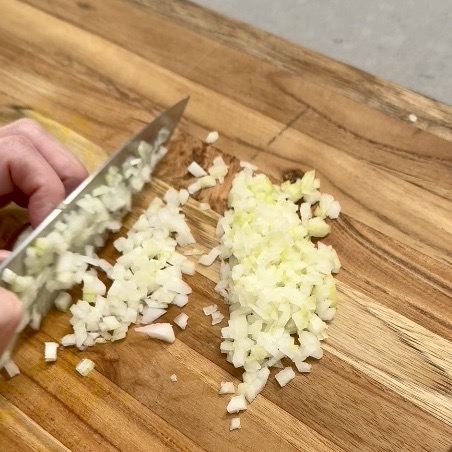
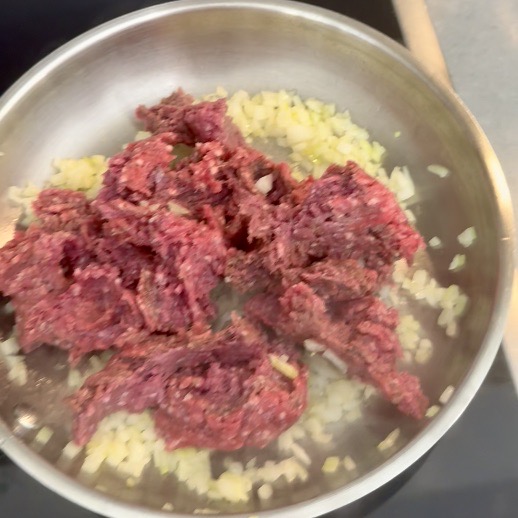
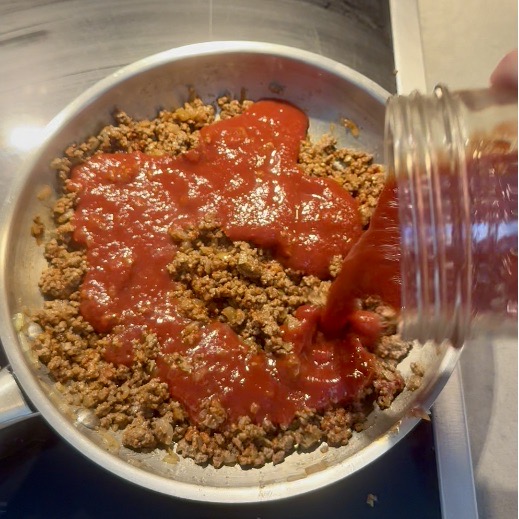
Heat a little olive oil in a pan over medium heat. Add the chopped onion and sauté until it begins to soften.
Add the ground beef and season lightly with salt and pepper. Break up the meat and cook until it is evenly browned.
Pour in the passata and stir everything together. Allow the ragù to simmer gently for about 15 minutes so the flavours can come together.
Taste and adjust the seasoning if necessary. I kept mine simple because I wanted the sweetness and fresh tomato flavour of the homemade passata to stand out.
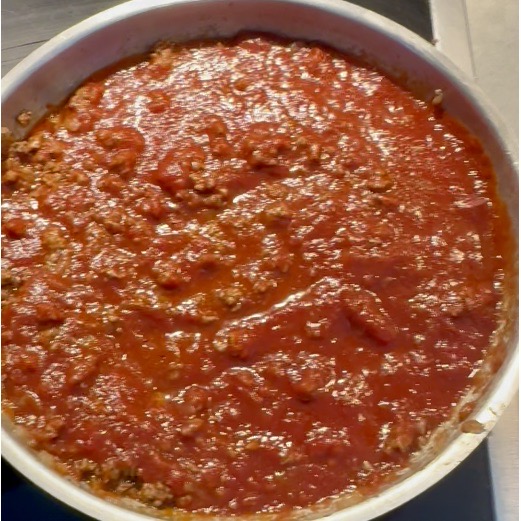
Set the ragù aside while you prepare the remaining components.
Prepare the Filling
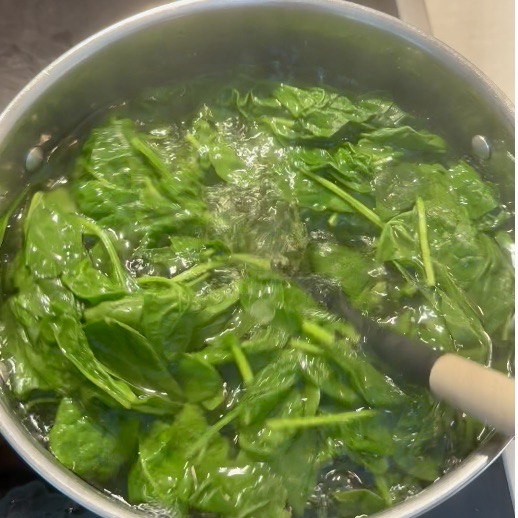
Blanch the spinach in boiling water just until it wilts. Drain it well and allow it to cool.
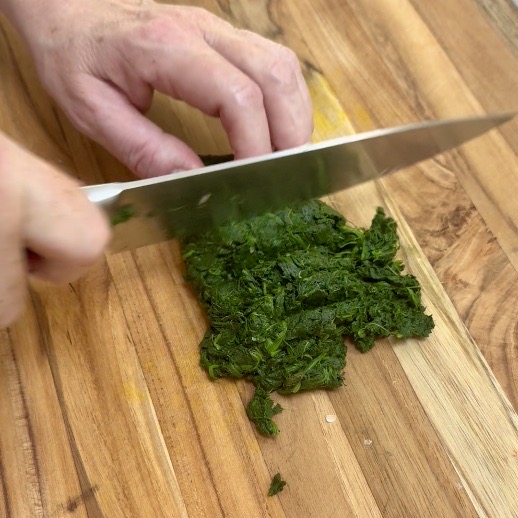
Squeeze out as much water as possible. This is important because excess moisture can make the cannelloni filling watery. Chop the drained spinach.
Place the ricotta in a clean cloth or several layers of paper towel and gently squeeze out any excess liquid.
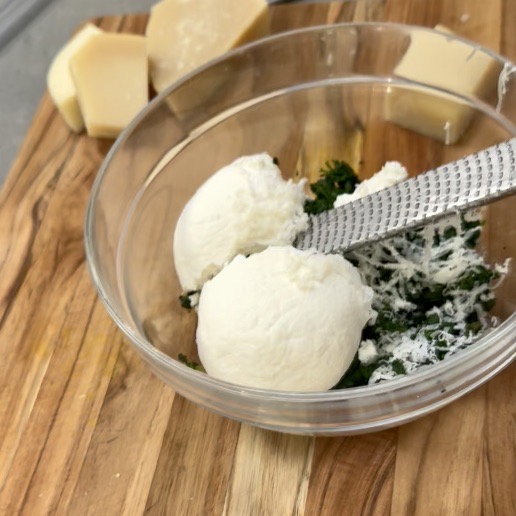
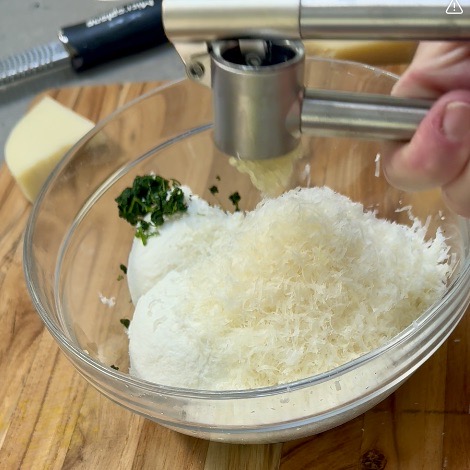
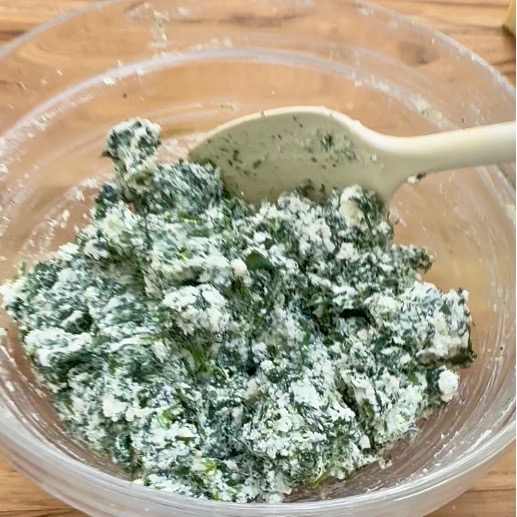
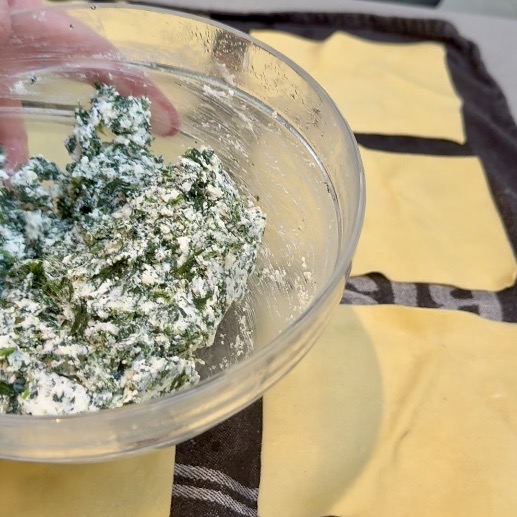
Combine the ricotta and spinach in a bowl. Add the Parmesan, provolone, Pecorino and minced garlic.
Season lightly with salt and pepper. The cheeses already add salt and plenty of flavour, so taste the mixture before adding too much additional seasoning.
Add the egg and mix until the spinach, cheeses and egg are evenly distributed throughout the ricotta.
Make and Form the Pasta
Prepare the fresh pasta dough and roll it into thin sheets. Do not hesitate to use store bought pasta sheets or dried cannelloni tubes. They work just as well.
If using fresh pasta, cut the sheets into rectangles just under 4 by 5 inches, or approximately 10 by 12 centimetres. They do not have to be perfectly identical, but they should be large enough to wrap comfortably around the filling.
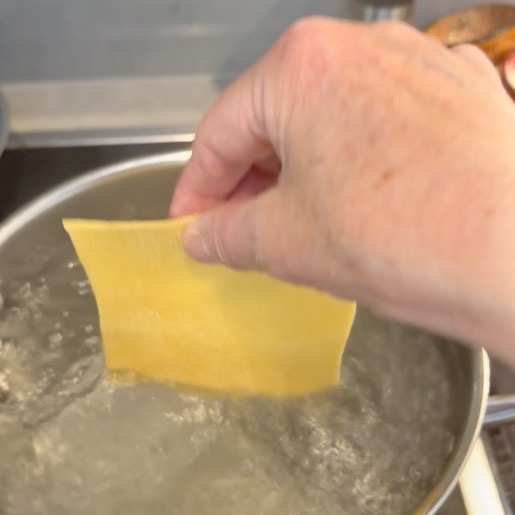
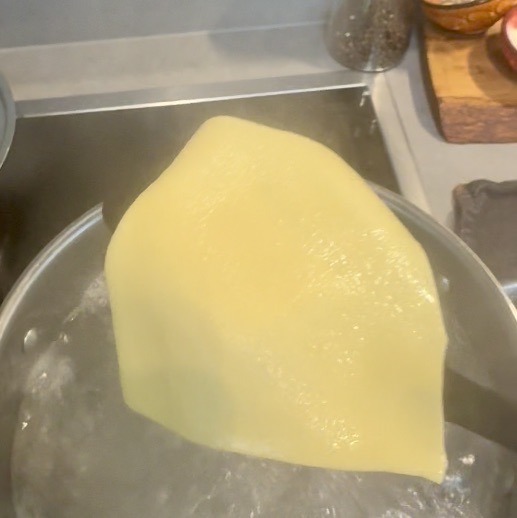
Bring a large pot of salted water to a gentle boil. Blanch the pasta sheets briefly, as you would when preparing fresh pasta for lasagna. This should take about 30 to 60 seconds, depending on the thickness of the pasta.
Remove the sheets from the water and lay them flat on a clean kitchen towel.
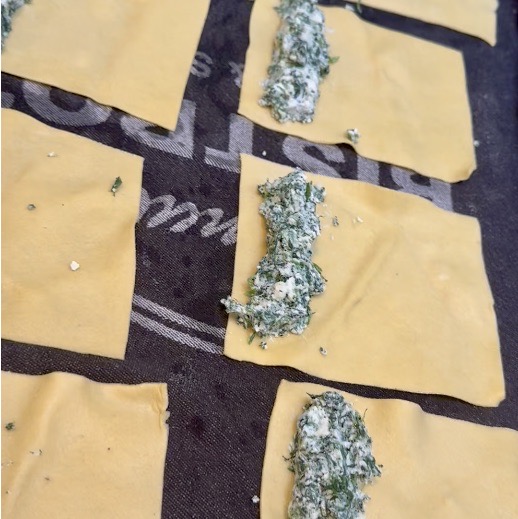
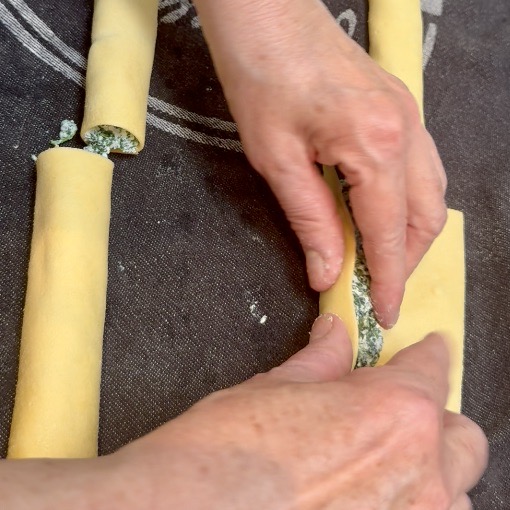
Place some of the ricotta and spinach filling along one short end of each rectangle. Roll the pasta around the filling to form the cannelloni.
Do not overfill them. The pasta should wrap securely around the filling without splitting or forcing the mixture out of the ends.
If using dried cannelloni tubes, fill and prepare them according to the package instructions.
Make the Béchamel
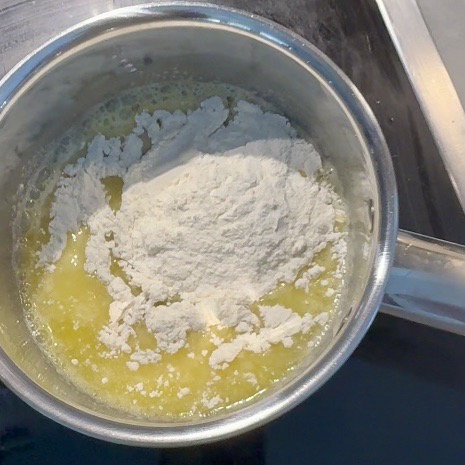
Melt the butter in a saucepan over medium heat.
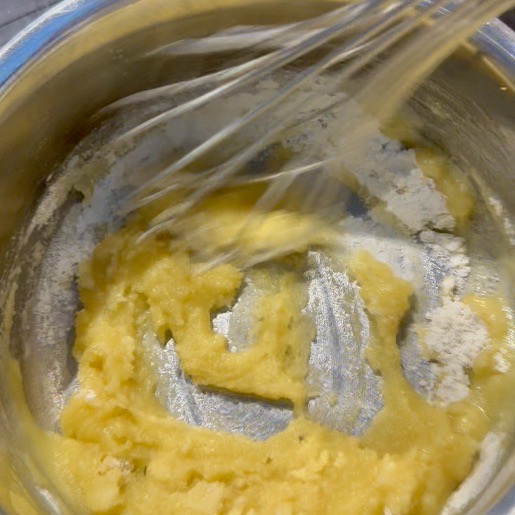
Add the flour and whisk continuously until it is completely incorporated into the butter. Continue cooking until the mixture is smooth, begins to take on a light golden colour and no longer smells like raw flour.
Using an equal weight of butter and flour gives you a reliable base for a smooth béchamel.
Slowly add the milk while whisking to prevent lumps from forming.
Season with freshly grated nutmeg, Parmesan, salt and pepper. Continue cooking over medium to low heat, stirring regularly, until the béchamel thickens.
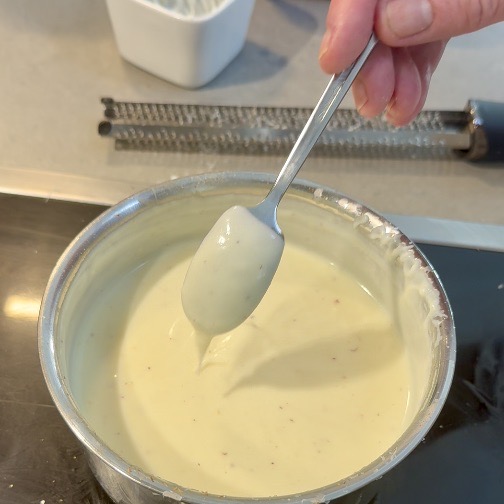
For this dish, I wanted a fairly thick béchamel. It should coat the back of a spoon more heavily than a typical pouring sauce, while still being soft enough to spread over the cannelloni.
If it becomes too thick, whisk in a small amount of additional milk until it reaches the consistency you want.
If you are not using the béchamel immediately, stir it occasionally while it sits to prevent a skin from forming.
To prepare it a day in advance, transfer the béchamel to a container and press plastic wrap directly against the entire surface of the sauce before refrigerating it. This prevents air from reaching the surface and forming a skin, which can break into pieces and create lumps when stirred back into the sauce.
When you are ready to use it, reheat the béchamel gently while whisking. If it has become too thick, add a small amount of milk until it returns to the desired consistency.
Assemble the Cannelloni
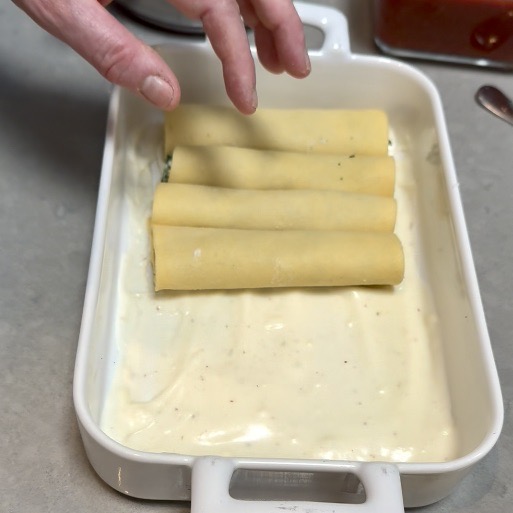
Heat the oven to 200°C.
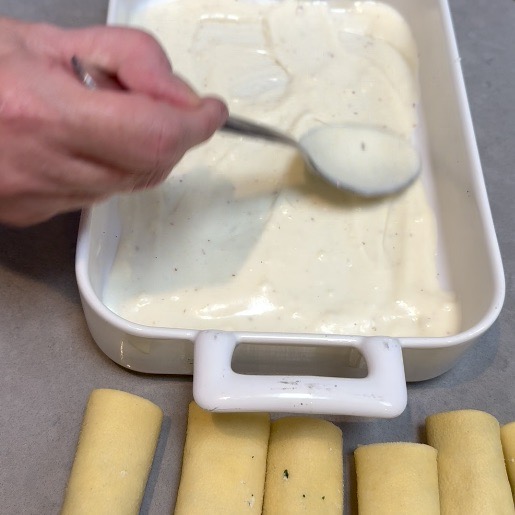
Spread a layer of béchamel across the bottom of a casserole dish.
Arrange the filled cannelloni over the béchamel with the seams facing down. Place them close together in a single layer.
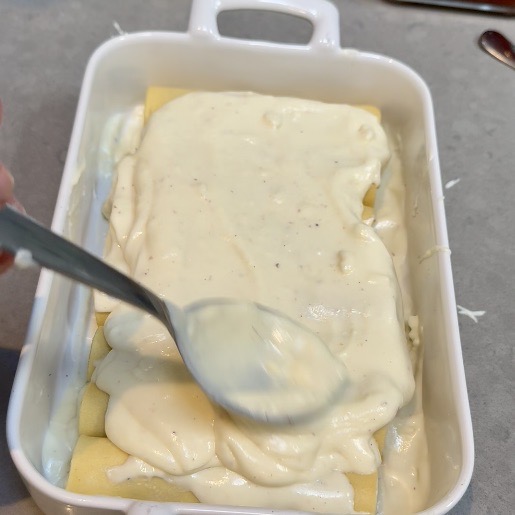
Cover the pasta completely with the remaining béchamel.
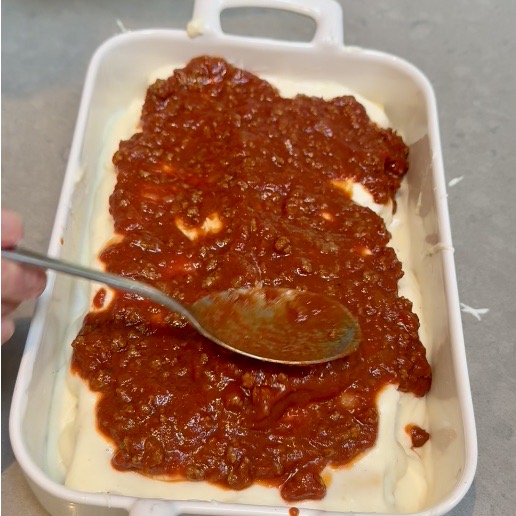
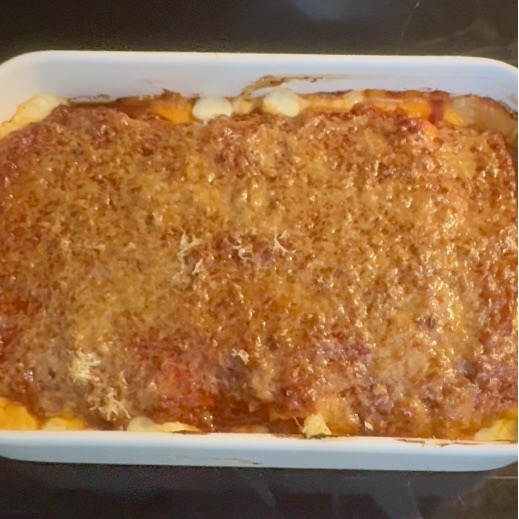
Spoon the ragù over the top and spread it evenly.
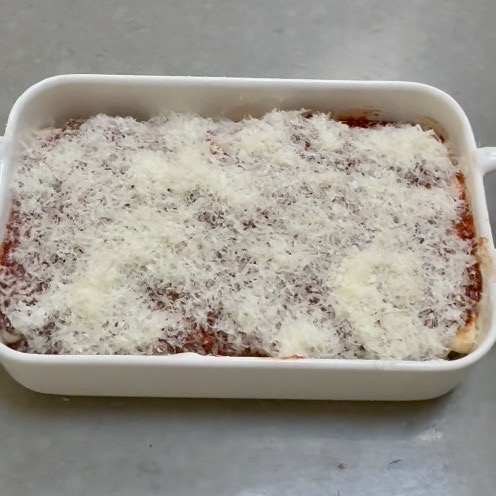
Finish with a generous sprinkling of freshly grated Parmesan.
Bake for approximately 30 minutes, until the sauces are bubbling and the top is lightly golden.
Remove the dish from the oven and let it rest for about 10 minutes before serving. This allows the sauces and filling to settle, making the cannelloni easier to portion and serve.
What to Look For
- Squeeze the ricotta and spinach thoroughly so the filling is not watery.
- Roll the pasta thinly enough to remain delicate, but not so thin that it tears around the filling.
- Keep the ragù simple if you are using a particularly flavorful passata.
- Cook the butter and flour until the raw flour smell disappears before adding the milk.
- Add the milk gradually and whisk well to keep the béchamel smooth.
- Make the béchamel thick enough to coat the cannelloni without becoming stiff or pasty.
- Press plastic wrap directly against the surface of béchamel when storing it to prevent a skin from forming.
- Let the finished dish rest before cutting into it.
Make It Your Own
This is the kind of dish that can change according to what you have available.
You can adjust the balance of Parmesan, provolone and Pecorino in the filling or use another good melting cheese. Just remember to taste before adding the egg and before adding too much salt, particularly when using several aged cheeses.
For a completely meatless version, leave out the ragù and use a simple tomato sauce made with passata.
If you do not want to make fresh pasta, dried cannelloni tubes can be used. Prepare and fill them according to the package instructions, making sure there is enough sauce to help the pasta cook evenly.
You can also prepare the different components in advance. The ragù, filling and béchamel can be made separately, or the entire dish can be assembled, refrigerated and baked the following day.
Notes from My Kitchen
- Using my homemade passata made this dish feel particularly satisfying. I had started with fresh tomatoes, cooked and preserved them, and then used the finished passata as the foundation for another meal.
- Keeping the ragù simple was the right decision. The tomato remained fresh and naturally sweet on the palate instead of disappearing beneath too many additional flavours.
- The ricotta and spinach filling, creamy béchamel and fresh pasta made the dish comforting and rich, while the brightness of the passata kept it from feeling too heavy.
- One jar of a good kitchen staple can become the starting point for several completely different meals.

